

Maddy summaryThis resolution, titled the "No Fame for Fraud Resolution," would amend House rules to prevent members of Congress (including delegates and resident commissioners) who face an indictment for financial or campaign finance fraud from receiving payment for biographies, media appearances, or creative works. It specifically targets offenses like violations of campaign finance laws (under the Federal Election Campaign Act) or certain financial crimes covered under federal employee ethics rules. The rule change would apply only to compensation from these non-legislative activities, not a member's regular salary. This policy directly affects members under indictment for the specified fraud-related charges, restricting their ability to profit from public-facing projects during such legal proceedings.
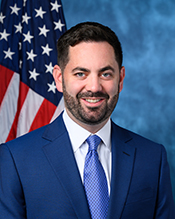
Rep. Michael Lawler
Sponsored bills
Maddy summaryHR 1392 extends the National Flood Insurance Program (NFIP) through December 31, 2024, by updating its funding and expiration dates. This directly affects homeowners and property owners in flood-prone areas who rely on NFIP policies for coverage. The bill amends two key provisions of the 1968 law to push the program’s end date from 2022 to 2024, ensuring continued access to federally backed flood insurance. It does not change coverage terms or costs but maintains the existing program structure. The extension applies to all current NFIP policyholders and properties enrolled in the program.
Maddy summaryThis bill amends U.S. financial sanctions law to require the Treasury Secretary to specifically consider whether foreign banks knowingly provide banking services (including personal accounts) to entities designated under the Taylor Force Act, which targets groups that murder U.S. citizens. It directs Treasury to designate as "of primary money laundering concern" foreign banks that facilitate terrorism payments, particularly those using U.S. correspondent accounts. The law adds two new factors for Treasury to evaluate: (1) whether a bank knowingly serves entities listed in the Taylor Force Act regulations, and (2) whether the bank’s accounts or transactions help fund acts of terrorism. This directly affects foreign financial institutions operating in the U.S. financial system that may inadvertently or intentionally support terrorist organizations.
Maddy summaryHR 1405, the IMPACTT Human Trafficking Act, establishes two programs within U.S. Immigration and Customs Enforcement's Homeland Security Investigations (HSI). The IMPACTT Program provides trauma support training for HSI staff working with trafficking victims, focusing on recognizing burnout and stress, self-care resources, and supervisor training. The Victim Assistance Program mandates specific staffing (including forensic interview specialists and victim assistance specialists) at HSI offices and task forces to deliver victim-centered, trauma-informed support, including emergency aid like food, shelter, and transportation. The bill requires annual reports to Congress on training participation and victims assisted, aiming to improve both staff well-being and victim support services.
Maddy summaryHR 1424 extends higher federal reimbursement rates for school breakfasts, lunches, and child care meals through the 2023-2024 school year, directly affecting public schools and child care providers participating in federal meal programs. The bill modifies the Keep Kids Fed Act of 2022 to maintain current funding levels beyond the original 2022-2023 period. It also requires the USDA to research and implement recommendations from a study on reducing administrative burdens, including creating a single online resource for meal program guidance and developing plans to simplify eligibility applications using unified forms or census data. These changes aim to streamline operations for schools and child care institutions managing federal meal programs.
Maddy summaryThe TABS Act of 2023 would rename the Consumer Financial Protection Bureau (CFPB) to the Consumer Financial Empowerment Agency (CFEA) throughout U.S. federal law. This bill would change the agency's name in the Consumer Financial Protection Act of 2010 and over 25 other federal statutes, including the Dodd-Frank Act and Truth in Lending Act. The bill does not alter the agency's responsibilities, authority, or budget structure - only its name. This is a procedural change affecting all federal documents, regulations, and references to the agency.
Maddy summaryHR 1388 authorizes the minting of commemorative coins to honor the 1865 Sultana steamboat disaster, the deadliest maritime tragedy in U.S. history. It specifies three coin types ($5 gold, $1 silver, and half-dollar) with defined weights and compositions, to be sold at face value plus surcharges ($35, $10, and $5 per coin, respectively). All surcharges collected will fund the Sultana Historical Preservation Society for museum development, including exhibits, artifact preservation, and facility construction. The coins are legal tender but intended for collectors, with sales limited to a one-year period starting January 2023.
Sergeant Gary Beikirch Medal of Honor Act This bill allows a surviving spouse of a Medal of Honor recipient to receive a special pension concurrently with dependency and indemnity compensation.
American Patriots of WWII through Service with the Canadian and British Armed Forces Gold Medal Act of 2023 This bill provides for the award of a single Congressional Gold Medal to all U.S. nationals who voluntarily joined the Canadian and British Armed Forces and their supporting entities during World War II in recognition of their dedicated service.
Maddy summaryThis bill requires the Secretary of Energy to conduct a strategic review of the Northeast Petroleum Product Reserves (which include the Northeast Home Heating Oil Reserve and Northeast Gasoline Supply Reserve) within 180 days of enactment. The review must assess the reserves' current configuration, storage capabilities, and alignment with U.S. energy security goals, and propose an action plan to optimize their capacity, location, composition, and distribution. The resulting plan will outline steps to ensure these reserves meet future energy and economic security needs. The bill directly affects the Department of Energy's management of these existing reserves, not the public or private fuel markets.