

Maddy summaryHR 2757, the Puerto Rico Status Act, establishes a process for Puerto Rico to determine its political status through a plebiscite on November 2, 2025, offering three options: independence, sovereignty in free association with the United States, or statehood. If no option receives a majority in the initial vote, a runoff plebiscite would be held on March 8, 2026. The bill outlines transition processes for each option, including constitutional conventions, implementation steps, and provisions for citizenship, immigration, and economic benefits. It mandates bilingual voter education materials and requires oversight by the Elections Commission and the Attorney General to ensure fair representation of all options. This legislation directly affects Puerto Rico's residents by providing a structured process to choose their permanent political relationship with the United States.
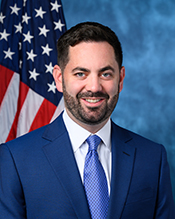
Rep. Michael Lawler
Sponsored bills
This resolution recognizes the need for education, research, and medical interventions to address infertility and disparities associated with that disease.
Maddy summaryHRES 339 is a non-binding House resolution expressing that an "all-of-the-above" energy strategy - including oil, gas, nuclear, coal, hydropower, and renewables - is the most viable approach to U.S. energy policy. It states this strategy would strengthen national security, lower consumer energy prices, and reduce reliance on foreign energy sources. The resolution highlights that domestic energy production supports infrastructure funding, job creation, and energy independence, while noting U.S. energy sources like Gulf of Mexico oil and nuclear power provide clean, reliable electricity. As a statement of congressional opinion, it does not create new laws or policy changes.
Maddy summaryHRES 333 is a symbolic House resolution supporting the designation of April as "National Donate Life Month" and expressing gratitude to Americans who have registered as organ and tissue donors. It does not create new laws or programs but encourages broader public awareness and registration by urging individuals to consider donation, recognizing donor families and living donors, and asking states to issue proclamations. The resolution directly affects all U.S. citizens by promoting organ donation awareness and thanking registered donors, while acknowledging the ongoing need for donors (with over 104,000 people on the national transplant waiting list as of 2023). It focuses on recognition and education, not policy changes.
SALT Fairness and Deficit Reduction Act This bill increases the limitation on the tax deduction for state and local taxes to $60,000 (the limit is currently $10,000 for individual taxpayers). The bill also requires an annual inflation adjustment to the increased amount beginning after 2023, and extends through 2032 the period during which the limitation is in effect.
Maddy summaryThis bill creates new federal crimes for killing or assaulting law enforcement officers and public safety personnel while they're on duty or because of their status as officers. It establishes mandatory minimum sentences of 10 years for murder of officers, with higher penalties for assaults causing serious injury or using deadly weapons. The bill also creates a new offense for fleeing to avoid prosecution for killing officers and limits federal habeas corpus relief for those convicted of killing officers. Additionally, it expands law enforcement officers' authority to carry firearms in certain locations. The bill directly affects law enforcement officers, public safety personnel, and individuals who commit violent acts against them.
Helping Our Heroes Act This bill allows a charitable tax deduction for the service of bona fide volunteer firefighters and emergency medical and rescue personnel. The amount of the deduction is $20 for each hour of service provided by such personnel, limited to 300 hours with respect to any individual in a taxable year. The deduction is available to taxpayers who do not otherwise itemize their deductions.
Maddy summaryHR 3106, the Preventing Deepfakes of Intimate Images Act, creates a legal right for individuals whose realistic digital manipulations of intimate images (such as uncovered genitals, bodily fluids, or sexually explicit conduct) are disclosed without consent. It allows victims to sue for civil damages, including up to $150,000 in liquidated damages, actual harm, or punitive penalties, and seek court orders to stop further disclosure. The bill specifically protects identifiable individuals (not just public figures) and covers images created or altered using digital manipulation, excluding cases involving law enforcement, public interest, or good-faith disclosures. Criminal penalties up to 10 years may apply for malicious disclosure with intent to harass or cause harm. This directly affects anyone whose intimate images are deepfaked without permission, providing new legal recourse against perpetrators.
Maddy summaryThis bill removes a restriction that previously barred people in jail or prison while awaiting trial from receiving Medicaid health benefits. It directly affects individuals in custody pending legal proceedings by allowing states to provide Medicaid coverage for their medical care during this time. The bill also allocates $50 million in planning grants to help states develop systems to enroll these individuals, recruit healthcare providers who can serve them, and establish electronic billing for services provided in correctional facilities or through outpatient care. Key provisions require states to assess healthcare needs, eliminate policy barriers, and create plans to increase provider participation in Medicaid for this population.
Maddy summaryThis bill creates federal grants for school districts to provide emergency opioid overdose treatment (like naloxone) in public and private elementary and secondary schools. It requires schools to have trained staff (such as nurses or designated personnel), maintain accessible supplies of the medication, and confirm their state has liability protections for staff using it during an emergency. The law directly affects K-12 schools by mandating specific emergency protocols for opioid overdoses. It does not change state laws but requires schools to verify existing state protections before receiving funds.