

Maddy summaryThis bill, the Communications, Video, and Technology Accessibility Act of 2026, aims to significantly enhance accessibility for individuals with disabilities across various communication and video services and related equipment. It expands requirements for closed captioning and audio description to include online video programming and consumer-generated media, and mandates that sign language interpretation be consistently visible on screen when provided. The bill also requires video playback devices to have easily accessible accessibility features and mandates that video conferencing services and customer support offer features like voice recognition, visual interpretation, and direct video calling for sign language users. Additionally, it strengthens telecommunications relay services for DeafBlind individuals and sign language users, increases funding for equipment distribution for the DeafBlind, and directs the FCC to assess and regulate the accessibility of emerging technologies.
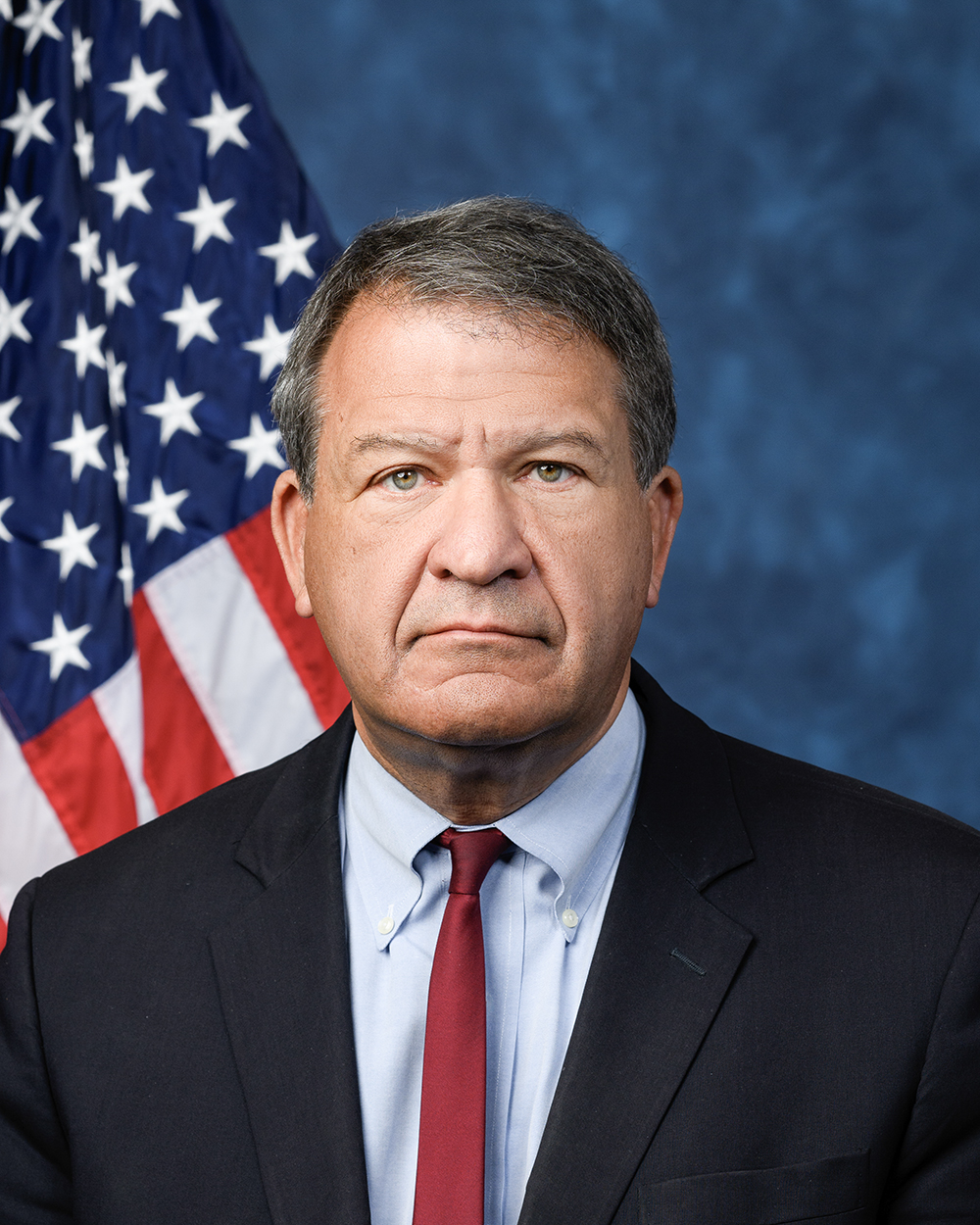
Rep. George Latimer
Sponsored bills
Maddy summaryThe Tech to Save Moms Act aims to improve maternal health outcomes for pregnant and postpartum individuals by increasing access to technology-enabled care. It allows states to adopt and use telehealth tools under Medicaid for screening, monitoring, and managing health complications during pregnancy and up to one year postpartum. The bill also establishes two grant programs: one to fund technology-enabled collaborative learning models for training maternal healthcare providers, especially in underserved areas, and another to increase access to digital tools that reduce maternal health disparities. Finally, it directs the National Academies to study the use of technology and patient monitoring devices in maternity care, focusing on racial and ethnic biases.
Maddy summaryThe Supporting VA Families Act grants unpaid parental leave to Department of Veterans Affairs employees. This provision allows employees to take four weeks of unpaid leave within a 12-month period for the birth of a child or for adoption and foster care placements. The leave is designed to supplement existing leave policies rather than replace them, ensuring employees can balance family needs with their work responsibilities. The act defines eligible employees and children according to existing federal definitions found in Title 5 of the United States Code.
Maddy summaryThis bill seeks to block a specific rule issued by the Department of Education that affects the William D. Ford Federal Direct Loan Program. If passed, it would prevent the rule from taking effect, meaning the proposed changes to federal student loans would not be implemented. The measure uses a legislative process known as a joint resolution of disapproval to override agency regulations. It directly impacts students, families, and institutions that rely on federal student loans by stopping the Department of Education from enforcing the new policy.
Maddy summaryThe Power for the People Act of 2026 requires the Federal Energy Regulatory Commission to create a special approval process for data centers, which are defined as facilities using more than 50 megawatts of electricity. Under this system, data centers must offset their energy consumption by bringing their own clean power sources to the grid or agreeing to flexible power usage that can be reduced when needed. The bill also directs states to establish separate electricity rates for data centers so these facilities pay their full share of grid upgrade costs rather than spreading those expenses across all customers. Additionally, the legislation mandates that data center construction use prevailing wages and registered apprenticeship programs, while requiring greater transparency in how data center energy demands are forecasted and approved.
Maddy summaryThe NOPE Act prohibits the sale and delivery of Iranian crude oil and petroleum products by canceling a specific Treasury license and restricting future transactions related to such exports. It requires the President to impose sanctions on Iranian individuals and entities involved in oil extraction, refining, or maritime transportation of petroleum products, including blocking their U.S. assets and revoking their visas. The bill includes exceptions for humanitarian aid, UN-related activities, and national security operations, while also mandating regular reports to Congress on the impact of these restrictions on Iranian oil exports and revenues.
Maddy summaryThis bill directs the Secretary of Agriculture to create a pilot grant program that funds Food is Medicine initiatives, which connect community organizations with healthcare providers to help people manage diet-related diseases through nutrition-focused services. The program would provide grants for activities such as medically tailored grocery deliveries, cooking classes, and emergency food operations, with priority given to projects using local foods and involving nutrition professionals. Funding of up to $20 million is authorized for fiscal years 2027 through 2031, and the Secretary must submit reports to Congress on how the program affects participant health outcomes and system costs.
Maddy summaryThis bill updates federal law to prohibit excluding military members from assignments or career fields based on their gender, affecting all branches of the U.S. Armed Forces. It requires the Secretary of Defense to submit annual reports detailing changes to occupational standards and data on involuntary reclassifications or separations, broken down by military job and gender. The legislation also modernizes how the military evaluates job requirements, mandating that standards be based on scientifically rigorous assessments of technical, tactical, cognitive, and physical abilities rather than gender. Additionally, it directs the Secretary of Defense to submit a full review of ground combat unit effectiveness to Congress and requires an independent audit of that review within 180 days.
Maddy summaryThe Maternal Vaccination Act amends the Public Health Service Act to expand a federal campaign focused on increasing vaccination rates among pregnant and postpartum individuals and their children. This legislation directly affects public health programs by updating language to explicitly include these populations and directing funding toward outreach efforts that address disparities among racial and ethnic minority groups. Key provisions modify existing sections of the Public Health Service Act to broaden the campaign's scope and increase the authorized funding amount from $15 million to $17 million per fiscal year for the period 2027 through 2031. The bill aims to improve vaccination equity by ensuring federal resources specifically target maternal and pediatric immunization efforts.
Maddy summaryThe "Same-Day Paratransit Innovation Act" aims to expand and modernize paratransit services for individuals with disabilities. It directly affects public transit agencies by increasing the federal share of funding available for both capital projects and operating costs related to providing same-day paratransit services. Specifically, federal grants for capital costs would increase to 90%, and operating assistance could go up to 70% or 80%, depending on compliance with new standards and staffing models. The bill also mandates the Federal Transit Administration to establish minimum standards for paratransit software and technology within one year, covering areas like accessibility, cybersecurity, and the integration of multiple transportation providers. After these standards are published, transit agencies using federal funds will be required to procure software that meets these new requirements, ensuring improved service and technological capabilities for riders.