

Maddy summaryThe National Infrastructure Bank Act of 2025 would establish a government-owned bank to finance infrastructure projects across the United States, aiming to address a $3.69 trillion financing gap identified by the American Society of Civil Engineers. The bank would provide loans up to $5 trillion for transportation, energy, environmental, and community development projects, with specific criteria focused on economic growth, environmental benefits, and serving disadvantaged communities. It would be governed by a 25-member Board of Directors with diverse regional and expertise qualifications, and would operate with tax exemptions and capital requirements to ensure financial stability. The bill also establishes regional economic accelerator planning groups to coordinate infrastructure development and create a pipeline of projects for the bank to finance.
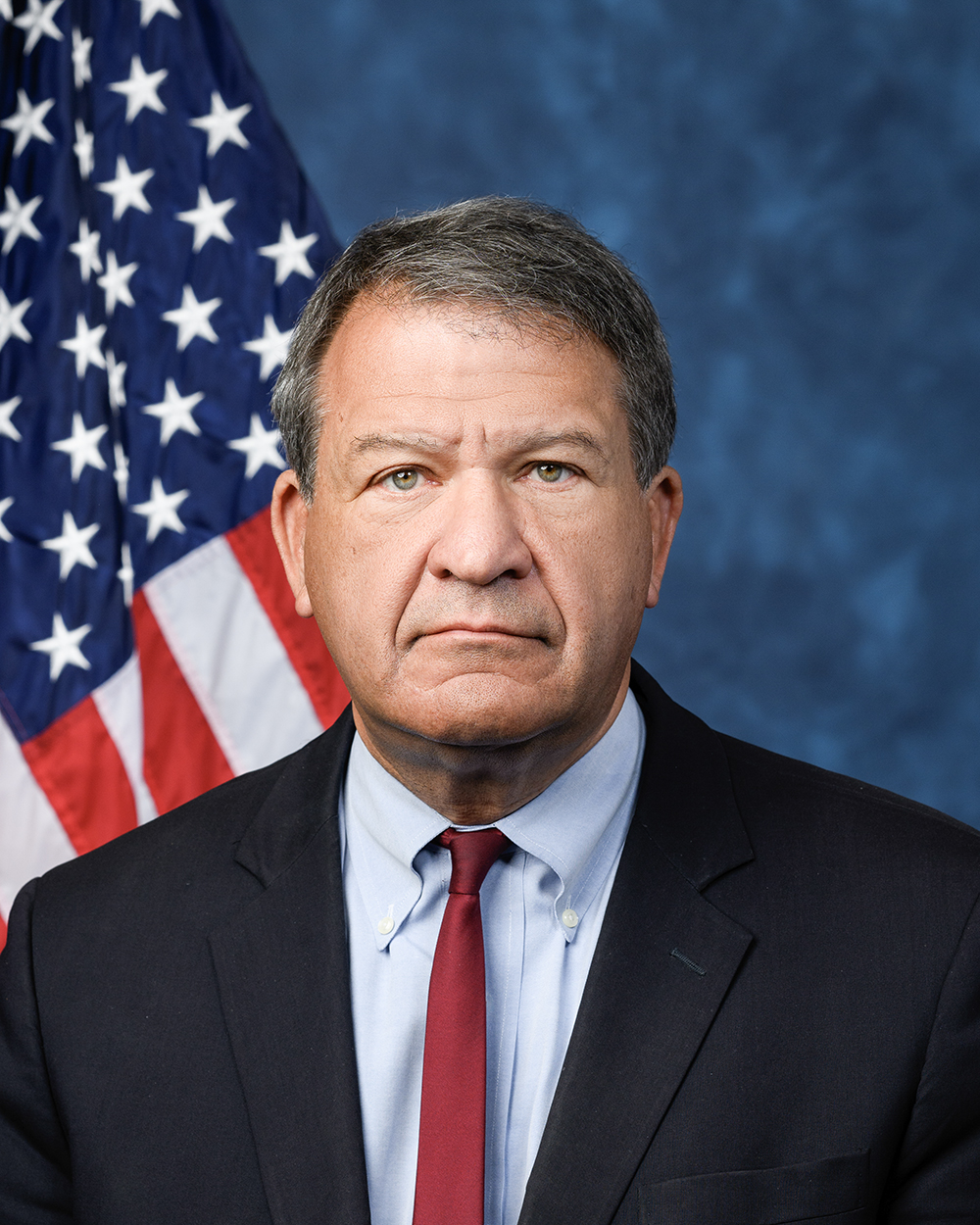
Rep. George Latimer
Sponsored bills
Maddy summaryHR 5357, the College Students Continuation of Mental Health Care Act of 2025, allows college mental health providers to offer telehealth services to enrolled or recently attending students across state lines. It directly affects college mental health providers (employed by institutions of higher education) and students registered at or who attended the college within the past three months. Key provisions require providers to verify student identity, obtain consent for telehealth, maintain backup communication methods, and respect state prohibitions on specific services while operating under their home state’s licensing rules. The bill also clarifies that malpractice insurance covers these telehealth services as if provided in the provider’s home state and permits states to form compacts to facilitate cross-state telehealth.
Maddy summaryThis bill would establish September 11 as a permanent legal public holiday for federal employees and agencies. It amends Title 5 of the U.S. Code to add "September 11 Day of Remembrance" to the list of designated federal holidays, following Labor Day. The change would require federal offices to close on September 11 each year, directly affecting federal workers and government operations.
Maddy summaryHR 5309, the Congressional Tribute to Constance Baker Motley Act of 2025, authorizes a posthumous Congressional gold medal for Constance Baker Motley, a pioneering civil rights attorney and judge. The bill directs the Treasury Secretary to strike the medal with her image and name, to be presented to her son, Joel W. Motley III, and her niece, Constance Royster. It also permits the sale of bronze duplicates at cost to cover expenses, with proceeds going to the U.S. Mint fund. This is a commemorative measure with no substantive policy changes, honoring Motley’s legacy as the first African-American woman appointed to a federal judgeship.
Maddy summaryThe 9/11 Immigrant Worker Freedom Act creates a pathway for certain immigrants who worked or volunteered in the immediate aftermath of the September 11, 2001, attacks to adjust to lawful permanent resident status. It covers individuals who provided rescue, recovery, or cleanup services at the World Trade Center site (lower Manhattan, Staten Island, or barge piers), the Pentagon, or the Shanksville, Pennsylvania, crash site for specified hours during defined periods, as well as vehicle-maintenance workers exposed to debris. Key provisions include work authorization during the application process, fee waivers for low-income applicants (at or below 250% of the federal poverty level), and strict confidentiality to prevent immigration enforcement actions based on application information. Approved status does not reduce the overall number of available immigrant visas.
Maddy summaryThe LINE Act (HR 5319) prohibits the Centers for Medicare and Medicaid Services (CMS) and the Department of Health and Human Services (HHS) from sharing Medicaid health data with U.S. Immigration and Customs Enforcement (ICE). Specifically, it blocks the disclosure of individually identifiable health information from Medicaid enrollment records (under Title XIX of the Social Security Act) to ICE for immigration enforcement purposes. This directly affects Medicaid enrollees, particularly those who may be immigrants, by preventing their health data from being used in immigration proceedings. The law creates a clear barrier between Medicaid health records and immigration enforcement efforts.
Maddy summaryHR 5340 prohibits the U.S. Department of Housing and Urban Development (HUD) and public housing agencies from sharing tenant records with immigration authorities for immigration enforcement purposes. It directly affects all HUD housing program participants (including renters and applicants, regardless of immigration status) by requiring HUD to obtain written consent or a language-proficient request from the individual before disclosing their records. Key provisions include banning disclosure without consent, preventing HUD from forcing public housing agencies to share records, and mandating a 90-day compliance report to Congress detailing record security and past sharing practices. The bill aims to protect housing privacy by ensuring immigration enforcement cannot access sensitive tenant information held by HUD without explicit individual authorization.
Maddy summaryThis bill directs the U.S. President to identify Pakistani officials responsible for undermining democracy and human rights within 180 days of enactment, then impose Global Magnitsky sanctions on them. It targets senior government, military, or security officials found to have committed gross human rights violations or interfered with democratic processes, such as during Pakistan’s 2024 elections or through constitutional changes. Sanctions would include asset freezes and travel bans, with exceptions for humanitarian aid, UN obligations, and national security activities. The bill expires on September 30, 2030, and aims to pressure Pakistan to uphold democratic norms, human rights, and judicial independence.
Maddy summaryThis bill modifies the Family and Medical Leave Act (FMLA) to extend eligibility to school support staff, including paraprofessionals, cafeteria workers, bus drivers, and clerical staff. It allows these employees to qualify for FMLA leave if they work 60% of their expected monthly hours (instead of the standard 1,250 hours), based on their school’s assigned schedule. Employers must maintain records of expected hours for each staff member. The change directly benefits part-time and seasonal education support staff who previously faced barriers to FMLA coverage.
Maddy summaryThis bill requires most health insurance plans to cover HIV prevention services - including PrEP and PEP drugs, related lab tests, counseling, and monitoring - without cost-sharing (like copays or deductibles) or prior approval. It applies to private insurance, Medicare, Medicaid/CHIP, and federal employee health plans, directly affecting people who use HIV prevention medications. Key provisions mandate 100% coverage for FDA-approved HIV prevention drugs, eliminate cost-sharing for these services, and prohibit insurers from requiring preauthorization for them. The bill defines covered services to include all necessary components of HIV prevention care as outlined in current public health guidelines.