

Investing in Safer Traffic Stops Act of 2023 This bill directs the Department of Justice to establish a grant program for state, local, or tribal government entities to ensure that the enforcement of traffic violations is carried out by a civilian or traffic monitoring technology instead of a law enforcement officer.
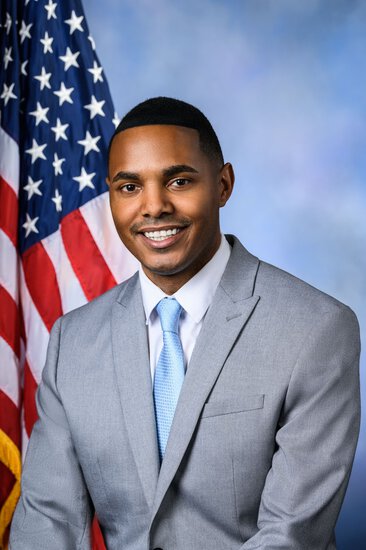
Rep. Ritchie Torres
Sponsored bills
This bill directs the Bureau of Justice Assistance within the Department of Justice to study the efficacy of extreme risk protection orders on reducing gun violence.
Maddy summaryHR 849 requires the Department of Defense to share trauma-injury response best practices and provide specialized training to state and local first responders (such as police, EMTs, and firefighters). This directly affects frontline personnel who assist victims of traumatic incidents like accidents or violent events. The key provision mandates the DoD to develop and deliver this training, focusing on improving how responders aid trauma victims. The bill aims to standardize care through federal guidance without altering existing state or local protocols.
Iron Pipeline Review Act This bill requires the Bureau of Alcohol, Tobacco, Firearms and Explosives to report to Congress on firearms trafficked along Interstate 95. The report must include an analysis of the firearms trafficked and contain legislative proposals to counter the firearms trafficking.
Federal Police Camera and Accountability Act This bill establishes requirements for federal law enforcement officers to wear body cameras and for federal law enforcement agencies to install video cameras in patrol cars.
Maddy summaryThe Better Care Better Jobs Act (HR 547) aims to improve access to home and community-based services (HCBS) for Medicaid beneficiaries by providing states with planning grants and enhanced federal funding. States that develop approved HCBS infrastructure improvement plans will receive a 10 percentage point increase in federal Medicaid funding for HCBS services, with additional incentives for self-directed care programs. The bill requires states to address barriers to access, expand workforce development, improve payment rates for direct care workers, and track demographic data on service utilization. It also establishes quality measurement requirements and mandates regular reporting on progress toward improving HCBS access and quality.
This resolution states that the House of Representatives (1) rejects hate, discrimination, and antisemitism; (2) stands united with the Jewish people against rising antisemitism; and (3) condemns antisemitic tropes such as claims of dual loyalty.
Maddy summaryHR 765, the African American History Act, authorizes $2 million annually for the National Museum of African American History and Culture to develop educational resources and programs about African American history. The bill directs the museum to create accessible teaching materials, support teacher professional development, and expand digital content for schools and the public, focusing on contributions, civil rights, and historical contexts. It requires annual reports to Congress and expires in 2028. The program directly supports educators, students, and families in learning about African American history through museums, schools, and online platforms.
Maddy summaryHR 715, the Bipartisan Background Checks Act of 2023, requires background checks for all firearm transfers between private individuals, not just those through licensed dealers. It mandates that unlicensed sellers must involve a licensed dealer to conduct a background check before transferring a firearm, with exceptions for family transfers (like spouses or parents/children), law enforcement, temporary safety transfers, and certain hunting or range activities. The bill also requires licensed dealers to provide a notice and certification form in both English and Spanish to buyers. It explicitly states it won't create a national gun registry or override state laws on the same topic. The law would take effect 180 days after enactment.
Maddy summaryHR 709, the Muhammad Ali Congressional Gold Medal Act, authorizes Congress to award Muhammad Ali a gold medal in recognition of his life and achievements. The bill directs the Secretary of the Treasury to strike a gold medal for presentation by congressional leaders, which will then be given to Ali's widow, Lonnie Ali. Duplicate bronze medals may be sold to cover production costs, with proceeds deposited into the U.S. Mint fund. This is a commemorative measure, not a policy change affecting laws or programs.