

Maddy summaryHR 6173 establishes a pilot program to address technology-based abuse against victims of domestic violence, dating violence, sexual assault, and stalking. It authorizes up to 15 grants of $2 million each to partnerships between tech-focused schools, domestic violence centers, and local governments to provide victims with devices and tech safety support. The bill also creates a separate $20 million grant program over five years to fund training materials for organizations helping victims navigate tech abuse. These programs directly affect victims facing digital stalking or harassment by abusers, aiming to improve safety through targeted resources and education.
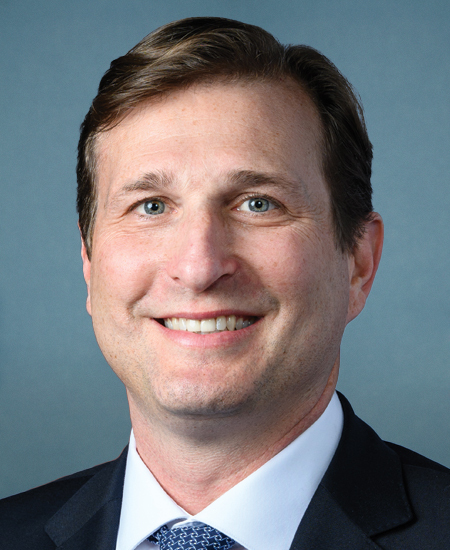
Rep. Daniel S. Goldman
Sponsored bills
Maddy summaryHR 6201, the Iranian Sanctions Enforcement Act of 2023, creates the Iran Sanctions Enforcement Fund to cover costs related to seizing and forfeiting property from Iran or its designated proxies (like Hezbollah or the Revolutionary Guard Corps) that violate U.S. sanctions. The fund, initially $150 million, pays for investigative costs, property management, informant rewards, and equipment for federal, state, and local agencies involved in enforcement. It also establishes an Export Enforcement Coordination Center within Homeland Security to improve interagency cooperation on enforcing export controls targeting Iran. The bill requires annual reports on fund usage and mandates repayment of the initial $150 million by 2034, unless waived for national security reasons.
Maddy summaryThe Healthcare Workforce Resilience Act (HR 6205) reallocates unused employment-based immigrant visas from fiscal years 1992-2021 to directly support foreign nurses and physicians seeking permanent residency in the U.S. It creates 40,000 new visas - 25,000 for nurses and 15,000 for physicians - available only to those with petitions filed within three years of the bill’s enactment. The bill includes expedited processing without fees, exempts these visas from country limits, and requires employers to attest that hiring foreign workers won’t displace U.S. workers. This policy change specifically targets healthcare staffing shortages by streamlining pathways for qualified foreign healthcare professionals.
Maddy summaryHR 6145 creates a specialized "Children's Court" within U.S. immigration courts to handle cases involving unaccompanied children under 18. The bill requires immigration judges assigned to this court to complete mandatory training on child development, trauma-informed practices, and child-appropriate procedures - including explaining court processes in simple terms, providing breaks during testimony, and ensuring access to legal counsel. It also prohibits sharing sensitive personal information about children without their consent, protecting privacy during proceedings. Annual reports will track case processing, appearance rates, and the court's effectiveness in upholding due process for these children.
Maddy summaryHR 5983, the Clean Water Act of 2023, redefines "protected water resources" under federal law to explicitly include all interstate and intrastate waters (such as intermittent and ephemeral streams), wetlands, and their tributaries. This directly affects federal agencies like the EPA, states managing water quality, and developers or landowners needing permits for activities near these waters. The bill eliminates the Supreme Court’s narrow "navigable waters" definition from Sackett v. EPA (2023), restoring protections for tens of millions of acres of wetlands and millions of miles of small streams. Key mechanisms require the EPA to annually review and adjust exclusions from protections based on scientific evidence, ensuring water bodies critical to drinking water, flood control, and ecosystems remain safeguarded.
Maddy summaryThis bill restores federal student loans for graduate and professional students by temporarily reinstating eligibility for Federal Direct Stafford Loans, which was previously terminated. It applies directly to graduate students who were excluded from these loans, preventing them from accumulating additional debt. The change is temporary, ending on or before June 30, 2023, and modifies specific provisions of the Higher Education Act without requiring additional rulemaking.
This resolution condemns Hamas' October 7, 2023, attacks against Israel and expresses sympathy and solidarity with the families of those held hostage or killed in those attacks. The resolution also adjourns the House of Representatives in honor of those killed and unaccounted for.
Maddy summaryHRES 778 is a House resolution demanding Senator Tommy Tuberville end his hold on military promotions affecting personnel critical to U.S. support for Israel. It specifically references blocked nominations for key Middle East roles, including Admiral Lisa Franchetti (Chief of Naval Operations), General David Allvin (Chief of Staff, Air Force), and Rear Admiral George Wikoff (5th Fleet commander). The resolution states these delays hinder the U.S. military’s ability to provide security, intelligence, and humanitarian support to Israel and stranded American citizens following the October 7 Hamas attacks. It urges Tuberville to lift the holds to ensure readiness for ongoing operations in the region. The resolution does not create new law but formally requests action on pending military confirmations.
Maddy summaryHRES 771 is a non-binding resolution expressing the U.S. House of Representatives' support for Israel following Hamas' October 7, 2023, attack. It condemns Hamas' actions, affirms Israel's right to self-defense, and calls for the immediate release of hostages. The resolution also urges enforcement of existing laws restricting aid to terrorists and sanctions against Iran for supporting Hamas. It does not create new policies or allocate funds, as it is a symbolic statement of congressional support.
Maddy summaryHRES 768 is a symbolic House Resolution expressing congressional support for Israel following Hamas' October 7, 2023 attacks. It condemns Hamas' actions, reaffirms Israel's right to self-defense, and calls for the immediate release of hostages. The resolution references the U.S. commitment to Israel's security through existing military aid programs, including the 2016 U.S.-Israel Memorandum of Understanding, and emphasizes enforcement of laws like the Taylor Force Act to prevent U.S. aid from reaching terrorist groups. As a symbolic resolution, it does not create new policy but serves as a statement of congressional support for Israel.