

Maddy summaryThis bill updates the TRICARE Young Adult Program to make healthcare coverage more accessible for military dependents. It directly affects young adults (ages 21-26) who are children of active-duty service members, by eliminating a separate premium they previously paid for coverage. Key changes include removing an extra cost for young adults and adjusting eligibility rules to simplify enrollment. These amendments aim to reduce out-of-pocket expenses and streamline access to health insurance under the program.
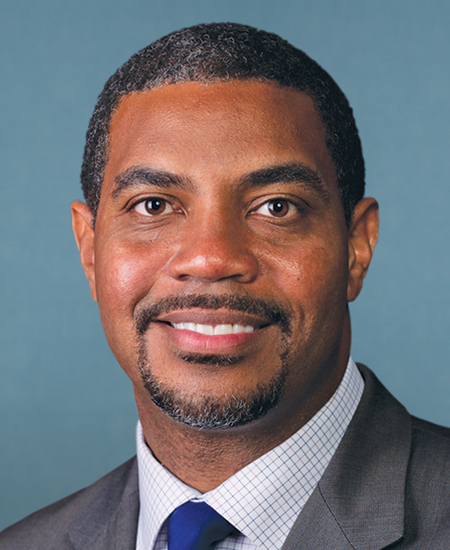
Rep. Steven Horsford
Sponsored bills
Maddy summaryThe Foster Youth Mentoring Act of 2025 authorizes federal grants to fund structured mentoring programs for children in foster care (under 18) and youth with foster care experience (up to age 26). It requires grantees to provide trained mentors (adult or peer), ensure cultural competence, conduct background checks, and match mentors with mentees for at least one year to support academic, social, and emotional needs. Programs must prioritize input from youth, recruit diverse mentors reflecting foster youth demographics, and coordinate with child welfare and education systems. The bill allocates $50 million annually for fiscal years 2026-2027, mandating annual reports on program reach, mentor demographics, and outcomes like school attendance and college enrollment. This directly affects over 390,000 foster youth annually by expanding access to evidence-based mentoring.
Maddy summaryHR 4667, the VISIBLE Act, requires U.S. Immigration and Customs Enforcement (ICE), U.S. Customs and Border Protection (CBP), and other authorized immigration officers to visibly display their agency name and either their last name or unique badge number during all public immigration enforcement activities (such as stops, arrests, raids, or checkpoints). This identification must be clearly legible from 25 feet away on outer clothing, not obscured by gear, and officers cannot wear face coverings that hide their face during public interactions unless for covert operations or hazardous conditions. The bill mandates DHS to discipline non-compliant officers and submit annual reports to Congress detailing enforcement activities, violations, and disciplinary actions. It also directs DHS’s Civil Rights Office to investigate public complaints about noncompliance.
Maddy summaryHR 4674, the Baby Hygiene Tax Relief Act, removes existing tariffs and prohibits future tariffs on 11 specific baby hygiene items, including diapers, baby wipes, baby soap, shampoo, and changing tables. The bill requires the President to terminate all current tariffs on these items imposed under the International Emergency Economic Powers Act and invalidates any similar tariffs from other authorities. This directly affects parents and caregivers who purchase these products, as it eliminates cost-increasing import duties. The key mechanism is a legal prohibition on tariff imposition and a mandate to end existing tariffs on the listed items.
Maddy summaryThe Baby Sleep Tax Relief Act (HR 4654) prohibits the President from imposing or continuing tariffs on specific baby sleep products under emergency economic powers. It directly affects parents, caregivers, and retailers by removing existing and preventing future tariffs on cribs, toddler beds, mattresses/bedding, bassinets, cradles, and baby monitors. The bill mandates the termination of all current tariffs on these items and invalidates any similar duties imposed under other authorities. This is a concrete policy change that eliminates a specific cost burden on essential baby sleep equipment. The legislation focuses solely on removing these tariffs, with no additional provisions or funding.
Maddy summaryHR 4628, the AI Impersonation Prevention Act of 2025, prohibits using artificial intelligence to impersonate federal officials (including mimicking their voice or likeness) without a clear disclaimer, if the content is materially false or misleading. It makes knowingly creating such deceptive AI content a crime punishable by up to three years in prison or a fine, while explicitly exempting satire, parody, or protected speech that includes a clear disclosure it is not authentic. The bill directly affects individuals or entities producing AI-generated content falsely posing as federal employees or officials. It defines "artificial intelligence" broadly as systems performing human-like tasks (e.g., generating realistic audio or video) and "impersonates" as falsely representing oneself as another identifiable person.
Maddy summaryHR 4726, the Educational Toy Tax Relief Act, removes tariffs on specific baby and children's products by prohibiting the President from imposing or maintaining import duties under the International Emergency Economic Powers Act. It directly affects importers and manufacturers of items like toys for children under three, tricycles/scooters, playpens, baby swings, and educational toys. The bill requires the immediate termination of existing tariffs on these items and invalidates any similar duties imposed under other authorities. This policy change eliminates import costs for these specific products, making them more affordable for consumers.
Maddy summaryHR 4746, the Baby Food Tax Relief Act, removes tariffs on specific baby products by prohibiting the President from imposing or continuing duties on them under emergency powers. It directly affects parents and caregivers purchasing baby bottles, breast pumps, highchairs, booster seats, and baby formula, which were previously subject to tariffs. The bill requires the termination of existing tariffs on these items and invalidates any similar tariffs imposed under other authorities. This creates immediate tax relief for these essential baby care products without altering existing tax structures for other goods.
Maddy summaryHR 4738, the Baby Safety Tax Relief Act, removes import tariffs on specific baby safety products. It prohibits the President from imposing or continuing tariffs on baby carriages, strollers, baby carriers, and baby car seats under emergency economic powers or similar authorities. The bill requires the immediate termination of any existing tariffs on these items as of its enactment date. This directly affects importers and retailers of these products by reducing their import costs.
Maddy summaryThis bill creates a tax incentive for U.S. corporations to distribute company stock to employees. To qualify, corporations must have 500+ full-time U.S. employees, be U.S.-domiciled, and meet specific share distribution requirements (e.g., distributing at least 1% of shares to employees or maintaining a 5% "SHARE ratio" of shares granted). Eligible corporations receive a 3% reduction in corporate income tax and can deduct the fair market value of distributed stock. Employee stock received under these plans is excluded from taxable income, directly benefiting workers at qualifying companies while lowering tax liability for the corporations.