

Maddy summaryHR 3753, the Expanding Access for Online Veteran Students Act, would increase housing stipends for veterans using the Post-9/11 GI Bill to take fully online courses. Currently, veterans enrolled solely in distance learning programs receive only 50% of the standard housing allowance; this bill removes that restriction, providing full housing stipends for online students attending more than half-time. The change applies to all veterans pursuing online degrees under the Post-9/11 GI Bill, ensuring they receive the same housing support as on-campus students. The policy takes effect for terms beginning August 1, 2025.
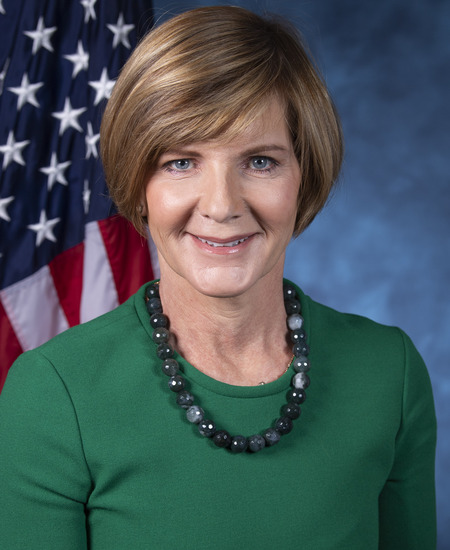
Rep. Susie Lee
Sponsored bills
Maddy summaryHR 3986 exempts small businesses (as defined by the Small Business Act) from import taxes imposed under Executive Order 14257. This means small businesses importing goods for their own use will no longer pay these specific taxes. The bill directly affects small businesses meeting the size standards outlined in the Small Business Act. It removes an existing tax burden without creating new regulations or requirements.
Maddy summaryHR 3946, the FIGHT Act of 2025, amends the Animal Welfare Act to specifically prohibit gambling on animal fighting events and restrict the interstate transport of roosters used in such ventures. It defines "rooster" as male chickens over six months old and makes it unlawful to sponsor, exhibit, attend (for those under 16), or gamble on animal fighting events - whether in-person or broadcast. The bill creates a civil enforcement mechanism allowing any person to file a lawsuit to stop violations after providing 60 days' notice to authorities, with potential fines up to $5,000 per violation. It also establishes seizure of property used to facilitate violations and clarifies that state laws on animal fighting remain in effect unless directly conflicting with federal provisions.
Maddy summaryHR 3981 would grant a federal charter to the Veterans Association of Real Estate Professionals (VAREP), a California-based nonprofit already recognized as a veterans service organization under IRS rules. This charter would formalize VAREP's status as a federally chartered entity under Title 36 of the U.S. Code, requiring it to maintain its tax-exempt status under the IRS Code to keep the charter. The bill outlines VAREP's purposes, including advocating for veterans' homeownership, providing financial literacy education, offering housing counseling, and connecting real estate professionals with veterans' needs, while prohibiting political activities, stock issuance, or profit distribution. This is a procedural bill focused on organizational structure, not policy changes.
Maddy summaryThe Veterans Patient Advocacy Act (HR 2068) requires the Department of Veterans Affairs (VA) to ensure rural veterans can access patient advocates at VA medical facilities, including assigning advocates to rural community-based outpatient clinics when feasible. This policy directly affects veterans receiving care at rural VA locations by providing dedicated support to help navigate healthcare services. The VA must implement this change within two years of the bill’s enactment, and the Government Accountability Office (GAO) must report on implementation progress within the same timeframe. The law focuses on improving access to advocacy for a specific group (rural veterans) without altering broader healthcare benefits or funding.
Maddy summaryThis bill requires private firearm transfers between individuals to go through a licensed dealer who must conduct a background check. It applies to most private sales but includes exceptions for transfers between family members (like parents and children), law enforcement, emergencies preventing harm, and temporary loans at shooting ranges or for hunting. Dealers must provide background check notices in both English and Spanish. The law aims to prevent prohibited individuals from obtaining firearms through private transactions while maintaining existing state authority on firearm laws.
Maddy summaryHR 3868, the Enhanced Background Checks Act of 2025, modifies federal firearm background check procedures to address delays. It requires federal firearms licensees to wait 10 business days after a background check query if the system doesn’t immediately flag a transfer, unless the buyer submits an electronic petition confirming they aren’t prohibited from owning firearms. The petition process includes a 10-day response deadline from the Attorney General, with licensees allowed to proceed if the system remains silent after 10 days. The bill also mandates detailed annual reports from the FBI on petition delays and GAO reports on implementation, focusing on how these changes affect firearm transfers to prohibited individuals.
Maddy summaryHR 3885, the Community TEAMS Act of 2025, creates a new grant program to expand medical student clinical training in rural and medically underserved communities. It provides funding for consortia of medical schools partnered with rural health clinics, community health centers, or facilities in underserved areas to support student rotations in outpatient settings. The grants, lasting 1-5 years, require applicants to detail project plans, sustainability, and how the program will improve community access to healthcare. This directly affects medical students, training facilities, and residents of high-need areas by aiming to build a sustainable physician workforce in those locations.
Maddy summaryHR 1373, the Tennessee Valley Authority Transparency Act of 2025, requires the TVA Board to hold public meetings, provide 6 days' notice via its website, and publish meeting minutes online for all non-emergency meetings. This directly affects the TVA Board and its committees by mandating greater public access to their proceedings. Key provisions include requiring all meetings (except emergency-designated ones) to be open to the public, with notice posted online at least six days in advance, and making meeting summaries and minutes publicly available. The bill focuses on procedural transparency without altering TVA's operational authority or funding.
Maddy summaryHR 3777, the Public Land Search and Rescue Act, creates a federal grant program to fund remote search and rescue activities on public lands managed by the Interior or Agriculture Departments. The program provides up to 75% federal funding for eligible states or local teams to purchase equipment, maintain gear, and reimburse costs for locating and rescuing people lost or injured in remote areas. Priority is given to areas with high visitor-to-resident ratios, and grants require applicants to be legally authorized to conduct such rescues. This bill directly affects state/local search and rescue organizations operating on federal lands by providing new funding mechanisms for their remote operations.