

Maddy summaryHR 5653, the Trust Through Transparency Act of 2025, requires U.S. Customs and Border Protection (CBP) and U.S. Immigration and Customs Enforcement (ICE) officers, as well as deputized personnel, to wear body cameras during all public immigration enforcement actions like stops, arrests, or checkpoints. Footage must be kept for six months unless it involves use of force, an arrest, a complaint, or a voluntary request for longer retention (up to three years) by officers, the public, or families. The bill mandates annual reports to Congress detailing enforcement actions, compliance issues, disciplinary actions taken, and public access to these reports (with privacy redactions permitted). It also creates an independent panel to advise on body camera policies, aiming to increase accountability in immigration enforcement.
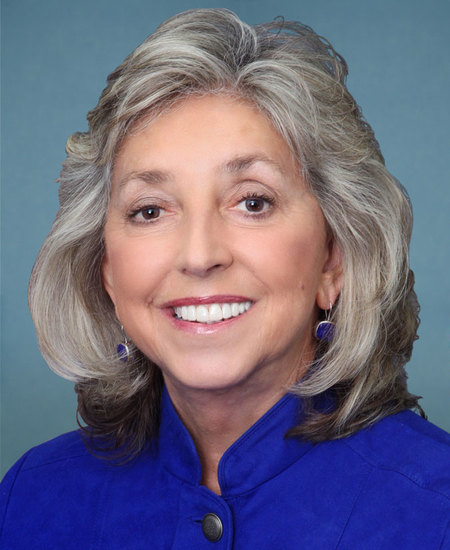
Rep. Dina Titus
Sponsored bills
Maddy summaryHRES 774 is a non-binding resolution that expresses congressional support for recognizing October 2025 as Filipino American History Month. It celebrates the historical contributions of Filipino Americans to U.S. society, including their roles in military service (such as World War II veterans), healthcare, labor movements, and cultural achievements. The resolution does not create new laws or benefits but urges the public to observe the month through educational programs and activities that highlight Filipino American history and culture. It directly affirms the heritage of the Filipino American community - approximately 4.6 million people - who are the third-largest Asian American group in the U.S. and have made significant contributions across multiple fields.
Maddy summaryHRES 781 is a symbolic resolution designating October 1, 2025, as "National Animal Rescue Day" to raise public awareness about animal adoption and spaying/neutering. It does not create new laws or allocate funds but encourages nationwide events like adoption drives and educational campaigns to support shelters and reduce pet overpopulation. The resolution directly aims to benefit animal shelters, rescue organizations, and potential adopters by promoting the importance of adopting pets and responsible pet ownership. As a non-binding gesture, it focuses on awareness rather than policy change.
Fair Pay for Federal Contractors Act of 2025 This bill provides back pay to employees of federal contractors who lost pay due to a lapse in appropriations (i.e., government shutdown) in FY2026. Specifically, the bill provides appropriations for federal agencies that are subject to a lapse in appropriations in FY2026 to adjust the price of contracts to compensate federal contractors for providing back pay to employees who were affected by the lapse in appropriations. The agencies must adjust the price of any contract for which the contractor stopped, suspended, delayed, or interrupted all or part of the work under the contract due to the lapse in appropriations. The price adjustment must compensate the contractor for reasonable costs incurred to (1) compensate employees who were furloughed or laid off, were not working, or experienced a reduction of hours or compensation due to the lapse in appropriations; or (2) restore paid leave taken by employees during the lapse in appropriations if the contractor required or permitted employees to use paid leave as a result of the lapse in appropriations. The maximum amount of weekly compensation of an employee for which an adjustment may be made under this bill may not exceed the lesser of (1) the employee's actual weekly compensation, or (2) $1,442 (or a lesser amount pro-rated for an employee who works less than 40 hours per week). The bill also requires the Office of Federal Procurement Policy to submit a report to Congress on the adjustments made under this bill.
Maddy summaryThis bill ensures federal firefighters continue receiving pay and benefits during government funding gaps and shutdowns. It authorizes continuing appropriations for firefighter pay during any period without full-year funding for fiscal year 2026, and prohibits layoffs due to reduction-in-force actions during funding lapses. The law directly affects firefighters employed by executive agencies or military departments whose primary duties involve fire control and extinguishment. Key provisions guarantee job security and pay continuity without requiring new legislation during budget implementation delays.
Maddy summaryThis bill repeals longstanding restrictions on federal funding for gun violence research that have been in place since 1996. It establishes a National Gun Violence Research Program coordinated by the Office of Science and Technology Policy, authorizing $200 million over six years ($200,000 annually from 2026-2031) to fund research across multiple agencies including the National Institutes of Health, Centers for Disease Control, and National Institute of Justice. The bill requires sharing of gun trace data with researchers and creates an interagency working group and advisory committee to guide the research program. This legislation focuses on enabling research into the causes and prevention of gun violence without making changes to gun laws or regulations.
Maddy summaryHRES 772 is a symbolic House resolution expressing support for National Public Lands Day (observed September 27, 2025). It encourages U.S. citizens to visit public lands on this fee-free day, recognizing their cultural, spiritual, and economic value. The resolution cites existing statistics on public lands' economic contributions (e.g., $252 billion in economic output from Bureau of Land Management lands in 2024) but does not create new policies or alter fees. As a procedural resolution, it has no binding effect and serves only to promote awareness of existing public land access.
Maddy summaryThis bill extends the National Flood Insurance Program (NFIP) through November 21, 2025, ensuring continued coverage for policyholders. It directly affects homeowners and businesses in flood-prone areas who rely on NFIP policies for protection against flood damage. The key provision changes the program's expiration date in two specific sections of the law, updating the end date from September 30, 2023, to November 21, 2025. This extension prevents the program from lapsing and maintains access to federal flood insurance.
Maddy summaryThis bill prevents federal agencies from terminating employees during a government shutdown caused by a lapse in discretionary funding. It prohibits removals of civil service employees at any agency affected by a funding gap, and if an employee is wrongfully removed, they can return to their job with back pay once funding resumes. The law directly protects all federal employees covered by the civil service system during shutdowns. It applies automatically to any funding lapse, requiring automatic reinstatement without needing separate legal action.
Maddy summaryThis bill requires airlines and ticket agents to issue refunds within 7 days for canceled or significantly delayed/changed flights. It directly affects travelers who experience flight disruptions and the airlines/ticket agents handling refunds. The key change replaces vague "prompt" refund language with a specific 7-day deadline after the ticket agent receives funds from the airline. This applies to all domestic and international flights covered under existing airline refund rules. The rule tightens existing requirements without creating new obligations.