

Maddy summaryThe Nurse Overtime and Patient Safety Act of 2026 prohibits healthcare providers from requiring registered, licensed practical, or licensed vocational nurses to work mandatory overtime beyond a previously scheduled shift, 48 hours in a week, or 12 consecutive hours. The bill allows exceptions during declared emergencies or disasters but requires that alternative staffing measures be attempted first and that the extended work does not extend past the end of the emergency response. Providers who violate these limits face civil money penalties of up to $10,000 per violation, with harsher fines for repeated offenses, and are required to post nurse schedules and rights notices in visible locations. Additionally, the legislation protects nurses from retaliation if they refuse mandatory overtime or report violations, while mandating that the Department of Health and Human Services study safe working hour standards and the Office of Management and Budget review practices in federally operated medical facilities.
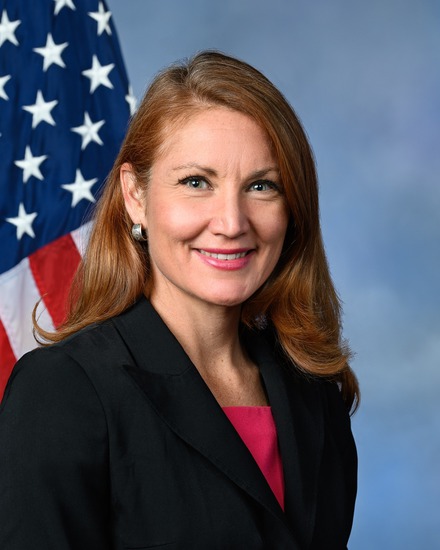
Rep. Melanie A. Stansbury
Sponsored bills
Maddy summaryThe Protect American Values Act prohibits the use of federal funds to implement, administer, or enforce a specific Department of Homeland Security rule regarding the "Public Charge" ground of inadmissibility. This legislation directly affects immigrants and mixed-status families by preventing the government from using public benefits as a factor in determining eligibility for lawful permanent resident status. The bill includes a statement of congressional intent arguing that the targeted rule would restrict access to essential services like food, medical care, and housing, while also negatively impacting state and local economies. By cutting off funding for this specific policy, the act aims to maintain current immigration standards and prevent what Congress describes as an unauthorized reversal of long-standing law.
Maddy summaryThe No Payoffs for Pardons Act requires individuals who receive executive clemency to file detailed financial reports if they provided gifts or benefits of $10,000 or more to the President or related entities in an attempt to secure that pardon. These disclosure reports must be submitted to the Attorney General and made publicly available online, while also updating federal bribery laws to explicitly include pardons as a form of "anything of value" that can be offered to officials. The bill imposes civil and criminal penalties for failing to file these reports or submitting false information, and it extends the statute of limitations for prosecuting bribery cases involving clemency to ten years. By mandating transparency around the exchange of favors for clemency, the legislation aims to prevent the misuse of presidential pardon power without restricting the President's constitutional authority to grant pardons.
Maddy summaryThe Indigenous Students Excel through Parity Act of 2026 directs the Secretary of the Interior to update the funding formula for Bureau of Indian Education schools and tribally controlled schools by the end of 2027. This update requires matching teacher salaries to the highest quartile of state averages and includes specific adjustments for small rural schools and the Havasupai Elementary School. The bill also mandates that future federal budgets fully fund these programs, adjusting amounts annually for inflation and ensuring non-teacher staff receive pay increases equal to federal employees. Additionally, the Secretary must submit a report to Congress evaluating the current funding adequacy and offering recommendations for further improvements.
Maddy summaryThe Temporary Protected Status Review Act restores the ability of courts to review decisions by the Department of Homeland Security to end Temporary Protected Status (TPS) designations for foreign nationals. Under this bill, the government must publish detailed written findings explaining why a country no longer qualifies for TPS protection, and these decisions would be subject to a legal challenge in federal court. If a TPS designation is terminated, the affected individuals would remain in the United States with their current status and work authorization intact while the legal challenge is pending. Additionally, the legislation requires the government to follow specific administrative procedures, such as considering all available evidence and avoiding bias, before making any termination decisions.
Maddy summaryThis bill establishes federal protections and funding to expand access to in vitro fertilization and intrauterine insemination for individuals, military service members, and veterans. It requires most private health plans, Medicaid programs, and Medicare to cover these fertility treatments without imposing higher cost-sharing than other medical services. Additionally, the legislation mandates that the Department of Defense and the Department of Veterans Affairs provide specific fertility preservation and treatment benefits to uniformed service members and eligible veterans. The bill also includes preemption clauses that override state laws restricting these procedures and prohibits discrimination based on marital status, sex, or sexual orientation in the provision of care.
Maddy summaryThe Indigenous Students Excel through Parity Act of 2026 directs the Secretary of the Interior to conduct two studies aimed at improving funding and resources for Bureau-funded and tribally controlled schools. The first study will evaluate the current Indian School Equalization Formula to ensure it provides salaries for teachers and staff that match the highest rates found in public schools or the Department of Defense, while also considering specific needs of small and rural schools. The second study will explore potential new revenue sources to help bring these schools into financial parity with other school systems. Both studies require the Secretary to consult with tribal organizations and submit a report to Congress with findings and recommendations on how to update the funding formula.
Maddy summaryThe Protecting Home-Based Care for Rural Veterans Act of 2026 aims to safeguard funding for home health services provided to veterans living in rural areas. It requires the Department of Veterans Affairs to restore any reimbursement rates for homemaker and home health aide services that were lowered after December 31, 2025, and prevents future rate cuts without notifying Congress at least 90 days in advance. Additionally, the bill mandates annual reports to Congress detailing the availability of service providers in different regions and the methods used to calculate payment rates. A one-time report must also be submitted within 90 days of the law's enactment to explain how these rates were determined and whether input was gathered from service providers.
Maddy summaryThis bill reauthorizes and expands the Accelerating Access to Critical Therapies for ALS Act through 2031, extending funding for research into treatments for amyotrophic lateral sclerosis. It requires drug manufacturers to share interim clinical trial data with the FDA to better assess the progress of investigational drugs and clarifies that phase 3 clinical trial definitions include combined phase 2/3 trials and planned trials not yet enrolling participants. The legislation also mandates the FDA to publish an updated five-year action plan for ALS and other rare neurodegenerative diseases, including resource needs and coordination strategies with broader disease communities. Additionally, the bill requires the Government Accountability Office to submit a report on the program's implementation four years after enactment.
Maddy summaryThis bill expands federal election laws to prevent foreign nationals from influencing U.S. elections by tightening restrictions on domestic companies with significant foreign ownership or control. It requires businesses that are at least 50% owned by foreign individuals, or those with specific foreign influence, to file a sworn certification proving they are not foreign-controlled before making any political donations or spending money on election activities. Additionally, the law clarifies that these rules apply to state and local ballot initiatives and mandates that corporate political action funds certify their managers and board members are U.S. citizens or permanent residents. The legislation also prohibits recipients of funds from these businesses from using the money for further political contributions unless they receive and verify the required compliance certification.