

Resident Physician Shortage Reduction Act of 2023 This bill increases the number of residency positions eligible for graduate medical education payments under Medicare for qualifying hospitals, including hospitals in rural areas and health professional shortage areas. Current law provides for an increase of up to 200 positions per fiscal year beginning in FY2023, with a total increase of 1,000 positions; each hospital may receive up to 25 additional positions. Current law also provides for an additional increase of up to 200 positions for FY2026, with at least 100 of these positions for psychiatry or related specialties; each hospital may receive up to 10 additional positions. The bill provides for an additional increase of 2,000 positions per fiscal year from FY2025-FY2031; during this period, each hospital may receive up to 75 additional positions in total under the bill and current law. Additionally, one-third of the positions that are made available under the bill must be allocated to hospitals that are already operating above applicable resident limits. The bill also requires the Government Accountability Office to report on strategies to increase the diversity of the health professional workforce, including with respect to representation from rural, low-income, and minority communities.
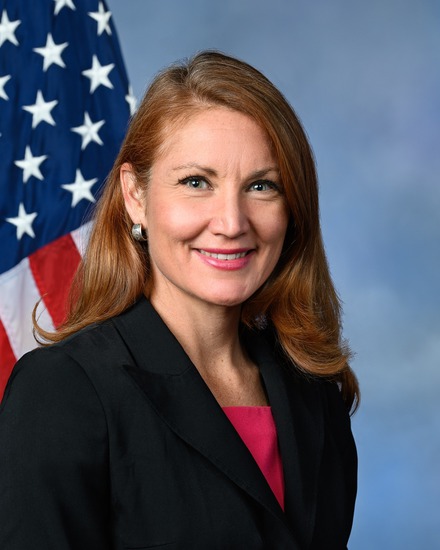
Rep. Melanie A. Stansbury
Sponsored bills
Maddy summaryThe Real Emergency Access for Aging and Disability Inclusion for Disasters Act (REAADI for Disasters Act) requires that individuals with disabilities and older adults be included in decision-making for all phases of disaster management. It mandates accessible communication methods (including American Sign Language, captions, and plain language), ensures disaster shelters and services are accessible without segregation, and requires compliance with civil rights laws in crisis standards of care. The bill also establishes training centers to support disability-inclusive disaster management and creates a national commission to review past settlement agreements related to disability rights in disasters. This legislation directly affects individuals with disabilities and older adults, as well as government agencies responsible for disaster planning and response.
Maddy summaryHR 1826 (PSA Screening for HIM Act) requires health insurance plans and issuers to cover prostate cancer screenings without out-of-pocket costs for men aged 40 and over who are at high risk of prostate cancer. This directly affects African-American men and men with a family history of prostate cancer (defined as having a first-degree relative diagnosed with or who died from prostate cancer). The bill mandates coverage for evidence-based screenings under the same requirements as other preventive services, effective for plan years starting January 1, 2024. It aims to address disparities in prostate cancer outcomes by removing financial barriers to early detection for high-risk groups.
Maddy summaryHR 1812 requires the Federal Communications Commission (FCC) to study whether the Universal Service Fund (USF), which funds broadband access in rural and low-income areas, should expand who pays into the fund to ensure fairness. Within 120 days of enactment, the FCC must complete this study and report findings to Congress. By one year after enactment, the FCC must also develop new rules to reform the USF contribution system, specifically expanding who contributes. This directly affects telecommunications companies that pay into the USF, as the changes could shift funding responsibilities, potentially impacting broadband costs for consumers and businesses. The bill aims to make the funding system more equitable without specifying final changes.
Maddy summaryThe Women's Health Protection Act of 2023 would protect access to abortion services by prohibiting states from imposing restrictions that are more burdensome than those for comparable medical procedures. The bill would ensure people can obtain abortion services before fetal viability without unnecessary limitations like mandatory waiting periods or biased counseling, and after viability when necessary to protect the patient's life or health. It would preempt state laws that conflict with these protections and allow for civil enforcement actions to challenge restrictive state laws. This bill directly affects people seeking abortion services (including transgender and nonbinary individuals who can become pregnant), health care providers, and states that have implemented abortion restrictions.
Maddy summaryThis resolution (HRES 279, introduced April 6, 2023) designates April 10 as "Dolores Huerta Day" to symbolically honor Dolores Huerta's civil rights work. It recognizes her role co-founding the farm workers movement, advocating for labor rights (including the California Agricultural Labor Relations Act), promoting women's equality, and originating the "Sí Se Puede" slogan. The resolution has no binding policy effect - it is purely commemorative, celebrating her legacy without creating new laws or affecting any group directly. It was introduced by multiple House members as a formal expression of support for her contributions to social justice.
Maddy summaryHR 1465, "Violet’s Law," requires federal research facilities to establish standards for placing eligible animals (dogs, cats, primates, guinea pigs, hamsters, rabbits) no longer needed for research with animal rescue organizations, sanctuaries, shelters, or individuals. Federal departments and agencies operating such facilities must create these placement standards within one year of the law's enactment. The law mandates that animals must be vet-certified as healthy (free of infectious disease or physical issues) before placement and prohibits facilities from using animals for commercial trade, breeding, or public exhibitions. This policy directly affects federal research facilities and aims to provide permanent homes for research animals through defined, safe pathways.
Supporting Our First Responders Act This bill establishes a competitive grant program to support medical transport and emergency medical services (EMS). The Department of Health and Human Services (HHS) must award the grants to EMS organizations (including for-profit organizations) or state, tribal, territorial, or local governments. Grant-funded activities include (1) providing salaries and stipends for EMS workers; (2) purchasing vehicles, personal protective equipment, and other resources; and (3) establishing community paramedicine or mobile integrated health care initiatives. HHS must also report to Congress about health insurance reimbursement for medical transport and EMS and the feasibility of establishing a federal EMS office.
Maddy summaryThis bill amends the Affordable Care Act to allow individuals to enroll in standalone dental plans through health insurance Exchanges without needing to also have a separate health insurance plan. It directly affects consumers seeking dental coverage who may not qualify for or prefer not to enroll in a comprehensive health plan. The key provision removes a federal restriction that previously prevented enrollment in these dental plans solely based on lack of separate health insurance. This change makes it easier for people to access dental insurance options through the same marketplaces used for health coverage.
Maddy summaryHR 2403, the Enhanced Background Checks Act of 2023, modifies federal firearm background check procedures to address delays. It requires firearm licensees to wait at least 10 business days after a prospective buyer submits a petition verifying they are not prohibited from owning firearms before completing a sale, if the background check system hasn't cleared the transaction. The bill also mandates the Attorney General to create an electronic petition form, provide timely responses to petitions, and track delays. Additionally, it requires multiple reports analyzing implementation, transaction delays, denial reasons by state, and potential impacts on domestic violence victim safety, with the first report due within 150 days of enactment.