

Maddy summaryThis bill (HR 5999) requires the Department of Veterans Affairs (VA) to provide opioid antagonists (like naloxone) to enrolled veterans without needing a prescription or charging a copayment. It directly affects veterans receiving VA healthcare who may need emergency reversal of opioid overdoses. The key provisions mandate the VA to furnish these life-saving medications directly and eliminate both the prescription requirement and cost barrier. This policy change aims to improve immediate access to overdose reversal for veterans without requiring additional medical steps or financial burden.
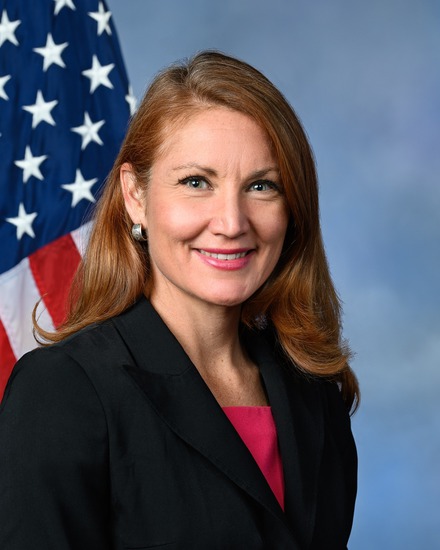
Rep. Melanie A. Stansbury
Sponsored bills
Maddy summaryThe Universal School Meals Program Act of 2026 mandates that all public schools provide free breakfast and lunch to every enrolled student, regardless of income. It establishes specific funding rates for these meals, adjusts payments based on the use of locally sourced food, and eliminates the ability of schools to collect debt for unpaid charges. Additionally, the bill expands free meal access to summer programs, afterschool care, and incarcerated juveniles while updating poverty measurement standards across various federal education and nutrition laws.
This resolution calls on elected officials, faith leaders, and civil society leaders to condemn and counter acts of anti-Semitism. The resolution also honors the contributions of Jewish-American servicemembers and commits to ensuring all Americans, including Jewish Americans, can worship without fear of violence or persecution.
Maddy summaryThis House resolution condemns the ongoing civil war in Sudan and calls for an end to external support provided to the warring parties, the Sudanese Armed Forces and the Rapid Support Forces. It urges the Trump Administration to stop supplying weapons or other assistance to these groups and to negotiate a peaceful settlement that restores democratic governance. The bill also highlights the severe humanitarian crisis affecting millions of people and demands that aid workers be granted safe, unrestricted access to deliver essential supplies. Additionally, it calls on the international community to support post-conflict reconstruction and establish a justice mechanism to hold perpetrators of war crimes accountable.
Maddy summaryThe Respect Tribal IDs Act requires the Department of Homeland Security to create and enforce annual training for immigration officers on how to properly identify and accept Native American tribal documents as proof of U.S. citizenship. This legislation directly affects federal immigration officials by mandating that they complete specific curricula developed in collaboration with the Bureau of Indian Affairs and Indian tribes. Key provisions include establishing a database of tribal document examples, incorporating scenario-based exercises, and ensuring officers understand the historical trust responsibility between the U.S. government and American Indians. Additionally, the bill defines which tribal documents, such as enrollment cards and certificates of degree of Indian blood, are considered valid proof of citizenship.
Maddy summaryThis bill expresses the sense of Congress that medication abortion is a safe medical treatment approved by federal regulators. It asserts that this federal approval overrides any state laws requiring the procedure to be dispensed in person by a healthcare provider. Additionally, the bill states that federal approval preempts state restrictions on prescribing or dispensing medication abortion through telehealth. Essentially, the legislation argues that states cannot enforce rules limiting how medication abortion is delivered if those rules conflict with the federal approval process.
Maddy summaryThe MISSION Rx Act ensures that military beneficiaries and veterans pay no more for specific negotiated drugs than Medicare Part D beneficiaries do. It achieves this by capping the out-of-pocket costs for TRICARE-covered servicemembers and copayments for veterans at the same levels established under the federal drug price negotiation program. Additionally, the bill requires federal agencies to limit the maximum prices they agree to pay pharmaceutical manufacturers for these same negotiated drugs. These changes apply to existing contracts and new agreements involving drugs selected for federal price negotiation.
Maddy summaryThis bill is a non-binding resolution that expresses the House of Representatives' sentiment to honor public servants for their dedication to the United States. It specifically acknowledges the work of federal, state, and local government employees, as well as uniformed service members, who deliver essential services and support the economy. The resolution calls on the American public to observe Public Service Recognition Week with ceremonies and activities that recognize these contributions. Because it is a symbolic expression of the House's feelings rather than a law with enforceable rules, it does not create new policies or mandate specific actions.
Maddy summaryThe Caja del Rio Protection Act establishes two new protected areas in New Mexico: the Caja del Rio Special Management Area within the Santa Fe National Forest and the Caja del Rio National Conservation Area managed by the Bureau of Land Management. These areas cover approximately 85,000 acres total and aim to conserve cultural, spiritual, ecological, and historical values while enhancing opportunities for local Indigenous tribes to participate in management. The bill restricts new road construction and limits motorized vehicle use to designated routes, requires the decommissioning of unauthorized roads, and withdraws the land from mining and mineral leasing operations. Additionally, the legislation facilitates a potential land swap where the federal government would transfer certain Bureau of Land Management parcels to the state in exchange for state trust land within the conservation boundary. The act also mandates the development of comprehensive management plans that incorporate Indigenous knowledge and ensure tribal access for traditional cultural and religious practices.
Maddy summaryThe CHARTER Act aims to ensure that public funds for charter schools are not used to generate profits for for-profit companies. It directly affects charter schools receiving federal money by prohibiting them from contracting with for-profit entities to run, manage, or oversee their daily operations. While the bill allows schools to hire for-profit vendors for specific services like food, supplies, and transportation, it strictly bans contracts where a for-profit company controls the school or takes a cut of its revenue. These rules will only apply to new or renewed contracts made after the law is passed, with full enforcement beginning three years later.