

Maddy summaryThis bill updates the TRICARE Young Adult Program to make healthcare coverage more accessible for military dependents. It directly affects young adults (ages 21-26) who are children of active-duty service members, by eliminating a separate premium they previously paid for coverage. Key changes include removing an extra cost for young adults and adjusting eligibility rules to simplify enrollment. These amendments aim to reduce out-of-pocket expenses and streamline access to health insurance under the program.
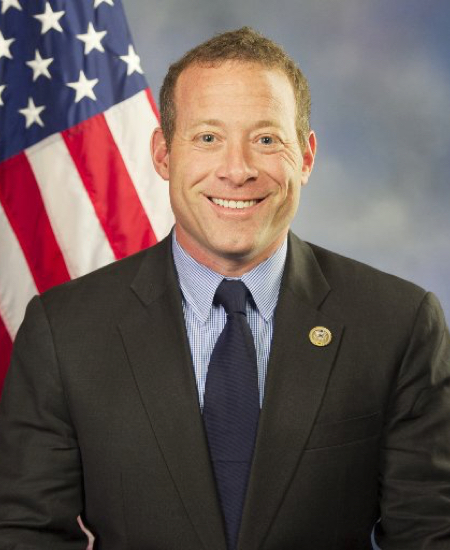
Rep. Josh Gottheimer
Sponsored bills
Maddy summaryHR 1549, the China Financial Threat Mitigation Act of 2025, requires the U.S. Treasury Department to conduct a study and issue a report within one year of enactment on financial risks posed by China's financial sector. The report must assess impacts on U.S. and global financial systems, evaluate U.S. protective policies, analyze transparency of Chinese economic data, and recommend actions for international cooperation. The Treasury must submit this unclassified report to relevant congressional committees and publish it online, with a possible classified annex. This bill mandates a review process but does not enact new financial regulations or directly affect businesses or citizens.
Maddy summaryHJRES 111 is a joint resolution seeking congressional disapproval of a U.S. Fish and Wildlife Service rule on barred owl management. The rule, published in September 2024, outlined strategies to reduce barred owl populations to protect the endangered spotted owl. Under the Congressional Review Act, this resolution would nullify the rule, preventing its implementation. If enacted, the rule would have no legal effect, and the agency could not enforce the barred owl management strategy.
Maddy summaryHR 4627 amends the Foreign Assistance Act of 1961 to update U.S. foreign aid programs combating HIV/AIDS. It specifically adds funding for HIV pre-exposure prophylaxis (PrEP) medications as a covered activity and designates all HIV prevention efforts - including those targeting at-risk populations identified by the World Health Organization - as "core life-saving humanitarian assistance." This change ensures such prevention activities receive priority funding under U.S. foreign aid programs. The bill directly affects how U.S. government agencies allocate resources for global HIV/AIDS prevention initiatives.
Maddy summaryHR 4744 establishes a federal grant program to fund community-based mental wellness and resilience initiatives. It provides planning grants (up to $250,000) and program grants (up to $500,000 annually for four years) to local coalitions - groups formed by representatives from at least five community sectors like schools, health services, faith organizations, and businesses. These coalitions must use a public health approach to identify community strengths and risks, build social connections, and implement evidence-based programs addressing mental wellness for all ages. The bill authorizes $36 million over five years (2025-2029), with 20% reserved for rural areas, and requires grantees to develop strategic plans and report on outcomes by 2030.
Maddy summaryHR 4752, the Reducing Hereditary Cancer Act, requires Medicare to cover genetic testing for germline mutations in individuals with a family history of hereditary cancer or suspicious personal/family history. It mandates coverage for risk-reducing surgeries (like mastectomies or hysterectomies) when guided by evidence-based clinical guidelines, and increases the frequency of cancer screenings (such as mammograms, colonoscopies, and breast MRI) for Medicare beneficiaries confirmed to have hereditary cancer gene mutations - ensuring screenings occur at least annually. The bill applies to Medicare beneficiaries with specific high-risk profiles, aligning coverage with guidelines from recognized oncology organizations like the National Comprehensive Cancer Network. It does not change eligibility but modifies Medicare’s existing coverage rules to expand access to these preventive services.
Maddy summaryThis bill adds "spotted lanternfly control" as a priority research area under federal agricultural funding, authorizing grants to develop and share tools for combating the invasive spotted lanternfly pest (Lycorma delicatula). It directly affects farmers, agricultural communities, and state departments of agriculture in states like Pennsylvania where the pest causes significant crop damage. The key provision amends existing law to allow research grants focused on creating effective treatments and management strategies for the pest. The bill also extends the funding period for all high-priority research initiatives through 2030.
Maddy summaryHR 4713, the Safe Schools and Communities Act of 2025, provides federal grants to school districts to fund training for staff who regularly interact with students. The bill requires grant recipients to cover training on human trafficking risk factors, fentanyl and drug abuse prevention, gang activity intervention strategies, and local community resources. Funds must also cover training costs (like instructor fees and materials) and implement specialized curricula in these areas. This directly affects elementary and secondary school personnel in districts receiving grants, with funding administered through the existing Elementary and Secondary Education Act framework.
Resident Physician Shortage Reduction Act of 2025 This bill increases the number of residency positions eligible for graduate medical education payments under Medicare for qualifying hospitals, including hospitals in rural areas and health professional shortage areas. The bill provides for an additional increase of 2,000 positions per fiscal year from FY2026-FY2032; during this period, each hospital may receive up to 75 additional positions in total under the bill and current law. Additionally, one-third of the positions that are made available under the bill must be allocated to hospitals that are already operating above applicable resident limits. The bill also requires the Government Accountability Office to report on strategies to increase the diversity of the health professional workforce, including with respect to representation from rural, low-income, and minority communities.
Maddy summaryHR 4710, the No Surprises Act Enforcement Act, increases penalties for health insurance plans and issuers that violate balance billing protections, which prevent surprise medical bills. The bill raises fines from $100 to $10,000 per violation for specific balance billing rule violations and adds a new penalty of three times the difference between initial payment and out-of-network rates for late payments after Independent Dispute Resolution decisions. It requires health plans and nonparticipating providers to make timely payments within 30 days of a payment determination, with interest accruing on late payments. The bill also establishes new transparency reporting requirements for the Secretary to submit regular reports to Congress about audits, enforcement actions, and penalties. These provisions directly affect health insurance issuers, group health plans, and nonparticipating healthcare providers.