

Maddy summaryHR 3597, the Protecting Circuit Boards and Substrates Act, creates two main incentives to boost domestic production of printed circuit boards and integrated circuit substrates. It provides a 25% tax credit for businesses purchasing US-manufactured circuit boards and substrates, and establishes a federal financial assistance program offering up to $300 million per project (with larger amounts possible with presidential approval) for manufacturing or research and development facilities in the United States. The program prioritizes small businesses, minority-owned businesses, veteran-owned businesses, and projects that expand domestic production capacity or relocate manufacturing from foreign-controlled areas. Recipients must use funds for specific covered incentives like facility construction, equipment, or workforce training programs, with strict clawback provisions for delays or inappropriate technology sharing with foreign entities of concern. The program requires coordination with multiple federal agencies and includes annual reviews by the Government Accountability Office to track outcomes.
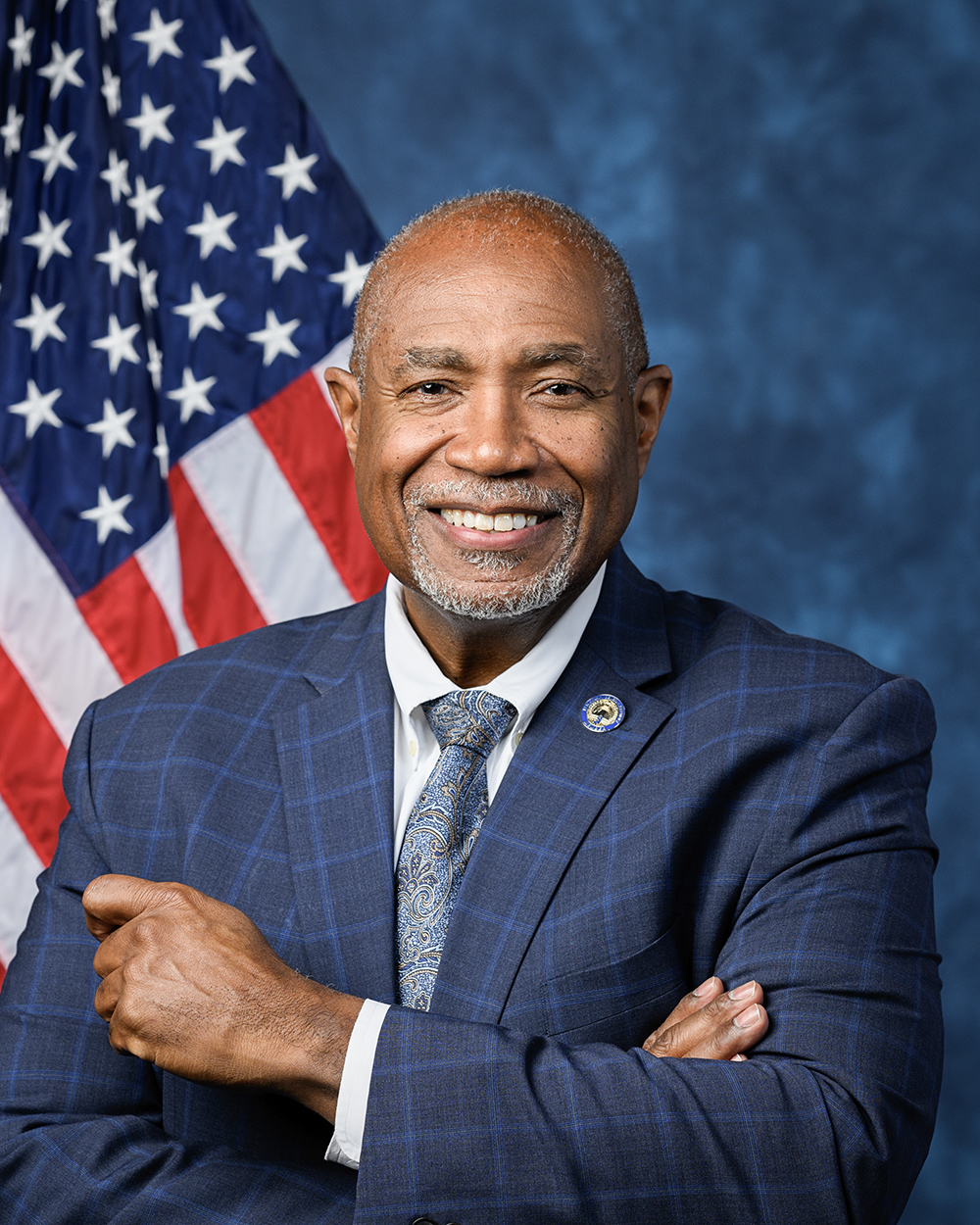
Rep. Herbert C. Conaway, Jr.
Sponsored bills
Stronger Communities through Better Transit Act This bill requires the Department of Transportation (DOT) to establish a grant program to support operating projects for public transportation and related service improvements, particularly in underserved communities and areas of persistent poverty. Specifically, the bill requires DOT to allocate funding under the program for urbanized areas, states, and Indian tribes that are recipients of funds under either the Federal Transit Administration's (FTA's) Urbanized Area Formula Funding program or Formula Grants for Rural Areas program. Eligible recipients may use funding for operating costs associated with projects that improve public transportation service for transit-dependent populations and support increased transit ridership (e.g., service expansion, information technology enhancements, and workforce development). DOT must apportion the funding so that recipients receive funds that are proportional to their share of operating costs. The bill also provides for an increased federal cost share for operating assistance for projects or programs carried out in areas of persistent poverty or underserved communities. DOT must set up a multimodal access measurement interface for public agencies to aid transit agencies in determining and reporting on access to jobs and essential services. A grant recipient must (1) report specific information to the FTA for inclusion in the National Transit Database, and (2) survey transit riders and non-riding residents regarding transit service improvements. Further, the bill expands the purposes of the public transportation programs to include supporting public transportation's role in combating climate change through growing/retaining transit ridership.
Maddy summaryThis bill restores a tax deduction for personal losses caused by disasters, crimes, or scams (like stolen property or damage from hurricanes). It directly affects taxpayers who filed returns before 2025 but couldn’t claim this deduction due to a prior suspension. The bill reinstates the deduction and extends the deadline to file refund claims for these losses until the tax filing deadline for the year the bill becomes law. This allows eligible individuals to claim refunds they were previously barred from receiving.
Maddy summaryHRES 410 is a non-binding House resolution requiring President Trump to comply with the Constitution’s Foreign Emoluments Clause regarding a $400 million Boeing 747-8 jet gift from Qatar’s royal family. It directs the President to immediately submit all plans for the aircraft to Congress and obtain explicit congressional consent before accepting it, as required by the Constitution. The resolution cites historical precedent where all prior presidents sought Congress’s approval for foreign gifts, including items like medals, horses, and the Statue of Liberty. It emphasizes that accepting the jet without consent would violate the Constitution and pose national security risks. The bill focuses solely on procedural compliance, not the merits of the gift itself.
Maddy summaryHR 3376 creates the Water Affordability, Transparency, Equity, and Reliability Trust Fund, funded by increasing the corporate tax rate from 21% to 24.5% starting in 2025, with annual funding capped at $35 billion or 1/20th of 20-year infrastructure needs. The bill allocates funds to clean water programs (42%), safe drinking water programs (42.5%), household water well systems (1%), colonias assistance (0.5%), and Indian health services (3%), requiring specific prioritization of low-income and minority communities for many programs. It mandates an EPA study on water affordability, discriminatory practices, and civil rights violations in water service, including data collection on service disconnections affecting vulnerable populations. The bill also includes provisions for lead service line replacement, PFAS contamination response, and job training grants for water system operators with specific requirements to prioritize low-income communities.
Maddy summaryHR 3013 amends U.S. Code to increase annual funding for programs supporting homeless veterans. It extends the funding authorization period through fiscal year 2024 and sets specific amounts: $350 million for 2025, with future years receiving "such sums as may be necessary." This directly affects homeless veterans by securing sustained federal funding for comprehensive service programs. The bill makes no changes to program requirements, only adjusting the authorized funding levels year by year.
Maddy summaryThe Fiscal Commission Act establishes a 16-member commission to address the federal government's fiscal challenges, including reducing debt and deficit while aiming for a debt-to-GDP ratio of 100% by 2039. The commission must educate the public about fiscal issues, identify policy recommendations, and submit a detailed report with legislative language by November 2026 (with possible extension to April 2027). This report requires bipartisan approval, needing at least two Republican and two Democratic members for majority support. If approved, the recommended legislation would become an "implementing bill" considered under expedited procedures in both congressional chambers. The commission's work directly affects federal budget decisions and public awareness of fiscal policy, with hearings required to gather input from experts and government officials.
Maddy summaryHR 3277, the Ensuring Lasting Smiles Act, requires group health plans and health insurance issuers to cover medically necessary outpatient and inpatient treatments for congenital anomalies or birth defects primarily affecting the eyes, ears, teeth, mouth, or jaw. This includes reconstructive procedures, dental/orthodontic support during treatment, and follow-up care, but excludes purely cosmetic surgery not tied to a medical diagnosis. Cost-sharing (like copays) for these services must not be stricter than for other medical benefits. The law takes effect for plan years beginning January 1, 2026, and mandates insurers to provide notice about this coverage to beneficiaries.
Maddy summaryThis bill prohibits the Department of Veterans Affairs (VA) from sharing veterans' personal data - including health, financial, and identifying information - with the U.S. DOGE Service (Department of Government Efficiency). It bans any special government employee from accessing or using veteran data for commercial purposes or non-governmental reasons, requiring them to return all data upon termination. The law specifically protects sensitive information like medical records, Social Security numbers, and biometric data from unauthorized use or retention. It directly affects VA data-sharing practices and ensures veteran privacy by restricting access to their personal information.
Maddy summaryHR 3243, the Therapeutic Fraud Prevention Act of 2025, bans the provision of paid conversion therapy aimed at changing a person's sexual orientation or gender identity, and prohibits advertising such therapy as effective, safe, or without risk. It directly affects LGBTQ+ individuals and their families who might be targeted by these practices, as professionals have determined conversion therapy is ineffective and harmful. The law treats violations as deceptive acts under consumer protection laws, empowering the Federal Trade Commission and state attorneys general to enforce it through civil actions. It explicitly excludes legitimate gender transition support and non-discriminatory counseling from the ban.