

Maddy summaryThe SAFE Act requires Medicare to cover falls risk assessments and fall prevention services for seniors aged 65+ who have fallen in the previous year. These services, provided by physical or occupational therapists, will be included in Medicare's annual wellness visits and initial preventive physical exams starting January 1, 2026. The bill also mandates annual reports to Congress beginning in 2027 on falls among seniors aged 65+ that required treatment for fall-related injuries. This policy directly affects Medicare beneficiaries with a documented history of falls by adding targeted preventive care to their covered benefits.
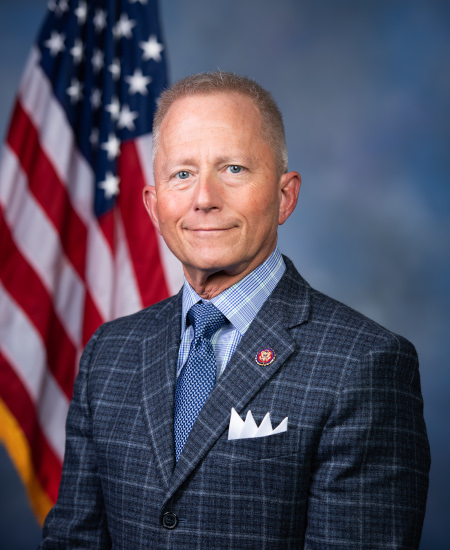
Rep. Jefferson Van Drew
Sponsored bills
Maddy summaryThe Laken Riley Act expands mandatory detention for immigrants convicted of certain property crimes like burglary, theft, or shoplifting by adding these offenses to existing immigration detention criteria. It requires the federal government to issue detainers for such individuals and take custody if not detained by local authorities. The bill also grants state attorneys general standing to sue federal officials in federal court if they believe immigration enforcement actions (like releasing detained immigrants) cause the state financial harm exceeding $100. This creates new legal pathways for states to challenge federal immigration decisions through expedited lawsuits.
Maddy summaryThe HALT Fentanyl Act (HR 27) creates a new category of Schedule I controlled substances for "fentanyl-related substances" defined by specific chemical modifications to fentanyl. This law directly affects researchers, medical professionals, and law enforcement by expanding the legal definition of fentanyl-related substances to include many structurally similar compounds. Key provisions include streamlined registration processes for research on these substances, allowing researchers to conduct studies with expedited procedures if related to FDA-approved drug development or government-funded research. The bill requires the Attorney General to issue implementing rules within six months and includes penalties for violations involving these substances.
Maddy summaryThis bill would abolish the United States Agency for International Development (USAID) by ending all federal funding for its operations. Starting on the bill's enactment date, no funds may be used for USAID's functions under the Foreign Assistance Act or other laws, and any unused funds as of the day before enactment would be rescinded. All remaining USAID assets and liabilities would be transferred to the Secretary of State. The bill directly affects USAID's ability to carry out international development and humanitarian assistance programs.
Maddy summaryHR 1137, the "No Kill Switches in Cars Act," repeals Section 24220 of the Infrastructure Investment and Jobs Act (Public Law 117-58), which previously required vehicle manufacturers to implement advanced impaired driving technology. This bill directly affects car manufacturers by removing a mandate to integrate specific safety technology designed to detect driver impairment. The key provision is the repeal itself, eliminating the requirement without creating new obligations or altering existing vehicle safety standards.
Maddy summaryHR 1138, the Payment Choice Act of 2025, requires most retail businesses to accept cash for in-person purchases up to $500 per transaction and prohibits charging higher prices for cash payments compared to other methods. Businesses may temporarily refuse cash only due to system failures, insufficient change, or if they offer a prepaid card conversion device meeting strict conditions (no fees, no minimum deposit, no expiration). The bill allows businesses a 5-year period to phase in accepting $50 bills or larger, after which the Treasury Secretary must mandate acceptance of $1-$20 bills. Consumers can send a 45-day notice to businesses for violations before pursuing legal action, with potential damages of at least $250 per violation. The law does not override stricter state cash acceptance protections.
Maddy summaryThe POWER Act (HR 1149) requires electric utilities to notify customers at least 30 days before implementing rate increases of 5% or more, detailing the percentage, reasons, bill impact, and feedback options via mail, email, website, and local media. It also mandates utilities to submit detailed rate increase plans to the Department of Energy 60 days in advance, including justification, consumer impact assessments, and proposed mitigation measures. The Department of Energy must review these submissions within 30 days, publish findings, and recommend adjustments or consumer support options like phased increases or financial aid. Utilities face civil penalties up to $10,000 for non-compliance with notification rules, and the Department must monitor post-implementation impacts on consumers and markets. The bill directly affects retail electric utilities (those selling directly to households) and their customers, aiming to increase transparency around rate changes.
Maddy summaryThis bill expands 529 college savings account flexibility by allowing funds to cover costs for industry-recognized postsecondary credentials, not just traditional degrees. It defines "qualified expenses" to include tuition/fees for recognized credential programs (like certifications or apprenticeships), required testing fees, and continuing education needed to maintain credentials. To qualify, programs must meet specific criteria, such as appearing on state lists under the Workforce Innovation and Opportunity Act or being listed in VA or Defense directories. The change applies to 529 distributions made after the law's enactment, giving families more options to use these accounts for job-focused training.
Stop Misappropriating Ratepayer Tariffs for Excessive Resources Act or the SMARTER Act This bill requires nonregulated utilities and state regulators of utilities to consider implementing a standard to prohibit electric utilities from recovering costs relating to the deployment of any smart grid system from their consumers. It also repeals the current requirement for states to consider authorizing electric utilities to recover costs relating to the deployment of certain smart grid systems from their consumers. Within a year, each nonregulated utility and state regulatory authority must consider adopting the prohibition. Within two years, they must determine whether or not to implement the prohibition. However, the deadlines do not apply if a state has already considered or implemented a comparable standard.
Maddy summaryThis resolution (HRES 120) expresses the U.S. House of Representatives' condemnation of Azerbaijan's treatment of Dr. Gubad Ibadoghlu, a detained academic and economist. It urges Azerbaijan to immediately release Dr. Ibadoghlu, who was arrested in 2023 without evidence, subjected to severe beatings, poor prison conditions, denied medical care and legal access, and later placed under house arrest with a travel ban. The resolution specifically calls for his "immediate and unconditional release" and directs the Secretary of State to prioritize his well-being and release in diplomatic engagements with Azerbaijan. It directly addresses the Azerbaijani government's actions toward Dr. Ibadoghlu and his family, who face ongoing harassment.