

Maddy summaryThe SKIM Act (HR 3810) increases penalties for fraud involving counterfeit access devices like credit cards. It requires the U.S. Sentencing Commission to raise fraud offense levels by 4 points (minimum level 14) and count all unauthorized charges from 10+ counterfeit devices toward total losses. The bill also mandates a 90-day report to Congress from the Attorney General and DHS, detailing law enforcement coordination, fraud technologies, assistance requests, and recommendations for combating such fraud. This directly affects federal courts (through sentencing changes), law enforcement agencies, and businesses vulnerable to access device fraud.
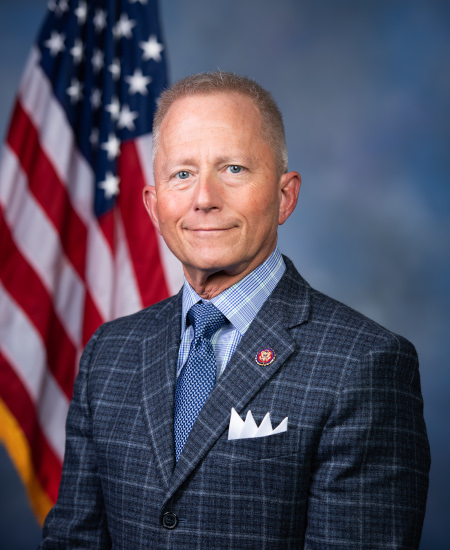
Rep. Jefferson Van Drew
Sponsored bills
Maddy summaryHR 3792, the KIDS Act, prohibits healthcare providers participating in Medicare, Medicaid, or CHIP from requesting minors' gender identity or sexual preference on intake forms or during healthcare enrollment. The bill bans such requests for non-essential information unrelated to a minor's medical diagnosis, treatment, or prevention of health conditions. Providers must stop collecting this data 180 days after the bill's enactment, with a new reporting system for violations to be established by the HHS within the same timeframe. This directly affects healthcare providers serving children under 18 in federally funded health programs.
Maddy summaryThe BARK Act of 2025 protects donors, nonprofits, and local/government entities from liability when donating "apparently fit" pet food or supplies in good faith to help animals. It shields them from lawsuits related to minor issues like appearance, age, or packaging, as long as the items meet basic safety standards and aren’t defective. Donors must inform recipients about any flaws, and recipients must agree to recondition items to meet standards before distribution. This law does not cover cases of gross negligence or intentional harm, and it doesn’t override existing health regulations. The bill directly affects pet food donors, shelters, and animal welfare programs by reducing legal barriers to sharing surplus supplies.
Maddy summaryThis resolution (HRES 459) is a symbolic gesture recognizing National Poppy Day, observed the Friday before Memorial Day. It supports the tradition of wearing red poppies as a symbol honoring U.S. military veterans who died in service, referencing the historical connection to World War I poetry and veterans' organizations. The resolution encourages all U.S. citizens, residents, and visitors to wear poppies on this designated day to express appreciation for those who died preserving freedom. It does not create new laws, funding, or obligations, but formally acknowledges the poppy's role in commemorating military sacrifice.
Maddy summaryThe Leveraging Educational Opportunity Networks Act creates a federal grant program to fund workforce training initiatives targeting workers without bachelor’s degrees, particularly those from low-income backgrounds, rural communities, historically disadvantaged groups, and formerly incarcerated individuals. Eligible organizations - such as non-profits, national training groups, and accredited institutions - would receive competitive grants to develop 12-week career programs that partner with employers in high-demand sectors (like healthcare, IT, and manufacturing), ensuring participants earn recognized credentials while receiving living wages and wraparound supports like stipends and job readiness coaching. Programs must prioritize enrollees reading at a 6th-grade level or below, guarantee at least 50% of participants come from underserved communities, and report annually on outcomes like earnings growth, employment rates, and credential attainment. The initiative allocates $30 million annually (2026-2029) to address labor shortages and support economic mobility through targeted, employer-aligned training.
Maddy summaryHR 3695, the Social Security Access Act, requires the Social Security Administration to offer three service channels for applying for benefits or submitting information under Social Security Act Titles II (disability/retirement) and XVI (Supplemental Security Income): toll-free phone service (available in English/Spanish nationwide with security safeguards), an online portal, and in-person office visits. It specifically mandates that phone service must allow completing benefit applications and changing direct deposit information, with multilingual support and security measures. The bill also requires annual reports from the Social Security Administration tracking usage, wait times, security, and accessibility barriers for each channel. These reports will help assess effectiveness and identify improvements needed for service access.
Maddy summaryHR 3663, the Bridge Protection Act, requires owners of bridges built before 1996 over navigable water to conduct vessel collision vulnerability assessments using a specific method. If assessments show high risk, owners must develop and implement a risk reduction plan within one year; failure to do so after October 1, 2026, makes them ineligible for federal bridge grants (unless granted an extension). The bill also establishes an interdisciplinary bridge safety team to oversee compliance and maintain a national vulnerability database, and creates a $500 million competitive grant program (2026-2030) to fund assessments and physical improvements for these older bridges. This directly affects state and local bridge owners managing pre-1996 structures.
Maddy summaryThis bill grants permanent resident status (a "green card") to a specific individual, Luana S. Cordeiro, by waiving standard immigration barriers. It allows her to apply for permanent residency within two years of the bill's enactment, removes any existing removal orders against her, and requires the State Department to reduce an immigrant visa number for her country of birth. Her relatives (parents, siblings) will not receive any special immigration benefits due to their relationship with her. The bill is a case-specific relief measure affecting only Luana Cordeiro and her immediate family's immigration eligibility.
Maddy summaryHRES 447 is a non-binding House resolution condemning antisemitism and honoring Yaron Lischinsky and Sarah Milgrim, two Israeli Embassy employees killed during a peace-focused panel discussion in 2023. The resolution specifically condemns all forms of antisemitism - including violence, vandalism, and online harassment - and remembers the victims, who were killed by a far-left activist affiliated with the Party for Socialism and Liberation. It calls for enforcing existing hate crime laws and protecting religious freedom, without creating new legislation. This resolution symbolically supports Jewish communities and victims of antisemitic violence but does not alter legal requirements.
Maddy summaryThe Carla Walker Act (HR 3591) creates federal grants to fund forensic DNA analysis using genetic genealogy databases for law enforcement. It authorizes $5 million annually (2024-2028) for two programs: (1) grants to eligible entities like police departments and medical examiners for whole genome sequencing (100,000+ markers) to solve unsolved cases or identify human remains when standard DNA databases fail, and (2) grants to purchase forensic equipment for genetic genealogy analysis. Funds cannot cover staffing or travel, with only 10% allowed for administrative costs. Recipients must report on case outcomes, testing methods, and results, including how often identifications led to arrests. The bill directly affects state/local law enforcement, forensic labs, and medical examiner offices handling unresolved criminal cases.