

Maddy summaryThe Latonya Reeves Freedom Act of 2026 strengthens the Americans with Disabilities Act to ensure individuals with long-term service and support needs have a federally protected right to live in their communities rather than institutions. It requires states and insurance providers to offer community-based services that allow people to maintain independence, control their own care, and access affordable, integrated housing. The bill mandates that public entities and insurers create enforceable transition plans to move people out of institutions, conduct self-evaluations to identify barriers, and establish clear grievance procedures for resolving complaints. Enforcement is handled by the Department of Justice, which can investigate violations, while individuals may also file civil lawsuits to seek damages or court orders preventing institutionalization.
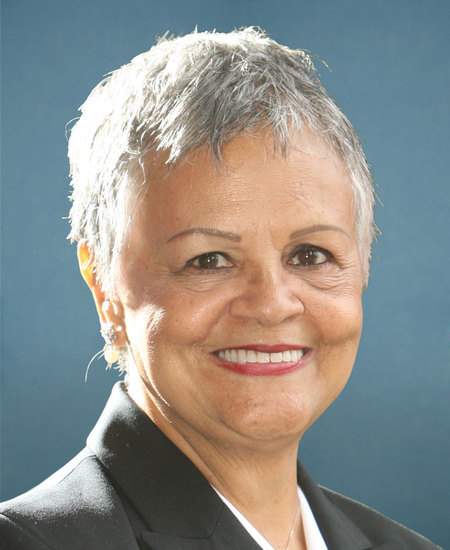
Rep. Bonnie Watson Coleman
Sponsored bills
Maddy summaryThis House resolution reaffirms the United States' commitment to protecting refugees and displaced persons by calling for the restoration of the Refugee Admissions Program and asylum protections. It urges federal officials to lift current bans on refugee entry, resume vetting for approved applicants, and increase humanitarian aid to host countries. The measure highlights the economic contributions of refugees and emphasizes the need for fair, humane policies that align with international obligations and domestic law.
Maddy summaryThis bill requires mortgage lenders to consider alternative credit information, such as rental payments and bank statements, when evaluating applicants who request it. It specifically targets individuals who lack a traditional credit history with major reporting agencies, a group that disproportionately includes low-income consumers, younger people, and people of color. Under the new rules, lenders must treat this permissioned data with the same weight as standard credit reports if the applicant authorizes its use and confirms it better reflects their financial standing. The legislation also mandates that underwriting systems be updated to automatically identify and include this data, while creditors must provide clear notices in eight common languages explaining the applicant's rights.
Maddy summaryThe Don't Settle for Corruption Act requires that the Attorney General must submit a report to both houses of Congress for any settlement regarding lawsuits brought against the President or former President by the United States. Before such a settlement can be approved and paid, Congress must pass a specific joint resolution within 60 days of receiving the report. This process ensures that compromise settlements in these high-profile cases receive explicit legislative approval rather than being finalized solely by the executive branch. The law applies specifically to imminent litigation or suits involving the President or former President and mandates that these settlements be handled similarly to court judgments.
Maddy summaryThis concurrent resolution authorizes the use of Emancipation Hall in the Capitol Visitor Center for a specific ceremony on June 24, 2026. The event is designed to dedicate the Semiquincentennial Congressional Time Capsule, which honors the 250th anniversary of the signing of the Declaration of Independence. The bill directs the Architect of the Capitol to manage the physical preparations for the event according to their established conditions.
Maddy summaryThis bill proposes a new amendment to the U.S. Constitution to guarantee the right to vote for all citizens of legal voting age in their place of residence. It requires states to allow voters to register and cast ballots on election day and mandates that Congress set national standards for how elections are administered. The amendment permits only narrowly tailored rules to protect election integrity and gives Congress the authority to pass laws enforcing these new voting rights.
Maddy summaryThis resolution commemorates the 10th anniversary of the 2016 Pulse nightclub shooting in Orlando, Florida, which was an act of domestic terrorism. It formally honors the names of the victims and expresses condolences to their families while acknowledging the bravery of law enforcement and emergency responders who responded to the tragedy. The document also reaffirms support for the LGBTQ+ community and calls for continued efforts to improve gun safety and mental health legislation.
Maddy summaryThe Hands Off Elections Act of 2026 prohibits federal employees from participating in or directing others to participate in the administration of federal elections, unless they are already authorized by existing laws such as the Help America Vote Act. This restriction applies to all executive agencies except the United States Postal Service, but it explicitly allows federal workers to assist with cybersecurity measures to protect voting systems. If a state law enforcement officer believes a federal employee has violated these rules, they can file a lawsuit in federal court to stop the behavior. The bill aims to separate federal agency staff from election management duties while preserving their ability to safeguard election technology.
Maddy summaryThe Keep Public Funds in Public Schools Act of 2026 eliminates a federal tax credit that allowed parents to deduct contributions to scholarship granting organizations from their income. By removing these specific tax breaks, the bill prevents the use of public tax dollars to support private school vouchers and scholarship programs. This change directly affects families who currently rely on these tax incentives to fund education outside the public school system. The provisions take effect for taxable years beginning after December 31, 2026.
Maddy summaryThe Child Safety and Well-Being Act of 2026 establishes a new federal Children's Commission to advocate for the interests of all children and marginalized youth. This 15-member body, appointed by the Comptroller General, will include experts, advocates, and young people with lived experiences to review federal policies and regulations affecting child well-being. The Commission will conduct research, issue public reports, and provide written comments on agency actions to ensure children's perspectives are considered in government decisions. Additionally, the bill creates a Children's Commissioner to lead the commission and facilitates the collection of data on how laws impact vulnerable populations.