

Maddy summaryThis concurrent resolution (HCONRES 69) commemorates the 15th anniversary of the January 8, 2011, Tucson shooting that killed six people and injured 13, including former Congresswoman Gabby Giffords. It honors the victims, survivors, and Giffords - now a prominent advocate for gun violence prevention - and recognizes her leadership in promoting civility and reducing gun violence. The resolution also commends Tucson residents and first responders for their resilience and reaffirms Congress’s commitment to respectful dialogue and opposing political violence. As a ceremonial resolution, it does not create new laws or policies.
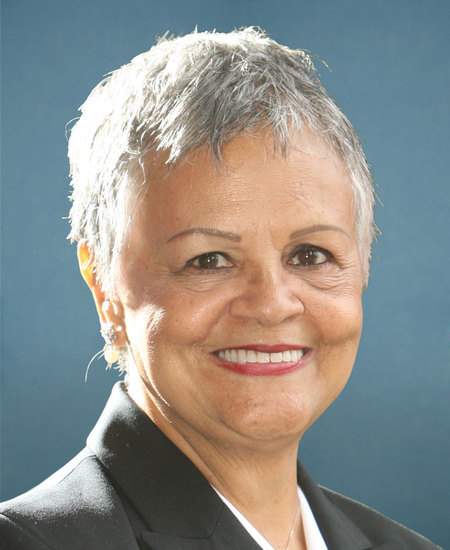
Rep. Bonnie Watson Coleman
Sponsored bills
Maddy summaryThis bill amends veterans' benefits to provide a $525 plot allowance (adjusted for inflation) to state or local governments operating cemeteries when a veteran's spouse, surviving spouse (including those who remarried), minor child, or unmarried adult child (under 23 in school) is buried there. It directly affects state and local cemetery operators by creating a new payment mechanism for eligible burials. The key provision requires the VA to pay this allowance to the cemetery owner, not the family, and applies to deaths occurring after the bill's enactment date. The amount is indexed for inflation but does not change existing burial benefits for veterans buried in national cemeteries.
Maddy summaryHR 4611 (EACH Act of 2025) requires all federally funded health programs - including Medicaid, Medicare, military health plans, and the Indian Health Service - to cover abortion services without restrictions, repealing the Hyde Amendment's long-standing ban on federal funding for most abortions. This directly affects millions of people enrolled in these programs, particularly low-income women, women of color (including 25% of Black women and 22% of Hispanic women on Medicaid), and young people. The bill mandates coverage in all federally administered health plans and prohibits state or private insurers from restricting abortion coverage in health insurance. It aims to eliminate current federal and state barriers that deny abortion access to people who rely on government health programs.
Maddy summaryThis bill prohibits landlords from charging application fees, tenant screening fees, and excessive late fees on "covered" rental properties - those with federally backed mortgages (like FHA, VA, or USDA loans) or HUD assistance. It caps late fees at 3% of monthly rent after a 15-day grace period and requires landlords to disclose total monthly costs, past tenant litigation, maintenance issues, and rent history for the past decade before signing leases. The law directs regulators like HUD to define "junk fees" and ban reporting unpaid fees to credit agencies. It directly affects renters in federally supported housing by limiting unexpected costs and increasing transparency.
Maddy summaryThis bill amends Section 287(g) of immigration law to restrict immigration enforcement authority exclusively to U.S. Immigration and Customs Enforcement (ICE) officers and DHS employees. It removes state and local law enforcement agencies' ability to verify immigration status, investigate, or arrest individuals for immigration violations under current 287(g) agreements. The change directly affects local police departments that previously participated in immigration enforcement through federal partnerships. The bill does not create new policies but alters existing authority to limit enforcement to federal officers only.
Maddy summaryHRES 955 is a symbolic House resolution recognizing the importance of maintaining U.S. leadership in ending pediatric HIV/AIDS globally. It affirms support for existing programs like PEPFAR and the Global Fund, which provide critical prevention services (e.g., antiretroviral prophylaxis for pregnant women) and treatment for children. The resolution specifically calls for continued commitment to closing the treatment gap for children, expanding access to long-acting prevention methods, and advancing the Global Alliance to End AIDS in Children by 2030. As a recognition measure, it does not create new laws or allocate funding but underscores ongoing U.S. efforts to prevent mother-to-child transmission and improve pediatric HIV outcomes.
Maddy summaryThis bill requires the President to reimburse the U.S. Treasury for Secret Service protection and related government costs when traveling for personal business interests tied to entities owned by or benefiting the President (Section 2). It bans the President from soliciting donations for presidential libraries or museums while in office and mandates annual reports from the President and private library entities (Section 4). Additionally, it prohibits the President from operating businesses, serving on boards, or engaging in day-to-day business operations during their term, with any income from such activities subject to a 100% tax (Section 5). Immediate family members engaging in prohibited business activities must submit quarterly reports to Congress. The bill directly affects the President and their immediate family by imposing financial accountability measures for potential conflicts of interest.
Maddy summaryThis bill amends a section of federal law to change the reference from "the White House" to "the People's White House" in a specific legal citation (Section 307104 of Title 54, U.S. Code). It is a purely procedural change to the text of the law, not a substantive policy shift. The bill does not alter historic preservation standards, protections, or funding for the White House grounds. It simply updates the formal name used within the legal code.
Maddy summaryThe UPLIFT Act creates a new federal tax credit for households with high residential energy costs. It allows individuals to claim up to $1,200 (or $2,400 for joint returns) annually for electricity, natural gas, or propane used in their primary U.S. home, but only when average energy prices exceed 102% of the prior year's level. The credit phases out for taxpayers earning over $75,000 (single) or $150,000 (joint), and refunds won't count as income for means-tested programs like SNAP. This directly affects renters and homeowners with qualifying energy expenses in their primary residence.
Maddy summaryThe ARMAS Act of 2025 transfers control of certain firearms export regulations from the Department of Commerce to the Department of State to better regulate exports to Mexico, Central America, and the Caribbean. It designates specific countries (including Mexico, Guatemala, Honduras, and El Salvador) as "covered countries" requiring stricter export oversight, including mandatory annual reports on firearms exports and end-use monitoring to prevent diversion to criminal groups. The bill requires the Department of State to develop a strategy to disrupt illegal firearm trafficking, including increased participation in the eTrace program for tracking U.S.-sourced firearms and improved data sharing with foreign governments. Based on findings that U.S.-sourced firearms are commonly used in crimes in these regions, the act aims to reduce the flow of weapons that fuel violence and crime.