

Maddy summaryThe 9-8-8 Implementation Act of 2026 expands federal funding and mandates insurance coverage for behavioral health crisis services, directly affecting individuals experiencing mental health or substance use emergencies as well as the providers who serve them. The bill authorizes grants to upgrade local lifeline call centers, build new crisis stabilization facilities, and train a larger workforce of behavioral health professionals. It requires Medicare, Medicaid, private group health plans, TRICARE, and other federal insurance programs to cover crisis response services with financial terms no more restrictive than standard medical care. Additionally, the legislation establishes a federal panel to develop training protocols for 9-1-1 dispatchers to better connect callers to appropriate crisis care rather than law enforcement responses.
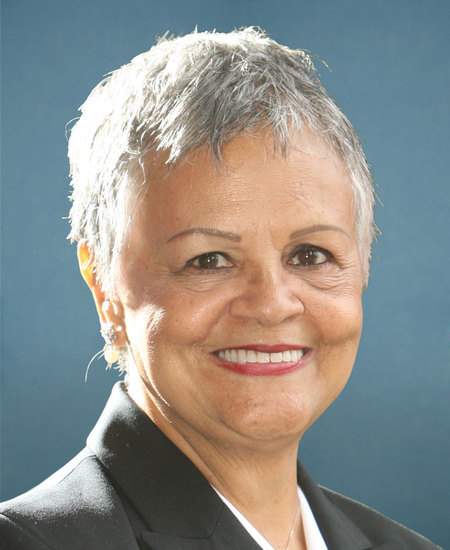
Rep. Bonnie Watson Coleman
Sponsored bills
Maddy summaryThis bill creates a 6-year Medicare pilot program providing medically tailored home-delivered meals and nutrition counseling to specific high-risk Medicare patients after hospital discharge. It targets individuals with diet-impacted conditions (like diabetes or heart failure) who live at home, have limited mobility, and are at high risk of hospital readmission. Selected hospitals must meet quality standards, screen patients using approved tools, and deliver at least two meals daily meeting nutritional needs while respecting cultural/religious dietary requirements, all without patient cost-sharing. The program requires hospitals to submit data for the Secretary to evaluate health outcomes, readmission rates, and cost savings compared to non-participants. Funding comes from the Medicare Hospital Insurance Trust Fund, offset by reductions to other hospital payments to maintain budget neutrality.
Maddy summaryThis bill requires all new passenger vehicles manufactured for sale in the U.S. to include AM radio as standard equipment (not an optional add-on) by 2027-2028, depending on manufacturer size. It mandates that AM radio receivers must be easily accessible to drivers and allows compliance through digital AM broadcast technology. During a transition period, manufacturers must clearly label vehicles without AM radio but cannot charge extra for this feature. The bill also mandates a GAO study on AM radio's role in emergency alerts and includes a 10-year sunset provision for the rule. It preempts state laws regarding AM radio access in vehicles.
Maddy summaryH.J. Res. 216 proposes a constitutional amendment to eliminate the exception in the Thirteenth Amendment that currently permits slavery and involuntary servitude as punishment for a crime. The resolution would amend the Constitution to explicitly state that neither slavery nor involuntary servitude may be imposed on anyone as a penalty for criminal conduct. This change would directly affect incarcerated individuals by prohibiting forced labor practices within the criminal justice system, while clarifying that voluntary work programs and community service alternatives remain permissible.
Maddy summaryThis House resolution reaffirms the chamber's commitment to defending the Fourteenth and Fifteenth Amendments by opposing actions perceived as voter intimidation or suppression. It specifically condemns the deployment of armed federal agents or immigration enforcement personnel near polling places and calls on the Department of Homeland Security to confirm that such operations will not occur during the 2026 elections. The bill also opposes the creation of a national database of confidential voter registration information and rejects legislation requiring documentary proof of citizenship for voter registration. Additionally, it supports restoring federal preclearance protections for voting laws and calls on the Speaker of the House to promptly administer oaths of office to duly elected representatives.
Maddy summaryHR 2592, the Aviation Medication Transparency Act of 2025, requires the Federal Aviation Administration (FAA) to create and maintain a public website listing medications approved for use by pilots and aircrew (airmen) during medical certification. The list must be developed with input from pilots' unions, air traffic controllers' representatives, and other stakeholders, and include details like "Do Not Issue" medications, required duty limitations for new medications, and contact information for medical providers. The FAA must publish this list within one year of the bill's enactment and update it annually. This directly affects pilots seeking or holding medical certifications by providing clear, accessible information about medication use in aviation.
Maddy summaryThis joint resolution seeks to overturn a Department of Homeland Security rule that would establish fixed time periods for admission and specific extension procedures for nonimmigrant academic students, exchange visitors, and representatives of foreign information media. If enacted, the bill would prevent this immigration regulation from taking effect, thereby maintaining the existing framework for how these individuals manage their stay in the United States. The measure directly affects international students, cultural exchange participants, and foreign journalists by blocking changes to their visa duration limits and renewal processes.
Maddy summaryThe Safeguarding Taxpayer Investment for Executive Airlift Act of 2026 prohibits the Department of Defense from using fiscal year 2027 funds to sell, donate, or transfer ownership of any aircraft from the VC-25B Bridge program. This restriction prevents these specific planes from being moved to individuals or entities outside the Department of the Air Force. The bill directly affects federal budgeting processes by limiting how appropriated defense money can be spent on executive airlift assets during that fiscal year.
Maddy summaryThis bill designates the U.S. Postal Service facility at 2407 State Route 71, Suite 1, in Spring Lake, New Jersey, as the "James J. Howard Post Office." All federal references to this location in laws, documents, or records will now use the new name. The bill is purely procedural and does not create new policies or affect any services or individuals.