

Maddy summaryThis bill establishes a compensation fund to provide financial support to law enforcement officers who actively defended the U.S. Capitol on January 6, 2021, and suffered injuries, emotional distress, or death as a result. The program is administered by a Special Master appointed by the Attorney General, who will review individual claims for economic and non-economic losses while ignoring any questions of negligence. Eligible officers can receive specific payments for their injuries or the death of a colleague, with a guaranteed minimum of $4.975 million for death claims, plus an additional equal distribution to all qualifying officers regardless of injury status. The legislation also includes provisions to reduce payouts by any other compensation the claimant has already received and grants the federal government the right to recover funds if they are later paid out in related legal settlements.
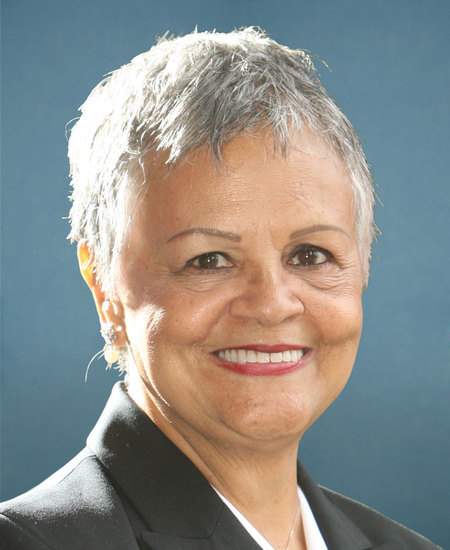
Rep. Bonnie Watson Coleman
Sponsored bills
Maddy summaryThe Universal School Meals Program Act of 2026 mandates that all public schools provide free breakfast and lunch to every enrolled student, regardless of income. It establishes specific funding rates for these meals, adjusts payments based on the use of locally sourced food, and eliminates the ability of schools to collect debt for unpaid charges. Additionally, the bill expands free meal access to summer programs, afterschool care, and incarcerated juveniles while updating poverty measurement standards across various federal education and nutrition laws.
Maddy summaryThe No Delay for Immigration Oversight Act mandates that the Department of Homeland Security immediately grant Members of Congress access to immigration detention facilities for oversight purposes. This legislation requires all federal contractors operating these facilities to certify that their staff are trained to comply with these access rules and allows the department to cancel contracts with entities that fail to do so. By defining "without delay" as immediate admission, the bill ensures that lawmakers can inspect facilities without waiting outside or providing prior notice. Ultimately, the law aims to uphold congressional authority to monitor the humane treatment and civil rights of detainees within these centers.
Maddy summaryThe Pregnant Women in Custody Act establishes new federal standards to protect the health and rights of pregnant women held in Bureau of Prisons facilities, immigration detention centers, and refugee shelters. It mandates comprehensive medical care, including mandatory pregnancy testing, access to contraception, and specialized dietary and housing accommodations tailored to pregnancy needs. A central provision prohibits the use of restrictive housing and physical restraints during pregnancy, labor, and the postpartum recovery period, with limited exceptions only for immediate safety threats. The legislation also requires facilities to provide nursery programs allowing mothers and infants to remain together, offers education on parental rights, and mandates regular reporting on health outcomes and the use of restrictive measures.
Maddy summaryThis resolution formally designates May 10, 2026, as National Asian American, Native Hawaiian, and Pacific Islander Mental Health Day to raise awareness about mental health within these communities. The text highlights that many individuals in this diverse group face barriers to care, including high costs, language differences, and cultural stigma, which result in low rates of treatment utilization. While the measure itself is symbolic and does not create new laws or funding, it encourages federal, state, and local agencies to develop policies that improve access to culturally and linguistically appropriate mental health services.
Maddy summaryThe Vote by Mail Protection Act of 2026 directly affects the federal government by nullifying Executive Order 14399, which previously required citizenship verification in federal elections. This legislation prohibits any federal agency from enforcing the order or using taxpayer funds to carry out its activities. By repealing the executive order, the bill removes the mandate for agencies to verify citizenship as a condition for voting in federal elections.
Maddy summaryThis resolution formally recognizes the week of May 4 through May 8, 2026, as "Teacher Appreciation Week" to honor the work of public school educators. It highlights the importance of teachers in the education system and notes that a majority of them support various policies, including protections for students and funding for public schools. The document also expresses the view that teachers should have a direct role in education policymaking at federal, state, and local levels. By issuing this designation, the House of Representatives aims to acknowledge the value of teachers and encourage government leaders to engage with them on issues affecting the classroom.
Maddy summaryThis bill is a non-binding resolution that expresses the House of Representatives' sentiment to honor public servants for their dedication to the United States. It specifically acknowledges the work of federal, state, and local government employees, as well as uniformed service members, who deliver essential services and support the economy. The resolution calls on the American public to observe Public Service Recognition Week with ceremonies and activities that recognize these contributions. Because it is a symbolic expression of the House's feelings rather than a law with enforceable rules, it does not create new policies or mandate specific actions.
Maddy summaryThis resolution expresses the House of Representatives' sense that the United States must permanently end the unhoused crisis by 2029 while protecting the civil and human rights of unhoused individuals. It calls for specific actions such as allocating billions of dollars in funding for affordable housing, expanding access to healthcare and food assistance, and removing barriers that prevent people with criminal records from receiving public services. The text also urges the government to decriminalize behaviors like sleeping in public or panhandling, prohibit discrimination based on housing status, and establish legal protections for those providing services to unhoused communities. Additionally, it requests the creation of more accurate methods for counting the unhoused population and mandates annual reports on law enforcement interactions with this population.
Maddy summaryH.R. 1243 is a House resolution that formally recognizes May as Asian American, Native Hawaiian, and Pacific Islander Heritage Month to celebrate the contributions of these communities to U.S. history. The bill highlights the diverse populations, historical milestones, and significant achievements of Asian Americans, Native Hawaiians, and Pacific Islanders in government, the military, and society. It also acknowledges the ongoing challenges faced by these groups, including a rise in hate crimes and historical discrimination. As a commemorative resolution, the measure does not create new laws or funding but serves to express official congressional appreciation and awareness.