

Maddy summaryThe Wildfire Emergency Preparedness Act of 2025 establishes a national training plan for structural firefighters to respond to wildfires and wildland-urban interface fires, with $5 million annually for training grants. It creates an Under Secretary of Agriculture for Fire Coordination to improve federal-state-local coordination in wildfire response and authorizes $20 million annually for research on firefighter health, including PFAS exposure in firefighting equipment. The bill also provides $100 million for supplemental grants to fire departments and EMS organizations for wildfire response equipment and training, and sets criteria for mental health support for first responders. It requires reports to Congress on training effectiveness and coordination challenges within one year of enactment.
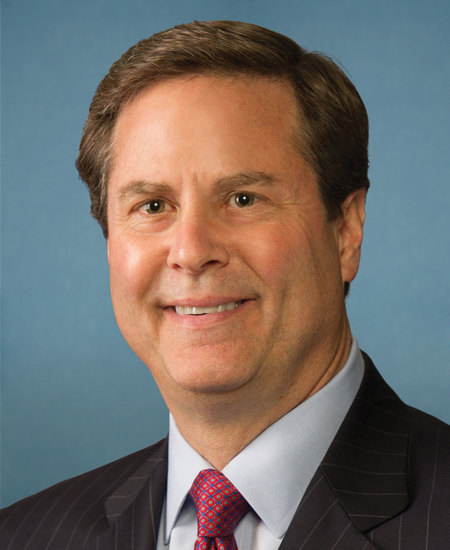
Rep. Donald Norcross
Sponsored bills
Maddy summaryThis bill adjusts health insurance subsidies by modifying the premium tax credit structure under the Internal Revenue Code. It replaces previous income thresholds with a sliding-scale formula, increasing subsidies for households earning between 150% and 400% of the federal poverty level - reducing their required premium payments as income rises within these tiers. The changes apply to tax years beginning after December 31, 2025, directly affecting middle-income individuals and families purchasing coverage through health insurance marketplaces. It also repeals specific provisions from a prior reconciliation law related to health care.
Maddy summaryThis bill removes a barrier preventing most low-income students from accessing SNAP benefits. It amends the Food and Nutrition Act to explicitly allow students enrolled at least half-time in recognized higher education programs to qualify for SNAP, reversing a prior exclusion. The key change eliminates the previous requirement that students meet specific exceptions (now deleted) and adds a new eligibility category under Section 3(m)(5). This directly affects low-income undergraduate and graduate students at colleges and training programs who were previously ineligible. The changes take effect January 2, 2026.
Maddy summaryHR 4763, the PTO Act, requires most employers to provide employees with at least 1 hour of paid annual leave for every 25 hours worked, with a maximum of 80 hours per year. It applies to private-sector workers and certain government employees, protecting their right to use paid leave for any purpose without disclosing the reason. The bill mandates employers to maintain health benefits during leave, allow carryover of up to 40 hours of unused leave, and pay out unused leave upon separation. It also prohibits employers from discriminating against employees for using paid leave or requiring them to find replacements while on leave. The law includes enforcement mechanisms, allowing employees to file complaints with the Department of Labor or pursue private lawsuits.
Maddy summaryThis bill updates the TRICARE Young Adult Program to make healthcare coverage more accessible for military dependents. It directly affects young adults (ages 21-26) who are children of active-duty service members, by eliminating a separate premium they previously paid for coverage. Key changes include removing an extra cost for young adults and adjusting eligibility rules to simplify enrollment. These amendments aim to reduce out-of-pocket expenses and streamline access to health insurance under the program.
Maddy summaryHR 4667, the VISIBLE Act, requires U.S. Immigration and Customs Enforcement (ICE), U.S. Customs and Border Protection (CBP), and other authorized immigration officers to visibly display their agency name and either their last name or unique badge number during all public immigration enforcement activities (such as stops, arrests, raids, or checkpoints). This identification must be clearly legible from 25 feet away on outer clothing, not obscured by gear, and officers cannot wear face coverings that hide their face during public interactions unless for covert operations or hazardous conditions. The bill mandates DHS to discipline non-compliant officers and submit annual reports to Congress detailing enforcement activities, violations, and disciplinary actions. It also directs DHS’s Civil Rights Office to investigate public complaints about noncompliance.
Maddy summaryThe Healthy H2O Act creates a federal grant program to help rural households and small facilities (like child-care centers) install certified water filtration systems that remove health contaminants such as lead, arsenic, and PFAS. Eligible recipients must live in rural areas, have tested water containing contaminants, and meet income limits (under 150% of their state’s median nonmetropolitan household income). Grants cover the cost of purchasing, installing, maintaining, and testing certified point-of-use or point-of-entry filtration systems. The program requires annual reports to Congress analyzing water quality trends, filter effectiveness, and emerging needs in affected communities. This initiative addresses immediate drinking water safety gaps where long-term infrastructure projects cannot yet provide solutions.
Resident Physician Shortage Reduction Act of 2025 This bill increases the number of residency positions eligible for graduate medical education payments under Medicare for qualifying hospitals, including hospitals in rural areas and health professional shortage areas. The bill provides for an additional increase of 2,000 positions per fiscal year from FY2026-FY2032; during this period, each hospital may receive up to 75 additional positions in total under the bill and current law. Additionally, one-third of the positions that are made available under the bill must be allocated to hospitals that are already operating above applicable resident limits. The bill also requires the Government Accountability Office to report on strategies to increase the diversity of the health professional workforce, including with respect to representation from rural, low-income, and minority communities.
Maddy summaryHR 4751 reauthorizes two existing programs under the Virginia Graeme Baker Pool and Spa Safety Act by extending their funding periods. It updates the Swimming Pool Safety Grant Program and Education and Awareness Program to run through fiscal years 2025-2027, instead of ending after 2023. These programs directly affect state and local governments receiving grants for pool safety improvements and entities promoting public awareness about pool safety standards. The bill makes no changes to safety requirements but ensures continued funding for these specific initiatives.
Maddy summaryHR 4734, the "Hands Off Our Social Security Act," prohibits federal actions that would alter Social Security benefits, data handling, workforce levels, office locations, or communication systems without explicit congressional approval. It directly protects Social Security beneficiaries and the Social Security Administration (SSA) by banning unauthorized changes to benefits, data mining, privatization, staff cuts, office closures, or reduced phone/in-person services. Key provisions require Congress to approve any modifications to benefits, workforce reductions, or office closures, and mandate the SSA to maintain existing communication channels. The bill also mandates annual GAO audits to ensure compliance with these restrictions. This legislation focuses on preserving current Social Security operations and access, not creating new benefits or altering eligibility.