

Maddy summaryHR 9109, the IRS Overreach Prevention Act, prohibits the IRS from continuing its Direct File program or developing any successor program that offers free, public electronic tax filing. This bill directly affects taxpayers who might have used the free service, as it prevents the IRS from providing this specific option. The key provision explicitly bans the Secretary of the Treasury from maintaining or creating any free, public electronic return-filing service. The bill does not change tax laws or filing requirements but restricts the IRS’s ability to offer this particular service. It is a procedural measure focused solely on prohibiting the specific program described in the bill text.
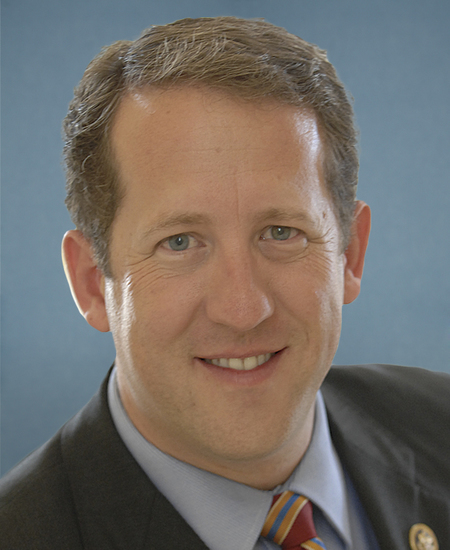
Rep. Adrian Smith
Sponsored bills
Maddy summaryHJRES 148 is a joint resolution seeking to block a Treasury Department rule that would have modified clean vehicle tax credits. The rule, published in the Federal Register on May 6, 2024, aimed to restrict credits for vehicles using critical minerals or battery components sourced from "Foreign Entities of Concern" and to limit credit transfers. This resolution would nullify that rule, preventing it from taking effect and preserving the existing structure of the clean vehicle credit program under Sections 25E and 30D of the tax code. It directly affects electric vehicle buyers, manufacturers, and dealers participating in the federal tax credit program.
Maddy summaryThis resolution (HRES 1363) is a ceremonial tribute honoring Patrick Gottsch, founder of Rural Media Group, Inc. (which operates RFD-TV, The Cowboy Channel, and related media platforms). It recognizes his work founding the first 24-hour rural-focused television network in 2000, which reached over 40 million homes globally and promoted agricultural, equine, and rural lifestyle programming. The resolution commemorates his legacy following his passing on May 18, 2024, and his contributions to rural American media. As a commemorative resolution, it does not create policy changes or affect any individuals or groups.
Maddy summaryHR 9060 extends tax credits for biodiesel and renewable diesel producers and users through 2025, replacing the previous 2024 expiration date. It amends the Internal Revenue Code to extend the biodiesel credit (Section 40A) and biodiesel mixture credit (Section 6426) for fuels sold or used after December 31, 2024. The bill also adds a provision preventing double benefits by requiring the credit amount to be zero for fuels already claiming another credit under Section 45Z(a). This directly affects biodiesel producers, refiners, and businesses using these fuels for tax purposes.
Maddy summaryThis bill modifies U.S. tax depreciation rules for commercial and rental real estate. It changes the standard depreciation period for nonresidential real property (like offices) and residential rental property (like apartment buildings) to 20 years, removing bonus depreciation for these assets. It also creates a "neutral cost recovery" system that adjusts annual tax deductions based on GDP inflation data to maintain consistent tax treatment over time. These changes apply to property placed in service after the bill’s enactment date, affecting commercial property owners and rental investors through revised tax calculations.
Maddy summaryThis bill transfers specific federal lands in Iowa and Nebraska from the Army Corps of Engineers to the Bureau of Indian Affairs, then places those lands into trust for the Winnebago Tribe of Nebraska. The lands, described in detail as Tracts 119, 210, and 113, are declared part of the tribe's historic 1865 reservation under the same terms as the original treaty. The bill explicitly prohibits Class II and Class III gaming on these lands under the Indian Gaming Regulatory Act.
Maddy summaryHJRES 164 is a congressional resolution seeking to block a rule issued by the Department of Commerce regarding firearms license requirements. It directly targets the rule published in the Federal Register (89 Fed. Reg. 34680), which would have revised licensing procedures for firearms dealers. If passed, the resolution would prevent this rule from taking effect by invoking the congressional disapproval process under federal law. The bill does not create new regulations but aims to halt an existing rule affecting gun license applicants and dealers.
Maddy summaryHRES 1323 is a House resolution rejecting a United Nations report that listed the Israel Defense Forces (IDF) as failing to protect children in conflict. It condemns the UN for what the resolution describes as "longstanding bias against Israel" and reaffirms U.S. support for Israel's right to defend itself. The resolution does not alter any laws or policies but expresses congressional opposition to the UN's decision. This procedural resolution has no binding effect and focuses solely on symbolic congressional stance.
Maddy summaryThe Conscience Protection Act of 2024 would strengthen protections for health care providers, facilities, and organizations that refuse to participate in or provide coverage for abortions, assisted suicide, or other procedures conflicting with their religious or moral beliefs. It creates a private right of action allowing individuals or entities to sue when their conscience rights are violated, and requires the Department of Health and Human Services to enforce existing conscience protections through the Office for Civil Rights. The bill prohibits discrimination against health care entities that decline to provide or facilitate these services, while ensuring these protections don't interfere with emergency care requirements under existing law. It also establishes clearer enforcement mechanisms, including the ability to terminate federal funding for non-compliance with conscience protections.
Maddy summaryHR 8693, the "No American Land for Communist China Act," prohibits U.S. citizens or entities from purchasing real estate adjacent to specific federal lands if owned by the Chinese government or businesses with 25%+ Chinese government ownership. It directly affects Chinese government entities and Chinese-owned businesses operating in the U.S., restricting their ability to buy land near protected federal areas. The bill requires the President to take necessary actions to block such purchases, covering lands managed by Interior, Defense, Agriculture (Forest Service), or designated Indian country. This is a policy restriction, not a funding measure, targeting land transactions near sensitive federal properties.