

Stop Harassing Owners of Rifles Today Act or the SHORT Act This bill removes certain short-barreled rifles, short-barreled shotguns, and other weapons from the definition of a firearm for purposes of regulation under the National Firearms Act (NFA). The bill also eliminates certain restrictions that apply to the sale or transportation of such rifles and shotguns in interstate commerce. If a state or local registration or licensing requirement is determined by reference to the NFA, the bill treats persons who acquire or possess a short-barreled rifle, short-barreled shotgun, or other weapon in accordance with the Gun Control Act of 1968 as meeting the registration and licensing requirements. The bill preempts certain state or local laws that tax or regulate these rifles and shotguns. The Bureau of Alcohol, Tobacco, Firearms and Explosives must destroy records relating to the registration, transfer, or manufacture of applicable weapons described by this bill within one year after the enactment of this bill.
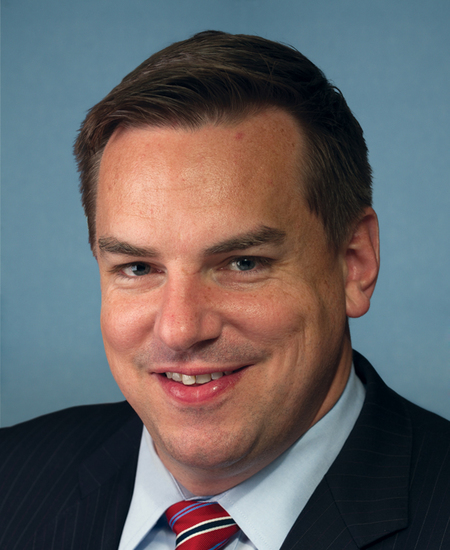
Rep. Richard Hudson
Sponsored bills
RGV Act of 2022 or the Reduce Gun Violence Act of 2022 This bill provides certain resources for schools to increase physical security and access to mental health resources.
Protecting Pain-Capable Unborn Children from Late-Term Abortions Act This bill establishes a new criminal offense for performing or attempting to perform an abortion if the probable gestational age of the fetus is 15 weeks or more. A violator is subject to criminal penalties—a fine, a prison term of up to five years, or both. The bill provides exceptions for an abortion (1) that is necessary to save the life of the pregnant woman, or (2) when the pregnancy is the result of rape or incest. A physician who performs or attempts to perform an abortion under an exception must comply with specified requirements. A woman who undergoes a prohibited abortion may not be prosecuted for violating or conspiring to violate the provisions of this bill.
American Confidence in Elections Act or the ACE Act This bill addresses election administration and security, campaign finance, and other related provisions. Among other provisions, the bill reduces certain election assistance payments for states and local jurisdictions that allow noncitizens to vote in state and local elections, establishes certain requirements related to election and political mail, prohibits foreign nationals from making contributions or donations in connection with state or local ballot initiatives or referenda, repeals certain limits on coordinated party expenditures and aggregate contributions by individuals, terminates the Presidential Election Campaign Fund and requires remaining funds to be transferred to the 10-Year Pediatric Research Initiative Fund, and prohibits the use of federal funds to establish a Disinformation Governance Board.
Shall Not Be Infringed Act This bill repeals the Bipartisan Safer Communities Act, which was signed into law on June 25, 2022. The act makes various changes to federal firearms laws, including to expand background check requirements, broaden the scope of existing restrictions, and establish new criminal offenses. The act also reauthorizes, funds, and supports various programs, grants, and activities to promote access to behavioral and mental health services, enhance school safety and security initiatives, and address gun violence in communities.
Federal Infringements Need Enforcement Act or the FINE Act This bill allows a state attorney general to recover unpaid penalties imposed by the Federal Communications Commission for illegal robocalls and other violations of restrictions on the use of automated telephone equipment.
Secure Every School and Protect Our Nation’s Children Act or the STOP II Act This bill reauthorizes and supports various grants to enhance school safety and security initiatives. It also provides statutory authority for the federal clearinghouse of school safety resources. (The clearinghouse identifies and publishes best practices and recommendations for school safety for use by state and local educational and law enforcement agencies, institutions of higher education, health professionals, and the public.)
Unborn Protection Act This bill creates new federal crimes related to the performance of an abortion on an unborn child based on the results of a laboratory developed prenatal test. The term laboratory developed prenatal test means a type of in vitro diagnostic test that is designed, developed, manufactured, validated, or performed within a single laboratory and is not cleared or approved by the Food and Drug Administration It subjects a violator to criminal penalties—a fine, a prison term of up to five years, or both. It also authorizes civil remedies, including damages and injunctive relief. A woman who undergoes such an abortion may not be prosecuted or held civilly liable.
Telehealth Extension and Evaluation Act This bill expands and otherwise modifies coverage of telehealth services under Medicare until two years after the end of the COVID-19 public health emergency. Specifically, the bill (1) allows federally qualified health centers and rural health clinics to serve as the distant site (i.e., the location of the health care practitioner), (2) allows for Medicare payment of certain audio-only services and of outpatient critical access hospital services consisting of telehealth behavioral therapy, (3) conditions payment for certain high-cost laboratory tests and durable medical equipment that are ordered via telehealth on at least one in-person visit during the preceding 12-month period, and (4) allows Schedule II through V controlled substances to be prescribed online if a practitioner has conducted a telehealth evaluation with video. The bill also generally extends any Medicare telehealth flexibilities that were granted during the COVID-19 public health emergency until two years after the emergency ends. The Centers for Medicare & Medicaid Services (CMS) must report on the effects of changes that were made during the emergency period with respect to the provision or availability of telehealth services under Medicare. The CMS must also award grants to state Medicaid programs to allow them to report on similar information.
Early Migration Alert Program Act or the EMAP Act This bill establishes within the Department of Homeland Security a program to (1) lead the dissemination of information pertaining to the release of non-U.S. nationals ( alien under federal law) from custody, and (2) formalize partnerships with regional stakeholders relating to such information. The bill also requires U.S. Immigration and Customs Enforcement and U.S. Customs and Border Protection to provide certain information to the relevant state and local governments at least 24 hours before releasing a non-U.S. national from custody.