

Maddy summaryHR 45 (FIND Act) requires federal government contractors to certify they do not discriminate against firearm businesses (including manufacturers, dealers, and trade associations) in their policies or practices. The bill mandates that contractors and subcontractors (for contracts over 10% of the prime contract value) certify they have no discriminatory policies and will not adopt them during the contract term. Violations could lead to contract termination and potential debarment. This applies to all federal procurement contracts awarded after the bill's enactment, excluding sole-source contracts. The law aims to ensure firearm businesses are treated equally in government contracting without restricting legitimate business criteria like creditworthiness or legal compliance.
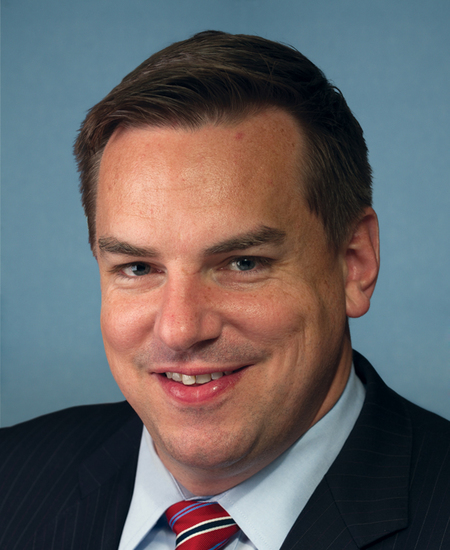
Rep. Richard Hudson
Sponsored bills
Maddy summaryThis bill requires Congress to approve major federal regulations before they take effect. It would mandate that agencies submit detailed reports including cost-benefit analyses, economic impact assessments, and other information to Congress before implementing significant regulations. Major rules - defined as those with at least $100 million annual economic impact or significant effects on costs, competition, or employment - would need a joint resolution of approval from Congress within 70 session days. Nonmajor rules would follow a less stringent disapproval process. The bill aims to increase legislative oversight of the regulatory process, requiring Congress to formally review and approve rules that significantly impact the economy or public regulations.
Maddy summaryHR 196, the Family and Small Business Taxpayer Protection Act, rescinds unobligated funds previously allocated to the Internal Revenue Service (IRS) under the Inflation Reduction Act of 2022. Specifically, it directs the cancellation of unused balances from six specific funding categories within the IRS's budget as of the bill's enactment date. This action reduces the IRS's available funding without creating new tax policies or altering taxpayer obligations. The bill is procedural, focusing solely on redirecting existing, unspent government funds rather than changing tax laws or affecting individual taxpayers directly.
Maddy summaryThis bill designates the U.S. Postal Service facility at 501 Mercer Street Southwest in Wilson, North Carolina, as the "Milton F. Fitch, Sr. Post Office Building." It updates all federal references - such as in laws, maps, and documents - to use this new name for the building. The change applies solely to official federal records and does not alter the building's operations, funding, or services. The bill has no policy impact beyond renaming the facility.
Maddy summaryThe Treat and Reduce Obesity Act of 2023 expands Medicare coverage for obesity treatment by allowing a wider range of healthcare providers - including nurse practitioners, dietitians, psychologists, and community-based counseling programs - to deliver intensive behavioral therapy for obesity, provided they coordinate with primary care providers. It also adds Medicare Part D coverage for medications used to treat obesity or for weight loss management in overweight individuals with related health conditions like diabetes or high blood pressure. These changes directly affect Medicare beneficiaries, particularly older adults (65+), who face higher obesity rates and associated costs, including $50 billion annually in Medicare spending for obesity-related care. The bill requires annual reports to Congress on implementation to improve coordination of obesity care across federal health programs.
Maddy summaryThis bill allows Members of Congress to use Department of Veterans Affairs (VA) facilities for meetings with veterans who are their constituents. It requires the VA Secretary to create regulations within 90 days, ensuring spaces are visible, accessible during business hours, and rented at rates similar to standard office space in the area. The regulations prohibit campaigning, political discussions, photographing patients without consent, and meetings during the 60 days before federal elections. It directly affects veterans seeking congressional assistance and Members of Congress who can now hold constituent meetings at VA locations. The bill does not change VA benefits or services but streamlines access to representatives for veterans.
Maddy summaryThis bill (HR 1753) ensures 310+ female service members who served in specialized cultural support teams (2010-2021, identified by skill codes R2J/5DK) receive proper military records and veterans benefits. It requires the military to include this service in personnel records and count it as combat service for disability claims. Veterans denied benefits for injuries from this service can now file supplemental claims within three years of enactment, with claims treated as if filed on their original claim date. The bill also mandates VA outreach to inform affected veterans and families about this new process.
Maddy summaryThe FOCA Act of 2023 requires federal agencies to stop mandating or banning contractor agreements with labor organizations (like union contracts) in construction project bids and contracts. It directly affects federal contractors, subcontractors, and agencies managing construction projects funded by the government. The bill prohibits favoring or penalizing contractors based on their labor affiliation status, aiming to promote fair competition and reduce costs. It also mandates updates to federal contracting rules within 60 days of enactment to implement these changes.
Maddy summaryThe Lumbee Fairness Act extends full federal recognition to the Lumbee Tribe of North Carolina, granting the Tribe and its members eligibility for all federal services and benefits provided to federally recognized tribes. It designates members residing in Robeson, Cumberland, Hoke, and Scotland counties as living "on or near an Indian reservation" for service delivery purposes. The bill authorizes the Secretary of the Interior to take land into trust for the Tribe and clarifies jurisdictional boundaries with North Carolina regarding tribal lands. These changes directly affect the Lumbee Tribe and its members in specific North Carolina counties, aligning their federal status with other recognized tribes.
Maddy summaryThis bill requires Medicare Advantage plans to implement electronic prior authorization systems by 2027 and publish detailed data on their approval and denial rates for medical services by 2026. It directly affects Medicare Advantage plans (private insurers offering Medicare coverage) and their enrollees (seniors 65+), mandating transparency about prior authorization decisions, processing times, and appeal outcomes. Key provisions include requiring plans to report annual statistics on request approvals/denials, average processing times, and use of technology, with this data published publicly by the Centers for Medicare & Medicaid Services. The bill also sets timelines for plan responses to prior authorization requests and mandates reports to Congress on implementation and impacts.