

Maddy summaryThis bill updates federal nutrition law to include Puerto Rico in the Supplemental Nutrition Assistance Program (SNAP), allowing it to transition from its current funding method to the same SNAP benefits available to U.S. states. Puerto Rico must submit a 180-day plan to the USDA detailing its transition to SNAP, with approval required within another 180 days. The transition period lasts up to 5 years from the bill's effective date, during which Puerto Rico would continue receiving block grants while preparing for full SNAP participation. This change directly affects Puerto Rico's 1.4 million residents who currently receive nutrition assistance under a separate funding structure.
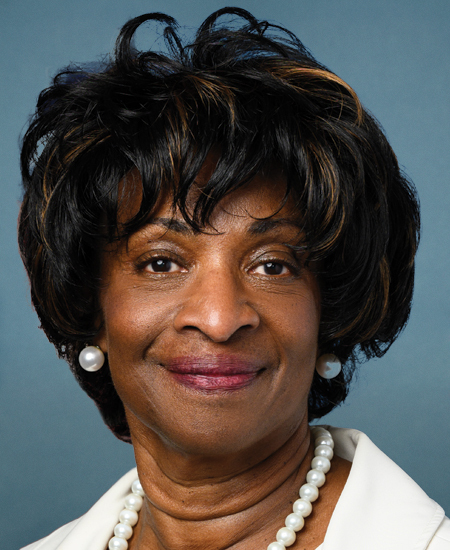
Rep. Valerie P. Foushee
Sponsored bills
Maddy summaryHR 4782, the Local Farmers Feeding our Communities Act, establishes a USDA program to connect local farmers with food distribution networks. It requires eligible entities (like state agriculture agencies) to use funds to purchase unprocessed or minimally processed local foods from covered producers - including at least 25% from small-size, mid-size, beginning, or veteran farmers - while providing technical assistance for food safety and supply chains. The bill allocates $200 million annually (2026-2030) from the Commodity Credit Corporation, mandating 10% for Tribal governments and 1% per state before distributing remaining funds. This directly supports regional food security by boosting economic opportunities for local farmers and improving access to fresh, nutritious food through established distribution channels.
Maddy summaryHR 909, the Crime Victims Fund Stabilization Act of 2025, modifies how funds from the False Claims Act are deposited into the Crime Victims Fund. It specifies that from 2025 through 2029, certain False Claims Act proceeds (specifically those for qui tam plaintiff payments and government damage reimbursements) cannot be deposited into the fund. This change directly affects the composition of the Crime Victims Fund by excluding these specific revenue streams during the specified period. The bill does not create new benefits or alter victim services; it only adjusts fund allocation rules for existing False Claims Act revenues.
Maddy summaryHR 7014 designates Burma for temporary protected status (TPS) under U.S. immigration law, providing eligible Burmese nationals temporary legal status in the U.S. The bill establishes an 18-month TPS period beginning November 25, 2025, for Burmese nationals who have continuously resided in the U.S. since the bill's enactment, are admissible as immigrants (with limited exceptions), and register with Homeland Security. It also requires the Secretary of Homeland Security to grant prior consent for travel abroad for those with emergency circumstances and ensures returning travelers retain their TPS status. This policy change directly affects Burmese nationals meeting these specific criteria, offering temporary protection from deportation.
Maddy summaryThis concurrent resolution (HCONRES 69) commemorates the 15th anniversary of the January 8, 2011, Tucson shooting that killed six people and injured 13, including former Congresswoman Gabby Giffords. It honors the victims, survivors, and Giffords - now a prominent advocate for gun violence prevention - and recognizes her leadership in promoting civility and reducing gun violence. The resolution also commends Tucson residents and first responders for their resilience and reaffirms Congress’s commitment to respectful dialogue and opposing political violence. As a ceremonial resolution, it does not create new laws or policies.
Maddy summaryHR 6980, the NOVA Act of 2026, prohibits the use of federal funds to support U.S. possession, control, or sovereignty over Venezuela's territory or resources, including military deployments there. It allows limited exceptions: the President may acquire Venezuelan property for diplomatic use (with local government approval) or use existing U.S. properties in Venezuela for embassies. The bill does not apply to properties owned by the U.S. before January 1, 2026, and explicitly states it won't affect funding for emergency humanitarian aid. This bill directly affects U.S. government agencies and programs seeking to fund activities related to Venezuela's governance or military presence.
Maddy summaryThis bill would require health insurance plans that cover obstetrical services to also cover a broad range of fertility treatments, including in vitro fertilization, artificial insemination, embryo preservation, and fertility medications. It mandates coverage regardless of whether a person has been diagnosed with infertility, with cost-sharing (deductibles, coinsurance) limited to the same level as other medical services. The law would apply to employer-sponsored health plans, individual insurance, Medicare, Medicaid, TRICARE, and VA benefits, with implementation deadlines ranging from January 1, 2026 for Medicare to January 1, 2027 for notice requirements. The bill also prohibits plans from discouraging fertility treatment or limiting providers who offer it, while ensuring coverage is provided without requiring individuals to undergo treatment.
Maddy summaryHR 4611 (EACH Act of 2025) requires all federally funded health programs - including Medicaid, Medicare, military health plans, and the Indian Health Service - to cover abortion services without restrictions, repealing the Hyde Amendment's long-standing ban on federal funding for most abortions. This directly affects millions of people enrolled in these programs, particularly low-income women, women of color (including 25% of Black women and 22% of Hispanic women on Medicaid), and young people. The bill mandates coverage in all federally administered health plans and prohibits state or private insurers from restricting abortion coverage in health insurance. It aims to eliminate current federal and state barriers that deny abortion access to people who rely on government health programs.
Maddy summaryThe Buy Now, Pay Later Protection Act of 2025 brings "buy now, pay later" (BNPL) loans under federal consumer credit regulations by amending the Truth in Lending Act (TILA). It defines BNPL loans as closed-end retail loans repaid in four or fewer interest-free installments with no finance charge, directly affecting consumers using these payment plans and BNPL lenders. The bill extends existing TILA protections - such as disclosure requirements and consumer defenses against creditors - to BNPL loans, updating references in key sections to include BNPL alongside credit cards. The Consumer Financial Protection Bureau (CFPB) must issue implementing rules within one year, bringing BNPL lenders under federal supervision for the first time.
Maddy summaryThe "Peace Through Strength Against Russia Act of 2025" proposes to significantly expand and strengthen U.S. sanctions against the Russian Federation and its supporters. The bill mandates blocking property and restricting visas for Russian government officials, state-owned financial institutions, and entities supporting Russia's defense industrial base or war efforts in Ukraine, including those involved in kidnapping Ukrainian children. Key provisions prohibit U.S