

Maddy summaryThis bill (HR 1753) ensures 310+ female service members who served in specialized cultural support teams (2010-2021, identified by skill codes R2J/5DK) receive proper military records and veterans benefits. It requires the military to include this service in personnel records and count it as combat service for disability claims. Veterans denied benefits for injuries from this service can now file supplemental claims within three years of enactment, with claims treated as if filed on their original claim date. The bill also mandates VA outreach to inform affected veterans and families about this new process.
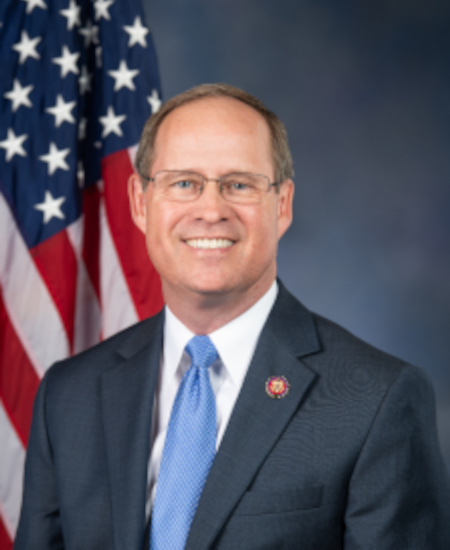
Rep. Gregory F. Murphy
Sponsored bills
Maddy summaryThe FOCA Act of 2023 requires federal agencies to stop mandating or banning contractor agreements with labor organizations (like union contracts) in construction project bids and contracts. It directly affects federal contractors, subcontractors, and agencies managing construction projects funded by the government. The bill prohibits favoring or penalizing contractors based on their labor affiliation status, aiming to promote fair competition and reduce costs. It also mandates updates to federal contracting rules within 60 days of enactment to implement these changes.
Maddy summaryThe Lumbee Fairness Act extends full federal recognition to the Lumbee Tribe of North Carolina, granting the Tribe and its members eligibility for all federal services and benefits provided to federally recognized tribes. It designates members residing in Robeson, Cumberland, Hoke, and Scotland counties as living "on or near an Indian reservation" for service delivery purposes. The bill authorizes the Secretary of the Interior to take land into trust for the Tribe and clarifies jurisdictional boundaries with North Carolina regarding tribal lands. These changes directly affect the Lumbee Tribe and its members in specific North Carolina counties, aligning their federal status with other recognized tribes.
Maddy summaryThis bill exempts diesel-powered emergency vehicles from certain federal air pollution requirements under the Clean Air Act. It specifically applies to vehicles designed for emergency response, including fire suppression, hazardous situation mitigation, and transporting personnel/equipment. The exemption covers both the vehicles and their diesel engines, removing a requirement that would otherwise apply to most diesel vehicles. This change directly affects fire departments, police, and emergency medical services that operate diesel emergency vehicles. The bill modifies existing Clean Air Act provisions to create this specific exception.
Maddy summaryThis bill changes Medicare payment rules for specific high-cost surgical procedures performed in physicians' offices (not ambulatory surgical centers) starting in 2025. It requires Medicare to pay 90% of the amount it would pay for the same procedure in an ambulatory surgical center, rather than the current lower rate for office settings. The bill also caps patient coinsurance for these procedures at the inpatient hospital deductible amount and defines "specified high supply cost surgical procedures" based on HCPCS codes for surgeries involving medical supplies costing over $500. These changes directly affect physician offices performing qualifying procedures and Medicare beneficiaries receiving such care.
Maddy summaryThis bill extends Medicare payment adjustments for physicians and other practitioners through 2025 instead of ending in 2024. It specifically adds a 4.73% payment increase for services provided between January 1, 2025, and January 1, 2026. The legislation modifies existing Medicare payment rules to stabilize practice revenues during transition periods. It directly affects doctors and healthcare providers who bill Medicare for patient services. The key change is the extended timeframe and the defined 4.73% rate for the 2025-2026 period.
Maddy summaryHR 9778, the PAVE Act, requires Medicare to include penicillin allergy verification during routine preventive exams and annual wellness visits for seniors aged 65 and older. The bill mandates identifying patients with self-reported penicillin allergies, assessing whether their history indicates a true allergy, explaining the health risks of a false label, and referring to specialists when needed. This applies to Medicare-covered visits starting January 1, 2025, directly affecting seniors with penicillin allergy labels in their medical records. The goal is to correct false allergies - supported by evidence showing over 90% of such labels are inaccurate - improving treatment options and reducing unnecessary healthcare costs.
Maddy summaryThis bill increases penalties for group health plans and health insurance issuers that violate balance billing requirements, raising fines from $100 to $10,000 per violation for specific provisions. It also imposes new penalties for late payment or non-payment after an Independent Dispute Resolution (IDR) determination, requiring plans to pay three times the difference between the initial payment and the out-of-network rate, plus interest. The bill mandates transparency reporting where the Secretary must annually report on audits conducted, enforcement actions taken, and civil penalties issued. These provisions apply to both standard health coverage and air ambulance services, aiming to strengthen enforcement of balance billing rules.
Maddy summaryThe University Accountability Act imposes penalties on tax-exempt universities found in federal court to have violated Title VI of the Civil Rights Act of 1964, requiring them to pay $100,000 or 5% of their administrative compensation per violation. It mandates the IRS to review the tax-exempt status of institutions with more than two such violations and requires these institutions to report civil rights violations on their tax returns. If a violation determination is overturned, the penalty must be refunded. The bill applies to most public and private universities that are tax-exempt under federal law, directly affecting their financial obligations and reporting requirements.
Maddy summaryThis bill would allow individuals to deduct membership costs in health care sharing ministries as medical expenses on their federal income taxes, starting in 2025. It directly affects members of these ministries - organizations that share medical costs among members but are not traditional insurance. The bill amends tax law to explicitly include ministry membership fees and shared medical expenses in deductible medical costs, while clarifying these ministries are not treated as health insurance. This change provides a tax benefit for members without altering how the ministries operate.