

Maddy summaryHR 765, the African American History Act, authorizes $2 million annually for the National Museum of African American History and Culture to develop educational resources and programs about African American history. The bill directs the museum to create accessible teaching materials, support teacher professional development, and expand digital content for schools and the public, focusing on contributions, civil rights, and historical contexts. It requires annual reports to Congress and expires in 2028. The program directly supports educators, students, and families in learning about African American history through museums, schools, and online platforms.
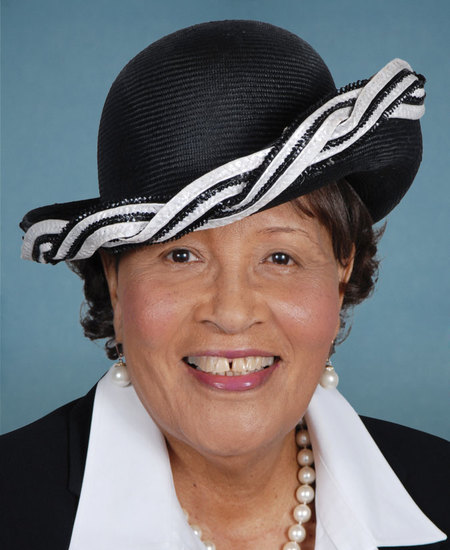
Rep. Alma S. Adams
Sponsored bills
Maddy summaryThis House Resolution (HRES 88) is a symbolic recognition of the Greensboro Four sit-in, which occurred on February 1, 1960, at a Woolworth's lunch counter in Greensboro, North Carolina. It commemorates the 63rd anniversary of this event during Black History Month, honoring the students' role in sparking nationwide civil rights protests. The resolution encourages schools to include the Greensboro Four's history and contributions in their educational curricula. As a commemorative resolution, it does not create new laws or affect specific policies or individuals.
Maddy summaryHR 715, the Bipartisan Background Checks Act of 2023, requires background checks for all firearm transfers between private individuals, not just those through licensed dealers. It mandates that unlicensed sellers must involve a licensed dealer to conduct a background check before transferring a firearm, with exceptions for family transfers (like spouses or parents/children), law enforcement, temporary safety transfers, and certain hunting or range activities. The bill also requires licensed dealers to provide a notice and certification form in both English and Spanish to buyers. It explicitly states it won't create a national gun registry or override state laws on the same topic. The law would take effect 180 days after enactment.
Maddy summaryHR 727 establishes a 12-member National Council on African American History and Culture within the National Endowment for the Humanities (NEH). The Council, appointed by the President with Senate consent, advises the NEH on preserving and celebrating African-American history and culture. Its key duties include evaluating NEH programs, gathering information on cultural trends, developing national policy recommendations, and submitting annual reports to the NEH Chair. The Council terminates 10 years after the bill's enactment, with members serving five-year terms (initially staggered) and receiving partial compensation for their service.
Maddy summaryThis bill amends the Elementary and Secondary Education Act to require that Black history be included in all federally supported American history and civics education programs. It directly affects K-12 public schools receiving federal education funding by mandating that curriculum frameworks, teacher training, and national assessments explicitly incorporate Black history as part of American history. The key mechanism is adding "which shall include Black history" to existing provisions across multiple sections of the law, including classroom instruction, teacher academies, and national assessments. This change ensures Black history is integrated into established educational standards rather than creating new programs.
Maddy summaryHR 694, the Job Protection Act, expands access to family and medical leave under the FMLA by reducing eligibility requirements. It lowers the required employment period from 12 months to 90 days for most workers and removes the 50-employee threshold, requiring all employers (including small businesses with one or more employees) to provide leave. Federal, presidential, and congressional employees also see their eligibility thresholds reduced to 90 days. The bill directly affects millions of private-sector workers and small businesses nationwide by making existing leave protections more widely available. It makes no changes to leave duration or pay, only to who qualifies and which employers must comply.
Maddy summaryHR 709, the Muhammad Ali Congressional Gold Medal Act, authorizes Congress to award Muhammad Ali a gold medal in recognition of his life and achievements. The bill directs the Secretary of the Treasury to strike a gold medal for presentation by congressional leaders, which will then be given to Ali's widow, Lonnie Ali. Duplicate bronze medals may be sold to cover production costs, with proceeds deposited into the U.S. Mint fund. This is a commemorative measure, not a policy change affecting laws or programs.
Maddy summaryThe Justice for All Act of 2023 restores private rights to challenge discrimination that has a disparate impact under civil rights laws, which was limited by a 2001 Supreme Court decision. It clarifies the standard for demonstrating disparate impact and requires entities to show policies are necessary for nondiscriminatory goals, while expanding protections for LGBTQ+ individuals in public accommodations and banning mandatory arbitration for civil rights disputes. The bill directly affects individuals who experience discrimination, covered entities like schools and government agencies, and businesses receiving federal funding. It aims to strengthen civil rights enforcement by making it easier to seek remedies in court for discriminatory practices.
Maddy summaryHR 660, "Ethan's Law," requires gun owners in homes where minors (under 18) or individuals prohibited from owning firearms under federal/state law reside to store firearms securely. It makes unsecured storage unlawful if a minor or prohibited person could access the firearm, with fines of $500 per violation and enhanced penalties (up to 5 years in prison) if injury or death occurs. The bill also establishes a federal grant program to help states implement similar secure storage laws and provides funding incentives for states that already have such laws in place.
Maddy summaryThis bill amends the Higher Education Act to allow colleges to use Federal Work-Study funds to pay college students for tutoring and mentoring in after-school programs at public elementary and secondary schools. It requires colleges to prioritize schools in low-income communities and establishes a registration process for schools to participate. Key provisions include expanding work-study funding to cover after-school activities (like tutoring), allowing federal funding to exceed 75% of student compensation, and requiring training for students providing these services. The policy directly affects participating colleges, K-12 schools, and college students working in these programs.