

Maddy summaryThis bill establishes federal worker heat protection standards to prevent heat-related illness and injury. It requires employers to provide a workplace free from heat stress hazards, including access to cool water, scheduled rest breaks, shaded cooling areas, and training on heat illness symptoms. The Secretary of Labor must create these standards within one year, incorporating evidence-based practices like engineering controls (e.g., ventilation), administrative measures (e.g., adjusted schedules), and employer-paid personal protective equipment. The law directly affects all employers in high-heat work environments - such as construction, agriculture, and manufacturing - and strengthens whistleblower protections for workers reporting safety violations.
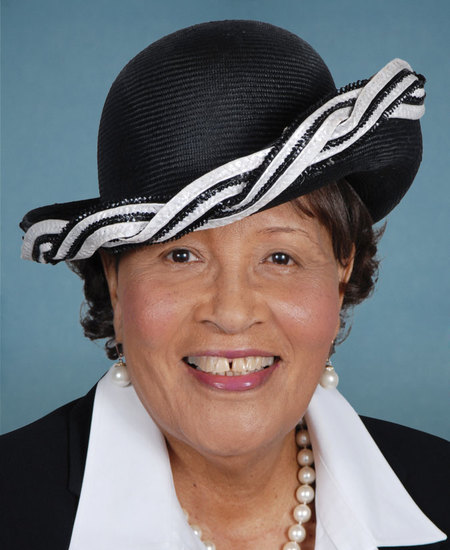
Rep. Alma S. Adams
Sponsored bills
Maddy summaryThe Cool Corridors Act of 2025 expands the existing Healthy Streets program to fund tree planting, shade structures, and green infrastructure along transportation corridors - like bus stops, transit hubs, and school zones - to reduce heat exposure. It directly affects communities facing extreme heat and limited tree canopy (especially low-income or historically underserved areas), as well as state/local transit agencies, schools, and environmental groups. Key provisions include requiring projects to prioritize heat-vulnerable regions, mandate annual reporting on temperature reduction and equity outcomes, and ensure tree planting doesn’t obstruct traffic safety. The bill also extends program funding through 2030 and mandates coordination with agencies like the EPA and Forest Service.
Maddy summaryThe Child Care for Working Families Act creates a federal program to provide affordable, high-quality child care for working families with children under age 6. It would provide direct child care assistance through certificates or grants to parents, with no copayment required for families at or below 85% of state median income. The program requires states to implement quality standards for child care providers, including a tiered quality system and minimum wage requirements for staff (at least a living wage equivalent to elementary educators). The bill appropriates $20 billion for the program over five years, with additional funding for quality improvement initiatives and universal preschool services.
Maddy summaryHR 4396, the Uterine Cancer Study Act of 2025, mandates a study by the Department of Health and Human Services (HHS) into the potential link between chemical hair straighteners and uterine cancer, with a specific focus on higher incidence rates among women of color. The study will review existing research, examine impacts across all racial and ethnic groups, analyze different hair straightener types (including those with dyes or bleach), and assess whether the FDA should require additional safety testing for these products. HHS must submit its study methodology within 45 days of the bill's enactment, begin the study within 180 days, and deliver a final report to Congress within two years. This bill does not create new regulations but directs a specific research effort to gather evidence on a potential health concern. The study directly affects women, particularly women of color, who use hair straightening products and may face elevated uterine cancer risks.
Maddy summaryThis bill directs the Department of Health and Human Services to significantly increase federal research funding for uterine fibroids ($30 million annually from 2026-2030), expand coordination of NIH research, and establish a Medicaid data system to track treatment access and costs. It mandates public education on fibroid symptoms, prevalence (especially among Black women, who face higher risk and severity), and non-hysterectomy treatment options. The bill also requires disseminating evidence-based provider resources on managing fibroids while preserving fertility. These provisions directly affect the estimated 26 million U.S. women with fibroids - particularly women of color - and aim to address the current lack of research and treatment data.
Maddy summaryThis bill directs the Health and Human Services Secretary to fund research on early detection and intervention for uterine fibroids, aiming to develop evidence-based approaches for healthcare settings. It authorizes grants to states to support screening (including advanced imaging), patient navigation services, and public education campaigns focused on early detection, with priority given to areas with socially vulnerable populations at higher risk. The bill also funds research into disparities in pain management during fibroid surgery and conditions like Asherman’s Syndrome. These provisions directly affect women with uterine fibroids, particularly in underserved communities, by expanding access to early detection services and targeted research.
Maddy summaryHCONRES 42 is a symbolic congressional resolution recognizing the persistent wage gap between Black women and White, non-Hispanic men in the U.S. It highlights that Black women earn 66 cents for every dollar earned by White, non-Hispanic men working full-time year-round, with the gap taking over 200 years to close at current rates. The resolution emphasizes how this disparity - rooted in both racial and gender discrimination - impacts Black women’s ability to afford essentials like education, childcare, and housing. It does not create new laws or policies but formally acknowledges the issue on Black Women’s Equal Pay Day (July 10, 2025) and reaffirms support for equal pay.
Maddy summaryThis bill requires the FDA's Office of Food Chemical Safety to reassess the safety of at least 10 food additives or related substances every three years starting in 2026. It specifically prioritizes substances like titanium dioxide, red dye 40, BHA, BHT, and sodium nitrite for initial review. If reassessments find substances unsafe, the FDA must update regulations, revoke approvals, or require new pre-market notifications. The law affects food manufacturers by mandating regular safety reviews of additives already in use, with results made public through FDA notices.
Maddy summaryHRES 550 is a non-binding House resolution recognizing June 2025 as LGBTQIA+ Pride Month. It formally encourages all U.S. citizens to celebrate Pride Month to learn about LGBTQIA+ history, including the Stonewall Inn and Compton's Cafeteria uprisings. The resolution affirms that LGBTQIA+ rights are human rights and emphasizes the ongoing struggle for equality. It has no legal effect but serves as a symbolic statement of support for the LGBTQIA+ community and its history.
Maddy summaryThe CONNECT for Health Act of 2025 expands Medicare telehealth coverage by removing geographic restrictions that limited where patients could receive care, expanding the types of health care providers who can offer telehealth services, and eliminating the requirement for an in-person visit before receiving telemental health services. The bill includes specific provisions to support telehealth use for Native American health facilities, rural health clinics, and Federally Qualified Health Centers. It requires the Centers for Medicare & Medicaid Services to collect and publish data on telehealth usage and impacts, and to develop resources to improve accessibility for people with disabilities and limited English proficiency. Program integrity measures are added to monitor telehealth billing practices and prevent fraud while maintaining coverage for telehealth services during public health emergencies.