

Maddy summaryThis bill amends the tax code to permanently establish a 7-year depreciation period for motorsports entertainment complexes, replacing a temporary provision. It directly affects businesses operating these facilities by allowing them to deduct the cost of qualifying assets over seven years instead of a shorter period. The key change is removing a temporary rule (subparagraph D) from the tax code, making the longer recovery period permanent for these specific properties. The bill focuses solely on clarifying and extending this tax treatment without additional policy changes.
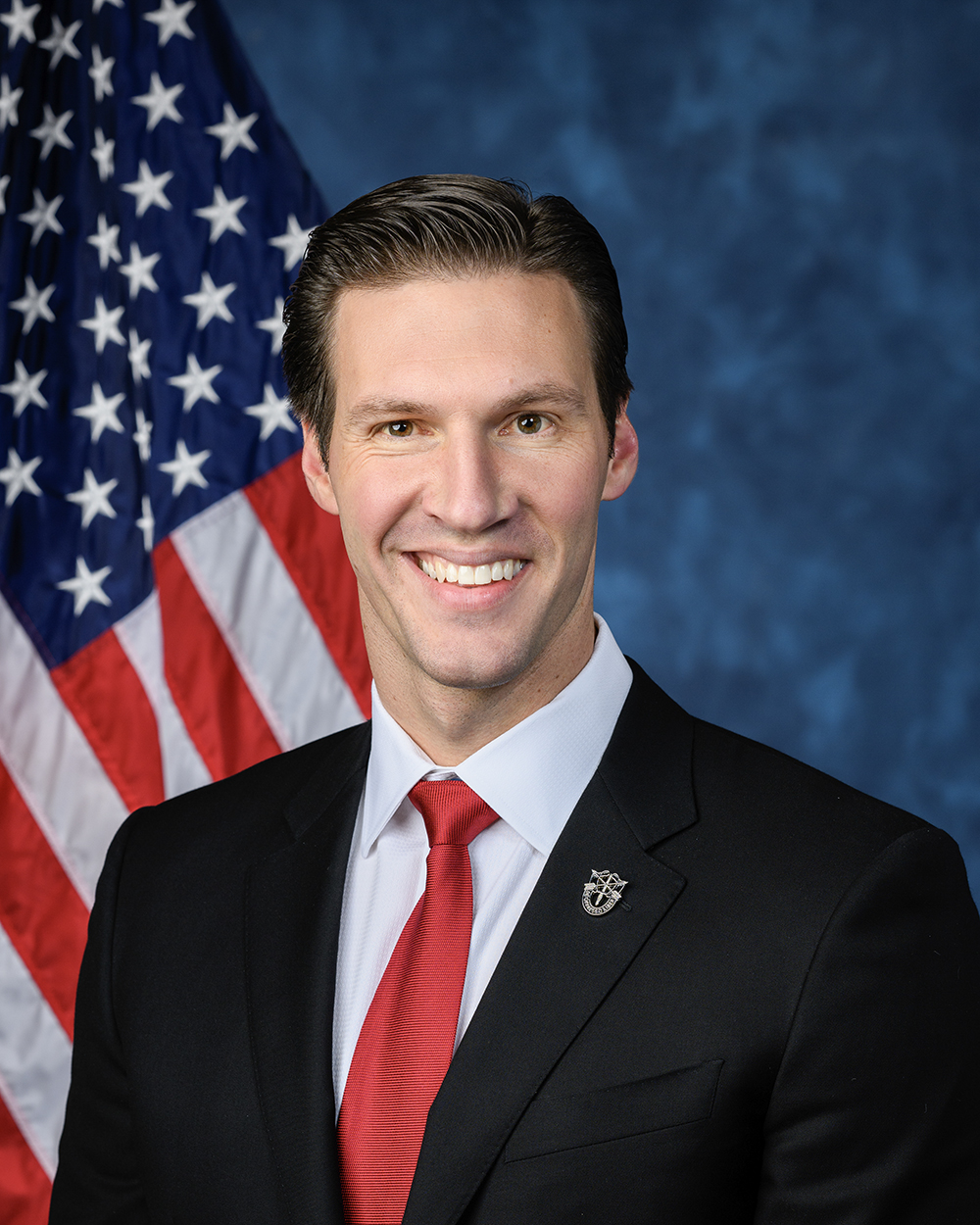
Rep. Pat Harrigan
Sponsored bills
Maddy summaryHR 2217, the Down East Remembrance Act, designates six specific creeks in North Carolina with new names honoring individuals, using precise geographic coordinates for each location. The bill updates all official federal references (including maps, laws, and documents) to these creeks to reflect their new names. This is a commemorative measure with no policy changes, directly affecting only the designated geographic areas and federal records referencing them.
Maddy summaryThe Stop CCP VISAs Act of 2025 would prohibit U.S. visas for Chinese citizens seeking to study or conduct research in the United States. It specifically blocks the issuance of F-1 (academic student), J-1 (exchange visitor), and M-1 (vocational student) visas for these purposes. This bill directly affects Chinese nationals who otherwise qualify for these student visa categories at U.S. educational institutions. The policy change would amend immigration law to implement this visa ban.
Maddy summaryHR 2081, the Donut Dollies Congressional Gold Medal Act, authorizes a Congressional Gold Medal to honor the 627 women who served as Red Cross volunteers in the Supplemental Recreation Activities Overseas (SRAO) program during the Vietnam War. The bill directs the Treasury Secretary to design and strike the medal, which will be presented by Congress and then given to the Smithsonian Institution for display. It also allows the sale of bronze duplicates to cover costs, with proceeds going to the U.S. Mint fund. This commemorative act recognizes the volunteers' service supporting over 280,000 troops through recreation programs across Vietnam from 1965 to 1973.
Maddy summaryThis bill changes how individual investors in mutual funds (regulated investment companies) are taxed on certain dividends. It allows investors to defer paying tax on capital gain dividends that are automatically reinvested in additional fund shares through a dividend reinvestment plan. The deferred tax is recognized later when the investor sells shares or upon their death. It also establishes that shares acquired through this reinvestment are treated as held for over one year from the start, potentially qualifying for long-term capital gains rates. The rule applies only to individual investors (not estates, trusts, or dependents claimed by others).
Maddy summaryHR 2083, the Veterans First Act of 2025, redirects $2 billion from unobligated USAID funds to the Department of Veterans Affairs. This funding provides grants to states for constructing, remodeling, or modifying state-run nursing homes and domiciliary facilities that care for veterans. The bill directly affects veterans receiving care in these state facilities and the states operating them. Key provisions include permanently rescinding $2 billion from USAID and appropriating it specifically for physical infrastructure improvements at veteran care facilities under federal authorization.
Maddy summaryHR 2054, the VOTE Act, would prevent states from receiving federal funds for administering federal elections if they provide ballots in any language other than English. It amends the Voting Rights Act by removing current requirements that allow states to provide bilingual ballots in certain areas, eliminating the prohibition on English-only ballots for federal elections. This directly affects states that currently offer ballots in non-English languages to comply with federal language access rules. The bill changes the policy by making federal election funding contingent solely on using English ballots, without requiring multilingual options.
Maddy summaryHR 2065, the Unmasking Hamas Act of 2025, would make it a federal crime to injure, threaten, or intimidate someone while wearing a disguise (including a mask) in order to interfere with their exercise of constitutional or legal rights. It would impose fines or up to 15 years in prison for such acts, and add a mandatory 2-year prison term for property destruction committed while masked. The bill directly affects individuals who wear masks during protests or demonstrations that disrupt protected rights or damage property, applying to all locations under federal jurisdiction. The law focuses on criminalizing masked conduct that interferes with rights or property, not on the specific content of protests.
Maddy summaryThis bill prohibits federal funding, support, or approval for research using human fetal tissue obtained from induced abortions. It allows research on tissue from miscarriages (under 20 weeks) or stillbirths (20+ weeks) under existing Public Health Service Act rules, and permits development of new cell lines for vaccines or genetic vectors if not derived from abortion tissue. The bill amends the Public Health Service Act to restrict federal research to tissue from miscarriages or stillbirths and clarifies definitions for terms like "miscarriage" and "stillbirth." It directly affects federal agencies like the NIH and researchers relying on federal grants for biomedical studies.
Maddy summaryThe BITCOIN Act of 2025 directs the U.S. Treasury to establish a "Strategic Bitcoin Reserve" for securely storing government-held Bitcoin. It mandates purchasing 1,000,000 Bitcoins over five years (200,000 annually), requiring all acquired Bitcoin - including through federal agency transfers or forfeitures - to be held in this reserve for a minimum of 20 years without sale. The bill also requires the Treasury to manage digital assets from Bitcoin forks or airdrops for five years before potentially selling non-dominant assets, while implementing strict security protocols and quarterly public transparency reports. Funding for the purchase program will come from Federal Reserve remittances and gold certificate adjustments, with no impact on private citizens' Bitcoin ownership rights under Section 10.