

Maddy summaryHR 5521, the Peace Corps Volunteers Congressional Gold Medal Act of 2025, authorizes a single Congressional Gold Medal to be awarded to the Peace Corps organization. The medal recognizes all volunteers who served between August 1961 and December 2026, commemorating their 65-year contributions to global development and international relations. The award, to be presented by September 22, 2026, will be displayed at Peace Corps headquarters and other relevant locations. This symbolic honor acknowledges volunteers' work in sectors like education, health, and community development across 140+ countries.
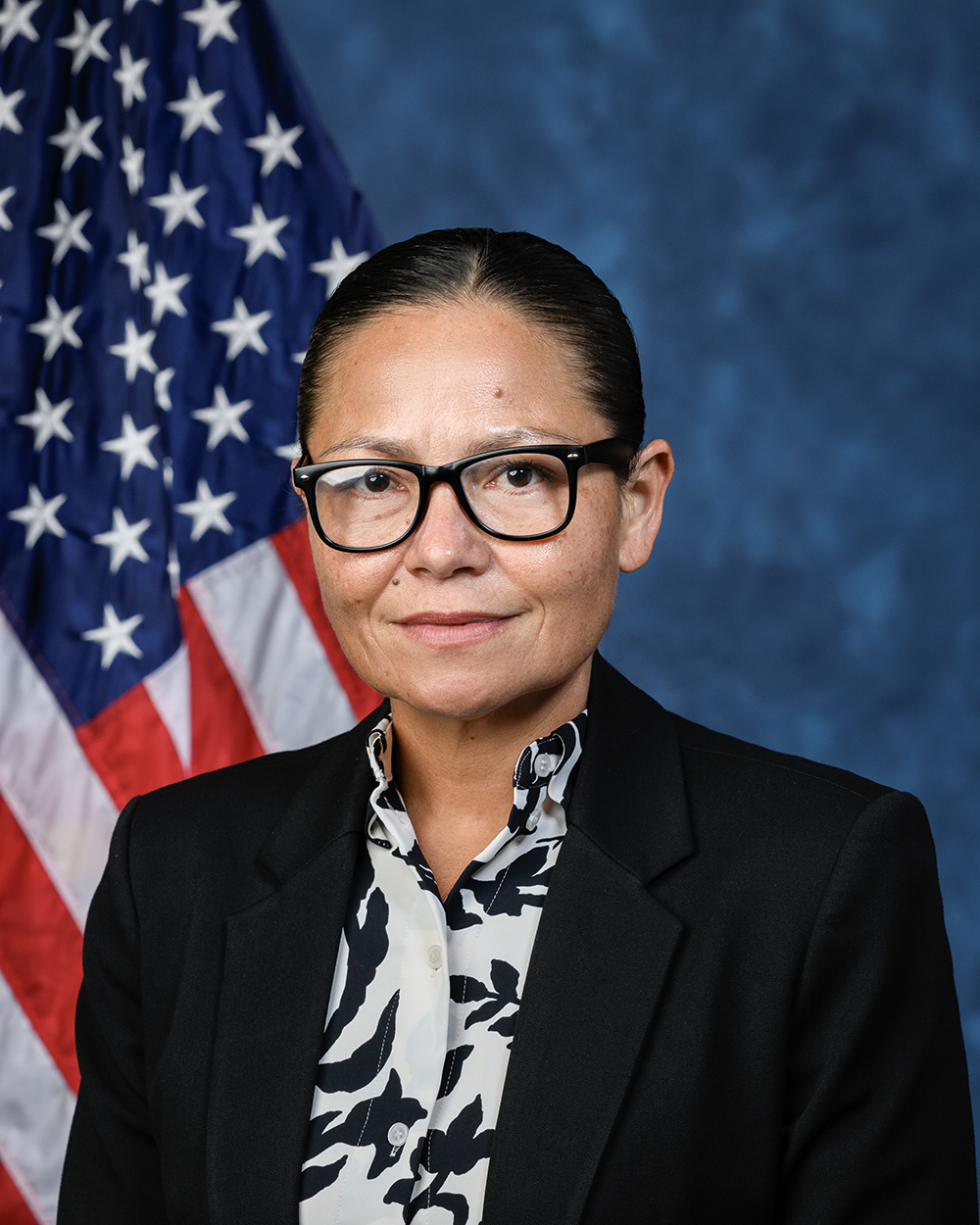
Rep. Kimberlyn King-Hinds
Sponsored bills
Maddy summaryHRES 729 is a symbolic resolution designating September 17, 2025, as "Constitution Day" to honor the 250th anniversary of the U.S. Constitution's signing (September 17, 1787). It does not create new laws or affect any specific group; instead, it urges the American public to observe the day with ceremonies and activities. The resolution emphasizes the Constitution's historical significance and its role in establishing American democracy. As a commemorative measure, it has no binding effect on policy or governance.
Maddy summaryHRES 723 is a ceremonial resolution recognizing the 180th anniversary of the United States Naval Academy, established on October 10, 2025. It formally commemorates the Academy's founding, historical contributions, and legacy of producing naval and marine leadership. The resolution highlights the Academy's role in educating graduates who have served in major conflicts, earned military honors, and held significant national leadership positions. As a symbolic gesture with no policy changes or direct impact on constituents, it serves solely to honor the institution's history and ongoing mission.
Maddy summaryHR 5401, the Pay Our Troops Act of 2026, ensures military personnel, civilian Defense workers, and supporting contractors receive pay during government funding gaps in fiscal year 2026. It appropriates emergency funds for active-duty service members, reserves, and their supporting personnel (including Coast Guard staff under DHS) if regular appropriations aren't enacted by the end of the fiscal year. The bill provides necessary pay and allowances during any period when full-year funding is unavailable, covering both active service and support roles. Funding expires when regular appropriations are passed, a funding resolution is enacted, or January 1, 2027, whichever comes first. This is a procedural measure to prevent pay delays for military and support staff during fiscal year 2026 funding lapses.
Maddy summaryHR 5403, the Enhancing COPS Hiring Program Grants for Local Law Enforcement Act, amends federal law to allow local law enforcement agencies facing officer recruitment shortages or high turnover to use COPS Program grants for recruitment and retention bonuses. The bill specifically adds a new provision (25) to the grant program, enabling agencies to fund bonuses for hiring or keeping officers when they experience declining recruitment or elevated retirements/resignations. This change directly affects eligible local police departments seeking to address staffing challenges through existing federal funding. The key mechanism expands the permitted uses of COPS grants to include performance-based bonuses, without creating new funding streams. The bill focuses on practical tools for agencies struggling to maintain staffing levels.
Maddy summaryThe Territory Health Revitalization Act (HR 5409) amends the Social Security Act to increase health funding for U.S. territories. It requires 5% of certain federal funds to be reserved for territories (like Puerto Rico, Guam, and the Northern Mariana Islands) instead of just the 50 states and D.C., and guarantees at least two grants to territory-based organizations each year. The bill removes a barrier that previously excluded the Northern Mariana Islands from eligibility. These changes take effect on October 1, 2025, directly affecting health programs in U.S. territories.
Maddy summaryHR 5100 extends the Small Business Innovation Research (SBIR) and Small Business Technology Transfer (STTR) programs through fiscal year 2026, instead of ending on September 30, 2025. This bill directly affects small businesses and research institutions that rely on federal funding for research and development through these programs. The key mechanism is updating expiration dates across multiple program provisions in the Small Business Act to maintain funding authority and program operations for one additional year. The extension does not alter program eligibility, funding levels, or core requirements.
Maddy summaryThis bill creates a program to assign traveling physicians to provide healthcare services to veterans residing in U.S. territories, including Puerto Rico, Guam, American Samoa, and the U.S. Virgin Islands. It allows the Department of Veterans Affairs (VA) to assign physicians for up to one year at VA facilities in these territories, requiring coordination with local medical providers to ensure quality care. Physicians assigned under this program would receive a relocation or retention bonus similar to existing federal employee incentives. The bill directly affects veterans in U.S. territories and VA healthcare operations there.
Maddy summaryThe Mental Health in Aviation Act of 2025 requires the Federal Aviation Administration (FAA) to update regulations within two years to encourage pilots and air traffic controllers to seek mental health care and disclose conditions without fear of losing medical clearance. It mandates annual reviews to improve the medical clearance process for mental health conditions - such as approving additional safe medications, enhancing examiner training, and reducing backlogs - and allocates $13.74 million yearly (2026-2029) to hire more aviation medical examiners. The bill also directs the FAA to implement recommendations from a mental health rulemaking committee and fund a public campaign to reduce stigma around mental health care in aviation. These provisions aim to support aviation workers' well-being while streamlining safety-related medical evaluations.
Maddy summaryHRES 670 is a symbolic resolution (not a law) expressing congressional support for designating September 22 as "National Military and Veterans Suicide Awareness Day." It aims to raise public awareness about mental health challenges and suicide prevention within military service members and veterans, acknowledging their sacrifices and the need to reduce stigma around seeking help. The resolution does not create new programs, allocate funding, or change existing policies - it simply encourages national attention during Suicide Prevention Awareness Month in September. This designation directly affects the military and veteran communities by promoting dialogue about their mental health needs.