

Maddy summaryThe Comprehensive Cancer Survivorship Act (HR 4363) establishes new Medicare and Medicaid coverage for cancer care planning and coordination services, requiring personalized survivorship care plans for cancer survivors from diagnosis through the end of life. The bill creates a demonstration program to test different models of survivorship care, including navigation services to help survivors transition from cancer treatment to ongoing care, and mandates Medicaid coverage for cancer fertility services. It also establishes a comprehensive cancer survivorship program with resource centers for survivors and health care providers, and includes provisions to help cancer survivors overcome employment barriers and improve their quality of life through physical activity and mental health support. The legislation specifically addresses disparities in care for racial/ethnic minorities, lower socioeconomic groups, and rural populations who face unique challenges as cancer survivors.
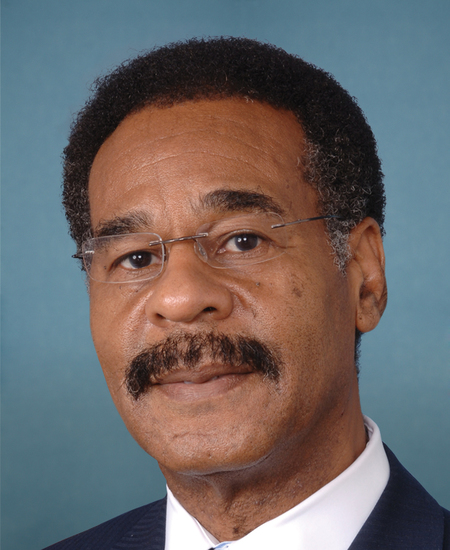
Rep. Emanuel Cleaver
Sponsored bills
Maddy summaryHR 4282, the Equality for Families with Disabilities Act, requires states to develop customized support plans for parents, caregivers, foster parents, and adoptive parents with disabilities who interact with child welfare systems. It mandates individualized parenting assessments (based on personal strengths and evidence, not stereotypes) and disability-informed training for child welfare agencies and courts. The bill directly affects individuals with disabilities in these caregiving roles, ensuring they receive equal access to services and fair treatment during child welfare proceedings. Key mechanisms include revised state plans, mandatory staff training on disability rights, and new reporting requirements to Congress on implementation outcomes. These changes aim to replace generalized assumptions with concrete, evidence-based support within existing federal child welfare frameworks.
Maddy summaryThe ARC Act of 2023 establishes a national program to address peripheral artery disease (PAD), which disproportionately affects minority populations and leads to avoidable amputations. The bill requires Medicare and Medicaid to cover PAD screening tests (such as ankle-brachial index testing) for at-risk beneficiaries without cost-sharing, including people 65+ or those with diabetes, smoking history, or other risk factors. It authorizes $6 million annually for a CDC-led education program to inform healthcare providers and the public about PAD prevention and treatment. The bill also creates quality measures to encourage alternative treatments to amputation and establishes a pilot program to test amputation prevention services at healthcare facilities. These provisions aim to reduce amputation rates and improve outcomes for millions of Americans with PAD.
Maddy summaryHR 4195, the Empowering Parents’ Healthcare Choices Act of 2021, allows parents to choose which health insurance plan covers their child when both parents have separate, qualifying coverage (e.g., individual policies or employer-sponsored group plans). Specifically, parents must submit a joint notification within 60 days of the child’s birth to designate one plan as primary coverage. This choice remains in effect until parents revoke it or one parent loses coverage under their plan. The bill applies to children born on or after January 1, 2022, and affects families with dual coverage, insurance issuers, and group health plans.
Maddy summaryThe LIFT the BAR Act removes barriers preventing lawfully present noncitizens from accessing federal benefits like food assistance, Medicaid, and school meals. It repeals specific 1996 welfare law provisions that excluded noncitizens and updates terminology to replace "alien" with "noncitizen" throughout federal law. The bill expands eligibility to include noncitizens in categories such as Deferred Action for Childhood Arrivals (DACA) recipients, individuals with special immigrant juvenile status, and those with pending U-visa applications. This change ensures more noncitizens lawfully present in the U.S. can access essential services without being denied based on immigration status.
Maddy summaryHR 4034 would add cranial prostheses (such as medical wigs) to Medicare's list of covered durable medical equipment. It requires a dermatologist, oncologist, or attending physician to certify in writing that the prosthesis is medically necessary as part of rehabilitative treatment. This change directly affects Medicare beneficiaries experiencing hair loss due to medical conditions like cancer treatment who need these prostheses for health reasons. The bill does not cover cosmetic wigs but specifically targets medically necessary cranial prostheses under existing Medicare coverage rules.
Maddy summaryThe FAMILY Act (HR 3481) would establish a national paid family and medical leave insurance program administered by the Social Security Administration. Eligible workers would receive wage replacement benefits (up to 85% of average earnings, with a maximum of $4,000 monthly) for up to 60 caregiving days per 12-month benefit period for qualifying reasons like caring for a sick family member, personal serious health conditions, or responding to domestic violence. The program would be funded through 0.2% payroll taxes from employees and employers (with self-employed individuals paying 0.4%), with benefits coordinated with existing state programs. The law includes protections against employer retaliation for taking leave and requires employers to maintain health coverage during leave periods.
Maddy summaryHR 3443, the Foster Youth Mentoring Act of 2023, creates a federal grant program to fund structured mentoring programs for youth in foster care and those who have aged out of foster care (under age 26). The bill authorizes $50 million annually for grants to eligible organizations (like nonprofits, state agencies, or tribes) to establish or expand mentoring that provides consistent, year-long relationships focused on academic support, emotional development, and transition to adulthood. Key requirements include mandatory mentor training on trauma, cultural competence, and child welfare coordination, along with strict background checks and recruitment strategies to reflect the diversity of youth served. The program directly affects approximately 443,000 youth in foster care (per 2017 data) and aims to improve their educational outcomes, reduce school absences, and build supportive connections through evidence-based mentoring.
Maddy summaryThe Medicare for All Act would establish a single-payer national health insurance program providing comprehensive coverage to all U.S. residents without cost-sharing. It would replace current private insurance and government programs like Medicare and Medicaid with a unified system covering all medically necessary services including hospital care, prescription drugs, mental health services, reproductive care, long-term care, and preventive services. The bill prohibits private insurers from offering duplicate coverage and requires providers to participate without charging patients for covered services. Implementation would occur over a two-year transition period, with a "Medicare Transition Buy-In" option allowing people to enroll before full implementation.
Maddy summary# Summary of Proposed Immigration Legislation This comprehensive immigration bill proposes sweeping reforms across multiple areas of U.S. immigration policy. The key provisions can be categorized as follows: ## Family Immigration Reforms - Expands eligibility for family-based visas - Creates new pathways for family reunification - Reforms the "child out" rule for H-4 visa holders who age out - Establishes new procedures for sponsors of unaccompanied children ## Employment-Based Immigration - Increases diversity visas from 55,000 to 80,000 - Creates new categories for doctoral STEM graduates - Eliminates per-country limits for employment-based visas - Addresses visa backlogs by creating new categories for beneficiaries with priority dates over 10 years old - Increases visa numbers for certain employment-based categories (e.g., 23.55% instead of 28.6% for certain categories) - Creates a Regional Economic Development Immigrant Visa Pilot Program (10,000 visas annually) ## Diversity and Integration Programs - Creates a United States Citizenship and Integration Foundation to promote citizenship preparation - Establishes pilot programs for immigrant integration at state and local levels - Creates English as a Gateway to Integration grant program ($100 million for 2024-2025) - Creates Workforce Development and Shared Prosperity grant program ($100 million for 2024-2025) - Requires in-state tuition rates for refugees, asylees, and certain special immigrants - Waives English requirements for seniors applying for naturalization ## Immigration Court Reforms - Increases immigration judge numbers by 55 annually through 2028 - Creates a right to counsel for vulnerable individuals (children, victims of abuse, etc.) - Establishes an Immigration Counsel Fund with a $25 surcharge on immigration fees - Requires all noncitizens to receive legal orientation programs - Modernizes court technology for improved efficiency - Creates procedures for ensuring court appearance compliance ## Refugee and Asylum Processing - Expands alternatives to detention for family units - Improves processing for asylum seekers - Creates programs to facilitate safe and efficient repatriation - Establishes reintegration support for repatriated individuals ## Naturalization and Citizenship - Creates citizenship pathways for U.S. high school graduates - Waives English requirements for seniors - Creates a National Citizenship Promotion Program - Establishes naturalization ceremonies at historic locations The bill aims to create a more efficient immigration system, address backlogs in immigration courts, promote immigrant integration, create clearer pathways to citizenship, and reform both family-based and employment-based immigration systems. It represents a comprehensive approach to modernizing U.S. immigration policy.