

Maddy summaryHRES 473 is a non-binding House resolution calling on the U.S. government to urgently use diplomatic efforts to ensure food and medical supplies reach civilians in Gaza. It directly addresses the needs of approximately 2.2 million Palestinians facing acute hunger, including 10,000 children identified with acute malnutrition, following a border blockade that blocked aid from March to May 2025. The resolution specifically urges the White House and State Department to secure "immediate and secure delivery and disbursement" of aid and a lasting end to the conflict, citing collapsed bakeries, exhausted food rations, and a near-total health system collapse.
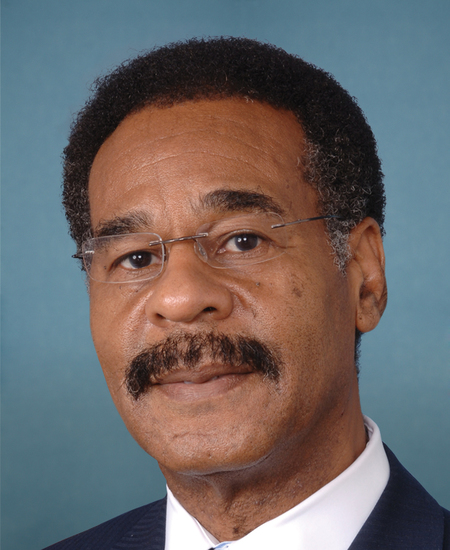
Rep. Emanuel Cleaver
Sponsored bills
Maddy summaryThis bill repeals key provisions of the Protection of Lawful Commerce in Arms Act (PLCAA), which previously shielded gun manufacturers and dealers from civil lawsuits. It allows gun trace data from the federal Firearms Trace System to be used as evidence in civil court cases involving gun violence. Victims of gun violence (or their families) who sue gun manufacturers, dealers, or distributors in state or federal court can now access and rely on this trace information. The bill directly changes the legal landscape by removing a major barrier to holding gun industry entities accountable in civil cases. It does not alter criminal proceedings or affect gun ownership rights.
Maddy summaryHRES 465 is a resolution expressing the House of Representatives' support for Congress to enact the Older Americans Bill of Rights. It calls for future legislation establishing specific rights for older Americans, including access to dignified healthcare (like affordable prescriptions and caregiver support), financial security (such as strengthened Social Security), and community participation (like accessible housing and voting). The resolution itself does not create new laws but urges Congress to draft such a bill. It directly addresses older Americans, particularly those facing poverty, health disparities, or isolation, based on cited statistics about their challenges.
Maddy summaryThis resolution (HRES 459) is a symbolic gesture recognizing National Poppy Day, observed the Friday before Memorial Day. It supports the tradition of wearing red poppies as a symbol honoring U.S. military veterans who died in service, referencing the historical connection to World War I poetry and veterans' organizations. The resolution encourages all U.S. citizens, residents, and visitors to wear poppies on this designated day to express appreciation for those who died preserving freedom. It does not create new laws, funding, or obligations, but formally acknowledges the poppy's role in commemorating military sacrifice.
Maddy summaryThis resolution (HRES 457) is a symbolic measure expressing congressional support for designating June 6, 2025, as "National Gun Violence Awareness Day" and June 2025 as "National Gun Violence Awareness Month." It does not create new laws or policies but encourages public awareness through specific actions: wearing orange on June 6, focusing on gun safety during summer months, and holding community discussions. The resolution references statistics on gun violence deaths and honors Hadiya Pendleton, a teen victim killed in 2013. It directly affects the public by calling for voluntary observance and community engagement, not government mandates.
Maddy summaryThis non-binding resolution (HRES 456) expresses congressional support for designating May 2025 as "Progressive Supranuclear Palsy Awareness Month." It directly affects individuals living with progressive supranuclear palsy (PSP), a rare neurodegenerative brain disorder impacting movement, cognition, and daily functioning, along with their families and caregivers. The resolution aims to raise public awareness, encourage research funding, and support organizations working to improve care and find treatments for PSP. It does not create new laws or funding but formally recognizes the need for greater attention to this condition.
Maddy summaryThis bill reorganizes collective bargaining rules for Veterans Health Administration (VHA) employees by removing existing subsections (b), (c), and (d) from Section 7422 of Title 38 and redesignating the current subsection (e) as (b). It directly affects VA health care employees by altering the structure of their collective bargaining framework. The bill explicitly states it does not change the Secretary of Veterans Affairs' existing authorities over incentive pay or expedited hiring under Section 706 of Title 38. The change is purely procedural, focusing on the internal organization of bargaining rules without introducing new employee benefits or obligations.
Maddy summaryThe Carla Walker Act (HR 3591) creates federal grants to fund forensic DNA analysis using genetic genealogy databases for law enforcement. It authorizes $5 million annually (2024-2028) for two programs: (1) grants to eligible entities like police departments and medical examiners for whole genome sequencing (100,000+ markers) to solve unsolved cases or identify human remains when standard DNA databases fail, and (2) grants to purchase forensic equipment for genetic genealogy analysis. Funds cannot cover staffing or travel, with only 10% allowed for administrative costs. Recipients must report on case outcomes, testing methods, and results, including how often identifications led to arrests. The bill directly affects state/local law enforcement, forensic labs, and medical examiner offices handling unresolved criminal cases.
Maddy summaryHRES 441 is a symbolic House resolution expressing support for designating May 2025 as "Mental Health Awareness Month." It does not create new laws, allocate funding, or change existing policies - it solely aims to raise public awareness about mental health challenges. The resolution cites statistics on rising mental health issues (including youth depression, suicide rates, and disparities in care access) to underscore the need for greater attention. It encourages the public, schools, and organizations to use the month to promote mental well-being and reduce stigma, but contains no concrete policy changes or mandates.
Maddy summaryThis bill prohibits the U.S. military from discriminating against service members or applicants based on gender identity. It bans policies that would deny service, involuntarily separate members, deny medically necessary healthcare, or require service in a gender different from one's identity. The law defines "gender identity" broadly to include a person's internal sense of gender, appearance, and mannerisms, regardless of sex assigned at birth. It directly affects transgender and gender-diverse individuals currently serving or seeking to serve in the Armed Forces.