

Maddy summaryHR 7409, the Defend Rural Health Act of 2026, prevents rural hospitals from being reclassified as urban Medicare facilities after October 1, 2029, unless they met specific criteria before October 1, 2026. The bill amends Medicare rules to block hospitals from retaining rural status beyond 2029, even if they applied for reclassification earlier. It also prohibits the Medicare Geographic Classification Review Board from approving new reclassification requests for hospitals already treated as rural under current rules for fiscal years starting after October 1, 2026. This directly affects rural hospitals that rely on higher Medicare payments tied to their geographic classification. The law aims to maintain stable funding for rural hospitals by restricting future reclassifications.
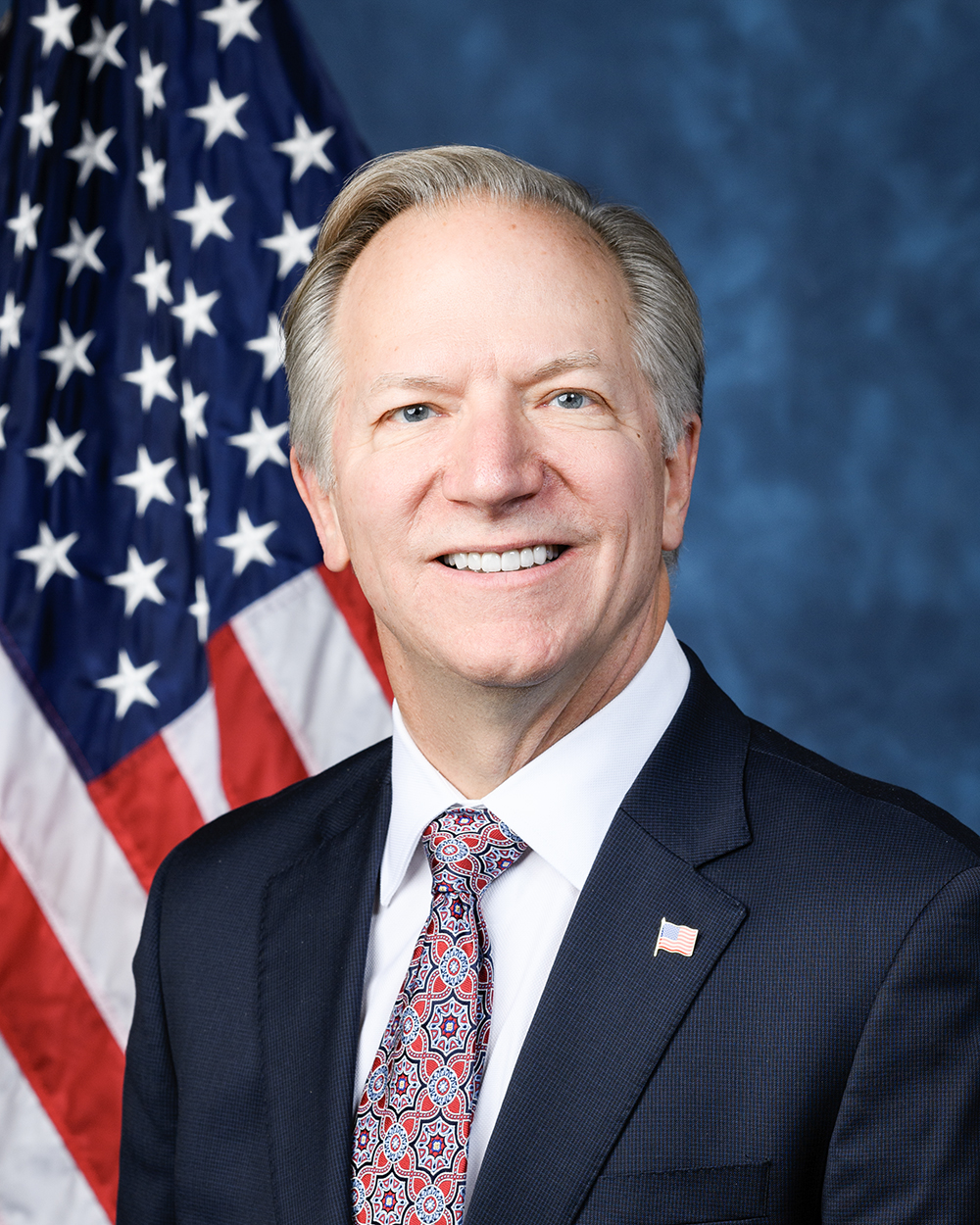
Rep. Robert F. Onder, Jr.
Sponsored bills
Maddy summaryHR 7356, the "No Federal Funds for Ballot Harvesting Act," amends the Help America Vote Act to block federal funding for election administration in states that permit third parties (non-voters) to collect and transmit mailed ballots for federal elections. It requires states to prohibit such collection by non-authorized individuals, with exceptions for election officials, USPS employees, and family/caregivers living with or assisting the voter. States failing to adopt this prohibition would lose federal funds for administering federal elections. The bill cites concerns about ballot chain-of-custody vulnerabilities and references the Supreme Court’s Brnovich ruling upholding state restrictions on ballot harvesting.
Maddy summaryThe Pipeline Cybersecurity Preparedness Act (HR 7272) establishes a voluntary program under the Department of Energy to improve cybersecurity and physical security for natural gas pipelines, hazardous liquid pipelines, and liquefied natural gas facilities. It requires the Department to create coordination councils, lead incident response planning, develop voluntary cybersecurity tools and training, and run pilot projects with industry partners. The bill directly affects pipeline operators and energy sector stakeholders by providing technical resources to assess and enhance their security capabilities without mandating changes. Key mechanisms include developing workforce training curricula, offering evaluation tools, and facilitating collaboration between federal agencies, states, and the energy sector. The act explicitly states it does not alter existing authority of other federal agencies regarding pipeline security.
Maddy summaryThis bill prevents state or local governments from banning or restricting energy connections (like installation, modification, or access) based on the type or source of energy, such as electricity, natural gas, or renewable fuels. It directly affects consumers choosing energy providers and energy companies seeking to offer services. The key provision prohibits local laws, regulations, or policies that limit energy services sold in interstate commerce, covering all energy types listed in the bill’s definitions. It does not create new programs but limits regulatory authority at the state or local level. The law aims to ensure open access to diverse energy sources without source-based restrictions.
Maddy summaryThe Student Financial Clarity Act of 2025 requires colleges and the Department of Education to provide more transparent financial information about college costs and aid to prospective students. It establishes standardized definitions for terms like "net price required for completion" and mandates that the College Scorecard website include detailed, disaggregated data on costs, financial aid, time to completion, and student earnings by program of study and student characteristics such as income, race, and enrollment status. The bill also creates a Universal Net Price Calculator to help students estimate their costs based on their specific circumstances and requires colleges to make their own net price calculators available on their websites. This information aims to help students and families make more informed decisions about college affordability and financial aid. The changes will take effect for the 2027-2028 academic year.
Maddy summaryHR 6662, the Department of Defense and Department of Veterans Affairs Medical Credentialing Integration Act of 2025, requires the Defense and Veterans Affairs departments to create a single, unified system for medical provider credentialing and privileging. It directly affects military and VA medical staff (like doctors and nurses) by replacing separate, non-interoperable systems currently used by each department. Key provisions mandate a joint report on existing systems within 120 days, selection of one unified system by January 2027, and full implementation by January 2028, ensuring seamless sharing of provider credentials across both departments. This eliminates redundant credentialing processes and improves administrative efficiency for medical providers working across DoD and VA facilities.
Maddy summaryThis resolution (HRES 998) is a symbolic House of Representatives commendation honoring President Trump, U.S. military/intelligence agencies, and Justice Department personnel for the alleged success of "Operation Absolute Resolve" in apprehending Venezuelan leader Nicolás Maduro. It cites Maduro's charges (including narcoterrorism conspiracy) and the Maduro regime's alleged dismantling of Venezuelan democracy, state-sponsored drug trafficking, and human rights abuses. The resolution expresses support for Venezuela's democratic transition but contains no new policy, funding, or legal changes. As a procedural resolution, it does not directly affect any individuals or alter laws.
Save Local Business Act This bill provides that a person may be considered a joint employer of the employees of another employer under federal labor law only if such person directly, actually, and immediately exercises significant control over the essential terms and conditions of employment. Such control may by demonstrated by hiring and discharging employees; determining individual employee rates of pay and benefits; day-to-day supervision of employees; assigning individual work schedules, positions, or tasks; or administering employee discipline.
Maddy summaryHR 2516, the Accreditation for College Excellence Act of 2025, prohibits accreditation agencies from requiring colleges to support specific political views, ideologies, or partisan positions. It explicitly prevents agencies from assessing institutions based on their commitment to any ideology or requiring adherence to statements of faith for religious institutions. The bill also limits federal criteria for accreditation to only what is necessary, ensuring colleges comply with their accreditor’s standards - not additional unrelated requirements. This directly affects all colleges seeking federal funding through accredited programs by clarifying permissible accreditation standards.
Maddy summaryThis bill amends the Fair Labor Standards Act to exclude the value of employer-provided child or dependent care services from overtime pay calculations. It directly affects employers who offer such care benefits, allowing them to exclude the cost of these services when determining overtime wages for eligible employees. The key change adds a new exclusion (paragraph (9)) to the overtime calculation rules, meaning the value of childcare or elder care provided by an employer is no longer counted toward an employee's regular rate for overtime purposes. The change applies to overtime pay required for workweeks beginning after the bill's enactment date.