

Maddy summaryThis bill provides tax relief for workers affected by federal government shutdowns. It allows federal contractors, their employees on unpaid leave during shutdowns, and related workers (like those for federal grantees, states, or DC government) to withdraw up to $30,000 from retirement accounts without the usual 10% early withdrawal penalty. Withdrawals can be repaid within 3 years to avoid tax consequences, and income from the withdrawal is spread over 3 years if elected. The $30,000 limit adjusts annually for inflation.
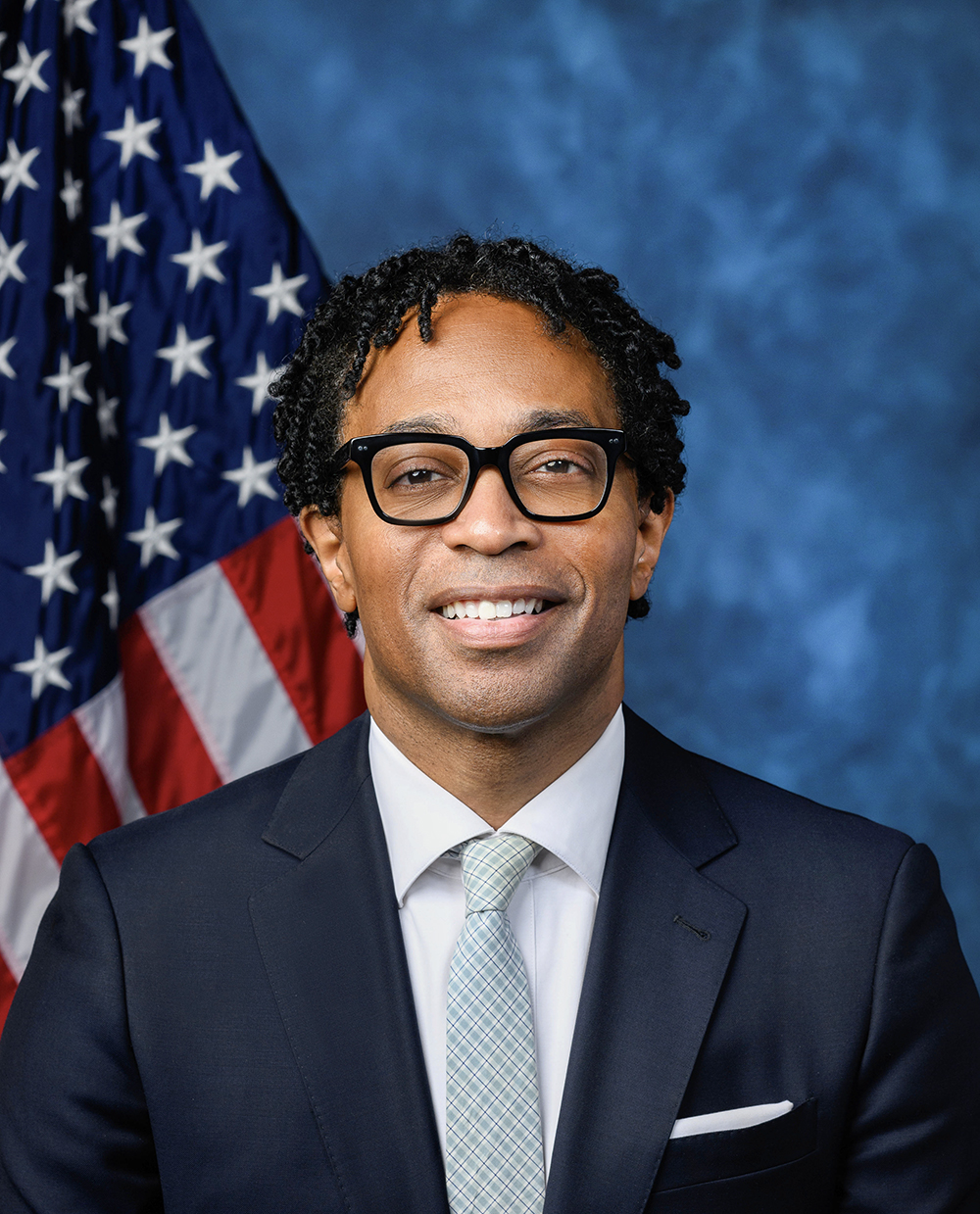
Rep. Wesley Bell
Sponsored bills
Maddy summaryThis bill prohibits the removal of most federal civil service employees during government shutdowns caused by funding gaps. It prevents the President or agency heads from terminating these employees (including through layoffs) while discretionary funding is not in place. The protection specifically excludes political appointees, defined as those in leadership roles like cabinet positions, senior executive service roles, or "schedule C" policy positions. The law aims to stabilize the permanent workforce during funding disruptions.
Maddy summaryThis bill allows federal employees who are furloughed or working without pay during a government shutdown (defined as a funding lapse of at least two weeks) to withdraw up to $30,000 from their Thrift Savings Plan (TSP) retirement savings without the usual 10% early withdrawal penalty. The $30,000 limit adjusts annually for inflation and applies per shutdown period. It also ensures missed TSP loan payments during a shutdown are not treated as taxable distributions, and employees can later contribute back up to the withdrawn amount without penalty. The bill directly affects federal workers facing financial hardship due to funding lapses, providing immediate relief through modified TSP rules.
Maddy summaryHRES 774 is a non-binding resolution that expresses congressional support for recognizing October 2025 as Filipino American History Month. It celebrates the historical contributions of Filipino Americans to U.S. society, including their roles in military service (such as World War II veterans), healthcare, labor movements, and cultural achievements. The resolution does not create new laws or benefits but urges the public to observe the month through educational programs and activities that highlight Filipino American history and culture. It directly affirms the heritage of the Filipino American community - approximately 4.6 million people - who are the third-largest Asian American group in the U.S. and have made significant contributions across multiple fields.
Fair Pay for Federal Contractors Act of 2025 This bill provides back pay to employees of federal contractors who lost pay due to a lapse in appropriations (i.e., government shutdown) in FY2026. Specifically, the bill provides appropriations for federal agencies that are subject to a lapse in appropriations in FY2026 to adjust the price of contracts to compensate federal contractors for providing back pay to employees who were affected by the lapse in appropriations. The agencies must adjust the price of any contract for which the contractor stopped, suspended, delayed, or interrupted all or part of the work under the contract due to the lapse in appropriations. The price adjustment must compensate the contractor for reasonable costs incurred to (1) compensate employees who were furloughed or laid off, were not working, or experienced a reduction of hours or compensation due to the lapse in appropriations; or (2) restore paid leave taken by employees during the lapse in appropriations if the contractor required or permitted employees to use paid leave as a result of the lapse in appropriations. The maximum amount of weekly compensation of an employee for which an adjustment may be made under this bill may not exceed the lesser of (1) the employee's actual weekly compensation, or (2) $1,442 (or a lesser amount pro-rated for an employee who works less than 40 hours per week). The bill also requires the Office of Federal Procurement Policy to submit a report to Congress on the adjustments made under this bill.
Maddy summaryThis bill ensures federal firefighters continue receiving pay and benefits during government funding gaps and shutdowns. It authorizes continuing appropriations for firefighter pay during any period without full-year funding for fiscal year 2026, and prohibits layoffs due to reduction-in-force actions during funding lapses. The law directly affects firefighters employed by executive agencies or military departments whose primary duties involve fire control and extinguishment. Key provisions guarantee job security and pay continuity without requiring new legislation during budget implementation delays.
Maddy summaryThis bill requires the federal government to reimburse certain workers and states for specific costs incurred during government shutdowns lasting 14+ days. Covered workers include federal employees, District of Columbia public employees, and federal contractors who faced furloughs, unpaid work, or unpaid leave due to funding lapses. It mandates reimbursement for direct shutdown-related expenses like loan payments or credit card fees (defined as "shutdown costs"), and requires states to be reimbursed within 90 days for covering federal programs during such shutdowns. Applications for reimbursement must be submitted within one year of the shutdown ending, with payments drawn from a new Treasury Reserve Fund established by the bill.
Maddy summaryHR 5604, the National Guard Proper Use Act, prohibits military and National Guard personnel from being ordered to enforce federal immigration laws. It adds new sections to military law (Title 10 for active forces and Title 32 for the National Guard), explicitly stating members cannot be directed to perform duties related to immigration enforcement. This directly affects military commanders who might attempt to assign such tasks and ensures National Guard members remain focused on their core missions, not civilian immigration enforcement. The bill references the Posse Comitatus Act (18 U.S.C. §1385), a longstanding law that limits military involvement in domestic law enforcement. It clarifies existing legal boundaries without creating new programs or funding.
Maddy summaryHR 5572, the Help FEDS Act, ensures federal employees who must work during government shutdowns (but aren't paid due to the shutdown) can access unemployment benefits through their state's program. The bill requires states to allow these "excepted" employees to apply for and receive unemployment compensation during fiscal years 2026-2027, while also mandating repayment if they later receive pay under a separate federal provision. The federal government will reimburse states 100% of the unemployment benefits paid to these employees plus related administrative costs, funded from the Unemployment Trust Fund. This directly affects federal workers performing emergency work during shutdowns and state unemployment systems managing these claims.
Maddy summaryThis bill prevents federal agencies from terminating employees during a government shutdown caused by a lapse in discretionary funding. It prohibits removals of civil service employees at any agency affected by a funding gap, and if an employee is wrongfully removed, they can return to their job with back pay once funding resumes. The law directly protects all federal employees covered by the civil service system during shutdowns. It applies automatically to any funding lapse, requiring automatic reinstatement without needing separate legal action.