

Maddy summaryThe Parity for Tribal Law Enforcement Act would allow tribal law enforcement officers working under federal contracts or compacts (via the Indian Self-Determination Act) to enforce federal law on tribal lands, provided they complete equivalent training, pass background checks, and receive Bureau of Indian Affairs certification. It designates these officers as federal law enforcement officers for legal protections under specific federal laws, such as the Federal Tort Claims Act. The bill requires the Secretary of the Interior to establish a credentialing process within 24 months and directs the Attorney General to coordinate federal public safety efforts in Indian communities through improved data collection and training. This policy change directly affects tribal officers and communities by expanding their enforcement authority and legal recognition.
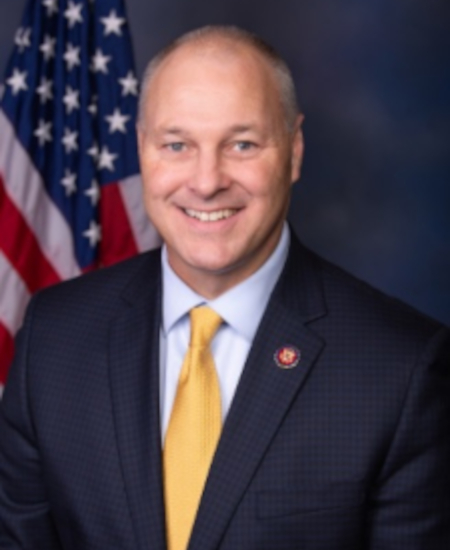
Rep. Pete Stauber
Sponsored bills
Maddy summaryHR 9950, the "Miracle on Ice Congressional Gold Medal Act," authorizes three gold medals to be awarded to the members of the 1980 U.S. Olympic men's ice hockey team for their historic victory over the Soviet Union during the Winter Olympics. The medals, designed by the Treasury Secretary, will be presented by Congress to honor the team's achievement, which revitalized American morale during the Cold War. One medal will be displayed at the Lake Placid Olympic Center, one at the USA Hockey Hall of Fame in Eveleth, Minnesota, and one at the U.S. Olympic Museum in Colorado Springs. The bill also permits the sale of bronze duplicates to cover production costs. This is a ceremonial honor, not a policy change, directly recognizing the team members and their legacy.
Maddy summaryHR 9920 (the BE GONE Act) amends the Immigration and Nationality Act to expand the definition of "aggravated felonies" by adding "sexual assault and aggravated sexual violence" as a specific category. This change directly affects non-citizens convicted of these offenses, as it triggers mandatory deportation under existing immigration law. The bill does not create new penalties or enforcement procedures but alters the legal definition that determines deportation eligibility. It is a definitional amendment to existing immigration law, not a new enforcement measure.
Maddy summaryThis bill amends the Clean Air Act to modify ethanol waiver processes and fuel volatility standards. It adds a new provision allowing fuel to enter commerce if it meets Reid Vapor Pressure requirements through similarity to certified vehicles or existing waivers, and adjusts vapor pressure limits from 10% to 10-15% in several sections. Small refineries that retired credits for 2016-2018 compliance years may now have those credits returned or applied to future years if their petitions remained pending as of December 1, 2022. The changes directly affect fuel retailers, ethanol producers, and small refineries by altering compliance pathways for fuel standards and credit management under the renewable fuel program.
Maddy summaryHR 8119, the PEARL Act, establishes a 3-year pilot program at U.S. Customs and Border Protection (CBP) to adopt therapy dogs from local animal shelters for emotional support of CBP personnel. The bill requires the Secretary of Homeland Security to create the program within 60 days of enactment, train shelter dogs as therapy dogs, and reimburse CBP for related costs. It also authorizes $1,000,000 for CBP's existing Support Canine Program. The bill directly affects CBP officers and staff by introducing a new emotional wellness resource through therapy dog interactions.
Maddy summaryHR 1719, the Honoring Our Fallen Heroes Act of 2023, establishes a presumption that certain cancers diagnosed in public safety officers (like police and firefighters) are work-related if linked to their duties. It defines 22 specific cancers (including lung, mesothelioma, and WTC-related cancers) as "exposure-related," allowing officers or their families to receive benefits without proving direct work connection, provided they were diagnosed within 15 years of leaving active service. The bill also creates a process for adding new cancers to the list based on scientific evidence, requiring the Bureau to review petitions and make decisions within 180 days. This applies to deaths or disabilities occurring on or after January 1, 2023, directly affecting officers who developed covered cancers during service.
Maddy summaryHR 1657, the Lake Winnibigoshish Land Exchange Act of 2024, authorizes a direct land swap between Big Winnie Land and Timber, LLC (BWLT) and the U.S. government. It would transfer approximately 13.8 acres of federal land in Itasca County, Minnesota, to BWLT in exchange for 38 acres of private land owned by BWLT, which would then be added to the Chippewa National Forest. The exchange requires appraisals to ensure equal value, with a cash payment adjustment if needed - though the government waives payment if the private land is valued higher. The Secretary of Agriculture must complete the transfer within 180 days of BWLT’s offer, following specific appraisal standards and finalizing legal descriptions for public review.
Maddy summaryThis bill prohibits hospitals and transplant centers from denying organ transplants or related services to people with disabilities solely because of their disability. It requires covered entities to make reasonable modifications to policies (like considering a patient's support network for post-transplant care) and provide auxiliary aids (such as communication services or accessible health information). The law specifically prevents discrimination based on disability during evaluation, listing, and treatment, while clarifying that medical decisions must be based on individualized assessments - not disability alone. It applies to all organ transplant processes and allows individuals to file complaints with the Department of Health and Human Services or sue for violations.
Maddy summaryHJRES 136 is a resolution seeking to block an Environmental Protection Agency (EPA) rule that would have set new emissions standards for light and medium-duty vehicles sold in 2027 and later model years. The EPA rule, published in April 2024, aimed to require vehicle manufacturers to meet stricter pollution limits for these vehicles. If passed, this resolution would cancel the rule, preventing the EPA from enforcing the new standards. It uses a congressional process that allows Congress to reject agency rules with a simple majority vote.
Maddy summaryHR 9745, the Lifesaving Gear for Police Act of 2024, removes barriers for state and local law enforcement agencies to access existing federal equipment. It prohibits federal agencies from enforcing any regulations (since May 15, 2015) that limit the transfer of Department of Defense or other federal equipment to police departments, unless Congress passes those rules into law. The bill also requires agencies to return or replace equipment recalled since 2015 under those regulations, provided the agency requests it, meets existing eligibility rules, and the equipment is available. This directly affects police departments that previously had equipment seized or denied under the blocked regulations. The law focuses on restoring access to current equipment-sharing programs, not creating new funding or gear.