This resolution recognizes essential employees with disabilities for their efforts during the COVID-19 (i.e., coronavirus disease 2019) pandemic.
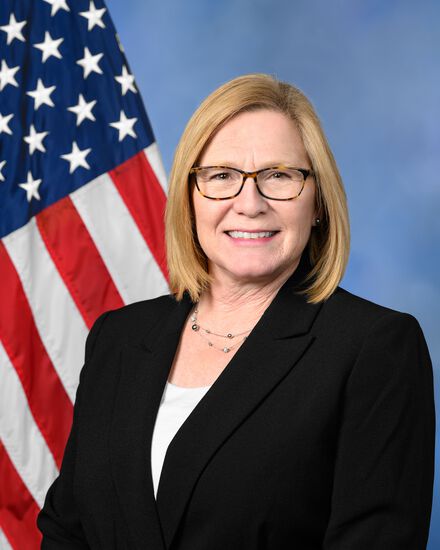
Rep. Michelle Fischbach
Sponsored bills
Direct Interstate Retail Exemption for Certain Transactions Act or the DIRECT Act This bill allows meat and poultry products inspected by State Meat and Poultry Inspection programs to be sold by retail stores, restaurants, or similar retail-type establishments over the internet and shipped by a carrier in commerce (other than for export to a foreign country), provided the meat and poultry products so inspected are shipped directly to household consumers and in normal retail quantities. (Under the inspection programs, the Department of Agriculture Food Safety and Inspection Service allows states that meet certain requirements to inspect meat and poultry. The state-inspected products are currently limited to intrastate commerce, unless a state opts into a separate Cooperative Interstate Shipment Program.)
Saving America's Mines Act This bill bars the President, the Department of the Interior, or the Department of Agriculture from declaring a moratorium on or reversing any existing lease, permit, or claim, for the mining and extraction of any critical mineral or common varieties of sand, stone, and gravel on National Forest System or Bureau of Land Management land unless specifically authorized by statute or upon the lessee, permittee, or claimant's failure to comply with any of the provisions of its agreement.
Renewable Fuel Standard Integrity Act of 2021 This bill revises requirements for exemptions from the renewable fuel standard (RFS) given to small refineries of crude oil. The existing RFS requires transportation fuel to contain a minimum volume of renewable fuel. The bill establishes an annual deadline for petitions by small refineries for exemptions from the RFS. In addition, the bill subjects information in the petition to public disclosure requirements.
Iran Hostages Congressional Gold Medal Act This bill requires the Speaker of the House of Representatives and the President pro tempore of the Senate to arrange for the award of a Congressional Gold Medal commemorating the bravery and endurance of the 53 hostages of the Iran Hostage Crisis. Following its award, the medal shall be given to the National Museum of American History of the Smithsonian Institution for display and research. The Department of the Treasury must strike duplicate medals in silver for presentation to a hostage (or the personal representative of a deceased hostage), and Treasury may also strike and sell duplicate medals in bronze.
Managing Predators Act This bill gives states the authority to manage the populations of gray wolves and to determine if the wolves are endangered or threatened species. Specifically, the bill permanently removes the populations of gray wolf in Wisconsin, Michigan, Minnesota, and Wyoming from the federal endangered and threatened species list. In addition, the bill revises requirements for the gray wolf in any state other than Wisconsin, Michigan, Minnesota, and Wyoming. If the population of the gray wolf, as estimated by such state, is at or above a population goal established by the state, then the Department of the Interior may not make a determination that the wolf in such state is an endangered or threatened species.
This resolution recognizes the Department of Minnesota Veterans of Foreign Wars for 100 years of dutiful service to veterans across Minnesota.
Reopen Schools Act This bill requires a local educational agency (LEA) to reopen its elementary and secondary schools as a condition for receiving certain supplemental education emergency relief funding. Specifically, an LEA must provide in-person instruction to at least 50% of its students in order to receive the full funding. An LEA that provides in-person instruction to at least some of its students shall have its funding reduced on a pro rata basis.
USPS Fairness Act This bill repeals the requirement that the U.S. Postal Service annually prepay future retirement health benefits.
Dignity for Aborted Children Act This bill sets out requirements for the disposition of human fetal tissue from an abortion. Specifically, it requires abortion providers to obtain a patient's informed consent for one of two specified methods of disposition. First, patients may choose to retain possession of the tissue. A patient may choose to transfer the tissue to an entity that provides interment or cremation services. Second, in cases where the tissue is expelled on the provider’s premises, the patient may elect to release the tissue to the provider. Providers must ensure any tissue released to them is interred or cremated within seven days of the procedure in a manner consistent with state law regarding the disposal of human remains. Abortion providers must report annually about these requirements and other specified information. The bill provides civil or criminal penalties for violations of disposal, informed consent, and reporting requirements.