

Maddy summaryThe Federal Benefits Repatriation Verification Act of 2026 restricts noncitizens receiving federal benefits from sending more than $1,000 in monetary assets to foreign accounts or individuals within any 12-month period. To enforce this limit, the bill requires noncitizen recipients to annually certify their compliance and mandates that financial institutions, including banks and cryptocurrency exchanges, check a new Treasury database before processing transfers. If a noncitizen exceeds the limit or fails to provide certification, they become ineligible for programs such as Social Security, SNAP, and Medicaid, while financial institutions face civil penalties for non-compliance. The legislation also directs the Treasury to create a secure database to track these transactions and share data with benefit agencies to verify eligibility in real time.
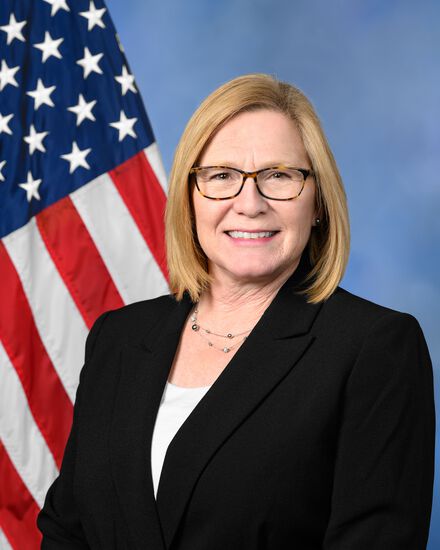
Rep. Michelle Fischbach
Sponsored bills
Maddy summaryThis resolution directs the House of Representatives to accept a Senate amendment to a 2026 federal spending bill and to add a specific amendment from the House Rules Committee. It is a procedural step that moves the legislation forward by formally combining the House and Senate versions of the appropriations bill. The bill itself provides funding for various government programs and operations for the fiscal year ending September 30, 2026. This action does not change the actual spending amounts but ensures both chambers agree on the final text before it can become law.
Maddy summaryThis bill creates two new tax incentives to encourage the production and investment in renewable materials derived from biomass. The first provision offers a production credit of 10 cents per pound for qualified renewable materials sold or used in business, while the second provides an investment credit equal to 30 percent of qualified property costs used in renewable material facilities. Both credits are limited to facilities located in the United States or its possessions and exclude products intended for fuel, heat, electricity, food, or feed. The bill also allows these tax credits to be transferred to other taxpayers and requires the Treasury Department to issue implementing regulations within 180 days of enactment.
Maddy summaryThis bill, titled the Ensuring Better Interest Treatment and Deductibility Act, would change how businesses calculate the limit on interest expenses they can deduct on their taxes. It directly affects corporations and other businesses that pay interest on loans by modifying the rules for determining adjusted taxable income. The key provision removes a specific clause from the tax code that currently limits how much interest can be deducted based on a company's earnings, effectively allowing more interest to be treated as a deductible business expense. These changes would apply to tax years starting after December 31, 2025, meaning businesses would need to adjust their financial planning for future tax filings.
Maddy summaryThis bill requires fertilizer manufacturers and wholesalers to report weekly prices and quantities of nitrogen, phosphorus, potassium, and fertilizer products to the U.S. Department of Agriculture. The reporting must distinguish between domestic and foreign sources while exempting agricultural cooperatives and non-manufacturer retailers from mandatory requirements, though they may voluntarily provide data. The Secretary of Agriculture will make this information publicly available on a weekly basis through a dashboard that aggregates data to protect confidential business details. A separate retail survey program will supplement manufacturer reports with regional price estimates, and the Secretary must review reporting requirements every two years to ensure they remain accurate. The legislation explicitly states that these reporting requirements do not override existing antitrust laws.
Maddy summaryHR 556, the Protecting Access for Hunters and Anglers Act, prevents federal agencies from banning lead ammunition or tackle on public lands and waters managed for hunting or fishing. It directly affects hunters and anglers using federal lands (like national wildlife refuges, public forests, and BLM lands) by blocking nationwide restrictions on lead products. The bill allows limited exceptions only for specific locations where wildlife decline is directly linked to lead use, and the restriction must align with state law or get approval from the state wildlife agency. This changes how federal land managers can regulate lead, requiring state coordination for any local restrictions.
Maddy summaryThe Semi-Trailer Tax Parity Act modifies federal tax rules to allow floor plan financing interest rules to apply to semi-trailers and their chassis. This change directly affects businesses that finance semi-trailers for commercial use, such as trucking companies and logistics firms. The bill amends the Internal Revenue Code to include semi-trailers in the category of property eligible for specific interest deduction treatments previously reserved for other types of vehicles. This adjustment ensures that financing costs for semi-trailers are treated similarly to those for other commercial vehicles under existing tax provisions. The policy change takes effect for taxable years beginning after the bill is enacted.
Maddy summaryThis bill extends whistleblower protections to employees, contractors, and agents working for state or local governments and non-profit organizations that administer or receive federal funds. It prohibits covered officials from retaliating against individuals who report misuse, waste, fraud, or gross mismanagement of federal funds, or violations of federal law in federally funded programs. The law establishes criminal penalties for retaliation, including fines up to $250,000 and up to 5 years in prison for intentional retaliation to conceal fraud or gain personal benefit. As a condition for receiving federal funds, states and localities must certify compliance, with non-compliance risking funding suspension or termination.
Maddy summaryThis bill removes the income limit that currently applies to prize money and medals won at the Olympic and Paralympic Games. Under current law, athletes can exclude up to $200,000 of such winnings from their taxable income, but this bill would eliminate that cap entirely. The change would affect all athletes who compete in these international events and receive medals or prize money from the United States Olympic Committee. The new rules would apply to any awards received after December 31, 2025.
Maddy summaryHR 7678, the Gun Owner Registration Information Protection Act, prohibits federal funding for state or local databases that track lawfully owned firearms or their owners. The bill allows federal funding for databases recording lost or stolen firearms but bans it for databases listing legal gun ownership. This means states cannot use federal money to create or maintain systems that compile information about legally owned guns. The bill directly affects state and local governments that rely on federal funds for firearm ownership databases.