

Maddy summaryHR 3425 creates federal grants to community colleges and college consortia with agriculture programs, helping them expand workforce training, education, and research in farming and related fields. The bill prioritizes colleges partnering with local farms for hands-on student training and allows grant funds to cover equipment, faculty development, and apprenticeships. It authorizes $20 million annually from 2024-2029 for these programs and requires a 3-year evaluation report to Congress. The law directly affects community colleges offering agriculture-focused education, aiming to strengthen their capacity to serve students and the agricultural industry.
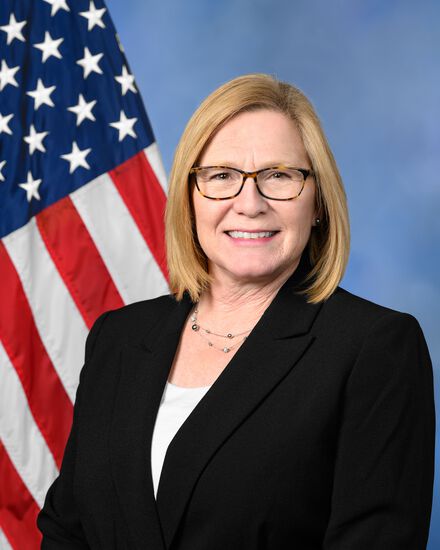
Rep. Michelle Fischbach
Sponsored bills
Maddy summaryHJRES 44 is a congressional resolution seeking to block a 2021 rule by the Bureau of Alcohol, Tobacco, Firearms, and Explosives (ATF). The rule classified firearms with stabilizing braces as "short-barreled rifles," which would have required additional licensing and regulation. This resolution uses a specific legal process (under Title 5, U.S. Code) to formally disapprove the ATF rule, meaning the rule would no longer be in effect. It directly affects firearm owners, manufacturers, and dealers who would have been subject to the rule’s requirements.
Maddy summaryHR 277 would require Congress to approve major federal regulations before they take effect. Major rules are defined as those with significant economic impact ($100 million+ annually), major cost increases for consumers or industries, or significant adverse effects on competition, employment, or innovation. Agencies must submit detailed information about these rules to Congress, including cost-benefit analyses, before they can take effect. Congress would have 70 session days to approve the rule with a joint resolution; if they don't act within that timeframe, the rule would not take effect. This would increase congressional oversight of federal regulations and require more detailed information about proposed rules before they become law.
Maddy summaryHJRES 69 is a resolution seeking to disapprove an Environmental Protection Agency (EPA) rule published on June 5, 2023, which established a "Federal Good Neighbor Plan" for the 2015 ozone air quality standards. The rule aimed to address ozone pollution crossing state lines, particularly affecting southeastern states and industries subject to the 2015 ozone standards. This resolution would block the rule from taking effect by invoking the Congressional Review Act, preventing it from being enforced. If enacted, it would directly stop the EPA from implementing this specific plan, impacting states and businesses that would have had to comply with the rule.
Maddy summaryThe Protecting Veteran Community Care Act expands access to mental health and substance-use services through the Veterans Community Care Program for veterans who cannot get timely care in VA residential treatment facilities. It requires community providers to meet state licensing and accreditation standards and prohibits the VA from denying community care solely because community providers cannot meet the same wait time standards as VA facilities. The bill also mandates the VA to track and report on requests for mental health care, including approvals, denials, and appeals. This applies directly to veterans facing delays in accessing VA residential mental health programs.
This bill includes phosphate and potash on the Department of the Interior's final list of critical minerals. (Under current law, Interior and other departments are required to conduct a variety of efforts to ensure a secure and reliable supply chain of critical minerals.) Interior must evaluate current policies relating to permitting and leasing of projects to develop critical minerals and issue recommendations to Congress to support domestic production of such commodities.
Rural Opportunity Zone and Investment Act This bill provides for the deferral of tax until December 31, 2032, on capital gains invested in qualified rural opportunity zones. A q ualified rural opportunity zone is any population census tract that is located in a rural county and is in persistent poverty.
Maddy summaryThis bill requires the Treasury Secretary to report quarterly on foreign countries imposing "extraterritorial" or "discriminatory" taxes targeting U.S. businesses. It mandates progressively higher tax rates (starting at 5% and increasing to 20% over time) on income and payments from foreign individuals and corporations in those countries. The U.S. government can also restrict federal procurement from such entities and consider these taxes in trade negotiations. These measures directly affect foreign businesses operating in the U.S. or conducting transactions with U.S. entities. The policy aims to counter foreign tax policies that the U.S. views as unfair under international tax norms.
Small Business Growth Act This bill increases from $1 million to $2 million to the limitation on expensing of depreciable business assets. It also increases the asset threshold amount used to reduce the expensing limitation.
Maddy summaryHR 3408, the DRIVE Safe Integrity Act of 2023, establishes reporting requirements for a pilot program allowing 18- to 20-year-old drivers to gain experience in interstate trucking. The bill requires the Transportation Secretary to provide quarterly reports to Congress on program participation, including numbers of applicants, approved participants, and reasons for removals or withdrawals. It outlines specific apprenticeship requirements including 120-hour and 280-hour probationary periods with performance benchmarks for driving skills, and mandates that apprentices drive vehicles equipped with specific safety technologies while accompanied by experienced drivers. The bill ensures employers cannot allow drivers under 21 to operate commercial vehicles in interstate commerce without participating in the approved apprenticeship program. This legislation aims to address the truck driver shortage by creating a structured pathway for younger drivers while maintaining safety standards.