

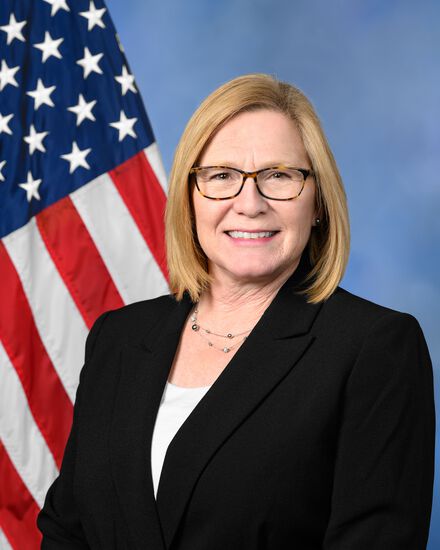
Maddy summaryThe Parity in Engineering Act amends a federal highway law (Section 112(b)(2)(F) of Title 23) by removing Minnesota from a list of states subject to a specific engineering services requirement. It corrects a technical reference by replacing "States of West Virginia or Minnesota" with "State of West Virginia," meaning the provision now applies solely to West Virginia. This change directly affects federal highway engineering contracting processes in West Virginia and Minnesota, with Minnesota no longer covered by this specific rule. The bill makes a narrow procedural adjustment without altering broader policy or impacting other states.
Rep. Michelle Fischbach
Sponsored bills
Maddy summaryThis resolution (HRES 1086) is a symbolic gesture expressing the House's support for designating March 19, 2024, as "National Agriculture Day." It does not create new laws or policies, but instead formally recognizes agriculture as a vital industry in the U.S. economy. The resolution celebrates agriculture's broad economic impact without imposing any requirements or changes on farmers, consumers, or government programs. It is a commemorative statement, not a substantive legislative action.
Maddy summaryThe Laken Riley Act (HR 7511) would require federal authorities to detain non-citizens charged with or convicted of burglary, theft, larceny, or shoplifting offenses. It also creates new legal standing for state attorneys general to sue federal immigration officials in federal court if they believe immigration enforcement decisions (like releasing aliens or granting parole) cause financial harm exceeding $100 to the state or its residents. The bill amends immigration laws to expand detention requirements for certain property crimes and allows states to seek court orders to enforce immigration policies. It does not create new criminal penalties but modifies existing immigration enforcement procedures. The bill’s findings and political language about the Laken Riley case are not part of its policy provisions.
Maddy summaryThe Farm to Fly Act of 2023 amends USDA programs to include sustainable aviation fuel (SAF) as a qualifying product for financial assistance, directly affecting farmers, biorefineries, and agricultural producers. It defines SAF as liquid fuel meeting strict environmental standards - requiring at least a 50% reduction in lifecycle greenhouse gas emissions compared to jet fuel and excluding sources like palm oil or petroleum. The bill mandates the Secretary of Agriculture to lead a cross-agency initiative focused on advancing SAF development, leveraging agricultural resources, and fostering public-private partnerships to expand the domestic SAF market. This aims to support rural economic growth, strengthen U.S. energy security, and align with national clean energy goals in aviation.
Maddy summaryThis resolution (HRES 1038) is a symbolic gesture honoring three Burnsville, Minnesota, first responders who died in the line of duty on February 18, 2024: Police Officers Paul Elmstrand and Matthew Ruge, and Firefighter/Paramedic Adam Finseth. It expresses the House’s condolences to their families, honors Sergeant Adam Medlicott (who was injured in the same incident), and recognizes all local law enforcement and first responders for their service. The resolution does not create new laws or policies but formally acknowledges their sacrifice through a non-binding expression of support. It specifically commemorates their heroic actions during a domestic call response in Burnsville.
Maddy summaryHR 7494, the Protect America’s Lands Act, prohibits national securities exchanges from processing transactions involving stocks issued by companies primarily managing land for conservation. It defines "natural asset companies" as those holding rights to ecological performance of specific land areas, with their core purpose being to conserve, restore, or sustainably manage natural assets without causing material harm. The bill directly affects securities exchanges and these specific companies by banning exchange-based trading of their securities. This is a regulatory change to the Securities Exchange Act of 1934, focusing on financial market rules rather than direct land management policies.
Maddy summaryHR 7455, the Sunset Act of 2024, requires federal agencies to automatically expire significant rules after 10 years unless Congress passes a new law extending them. Agencies must submit reports 180 days before expiration, and Congress can extend rules via joint resolution within 3 legislative days of receiving the report. The bill also mandates annual reviews of 10% of active agency rules for 9 years, with rules not extended by Congress after the 10-year period expiring. It applies to all major agency rules (e.g., environmental or safety regulations) and includes limited presidential exemptions for emergencies, but does not affect existing rules already in effect.
Maddy summaryHR 7450, the Protecting Privacy in Purchases Act, prohibits payment card networks and covered entities (like payment processors) from requiring or assigning merchant category codes that specifically identify firearms retailers as different from general stores or sporting goods retailers. This directly affects firearms retailers and payment networks by preventing them from using business classification codes that could flag firearm sales. The bill establishes an enforcement process where the Attorney General investigates complaints, issues remediation notices, and can seek court injunctions for non-compliance, while preempting state or local laws on this issue. It does not create private lawsuits for individuals.
Maddy summaryHRES 966 is a symbolic resolution condemning alleged sexual violence committed by Hamas during its October 7, 2023, attack on Israel. It specifically references eyewitness accounts, forensic evidence, and Hamas fighters' admissions of ordering gang rape, sexual mutilation, and assault against Israeli civilians. The resolution calls for international condemnation of such acts as weapons of war, urges nations to criminalize sexual violence, and supports investigations into Hamas' actions. As a non-binding resolution, it does not create new laws or directly affect any individuals but formally expresses the House's position on the issue.
Maddy summaryHR 6854, the Habitat Enhancement Now Act, establishes two federal grant programs to support migratory waterfowl populations. It provides $1.5 million annually (2024-2028) for competitive grants to state governments, nonprofits, or individuals to build hen houses (nesting structures on posts) in the prairie pothole region (ND, SD, MT, IA, MN) to improve duck nesting success. A separate grant program in California funds activities like creating nesting cover, brood ponds, and landowner incentives to enhance breeding success for ducks such as mallards. The bill directly affects waterfowl conservation efforts by providing targeted funding for habitat improvements in specific geographic areas.