

Maddy summaryHJRES 144 is a congressional disapproval resolution targeting a specific rule issued by the Bureau of Alcohol, Tobacco, Firearms, and Explosives (ATF) on April 19, 2024. The resolution seeks to block the ATF's rule that redefined the term "engaged in the business" for firearm dealers, which would have affected how federal licensing requirements apply to certain sellers. If enacted, this resolution would nullify the rule, preventing it from taking effect under procedures in Title 5 of the U.S. Code. The bill directly impacts firearm dealers operating under the current regulatory framework and the ATF's enforcement authority.
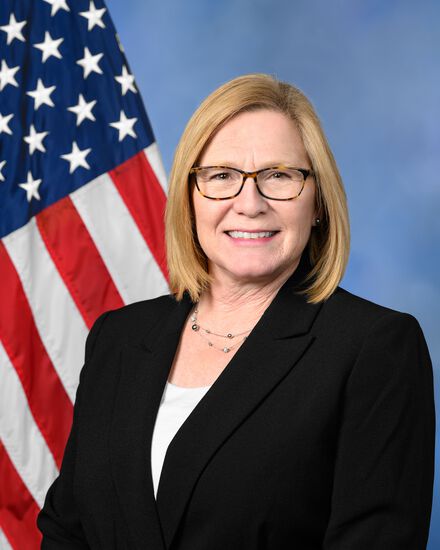
Rep. Michelle Fischbach
Sponsored bills
Maddy summaryThis bill (HJRES 163) is a congressional disapproval resolution targeting an Environmental Protection Agency (EPA) rule finalized on May 9, 2024. The EPA rule established new emissions standards for greenhouse gases from fossil fuel power plants (both new and existing) and repealed a previous rule called the Affordable Clean Energy Rule. The resolution would block this EPA rule from taking effect by invoking the Congressional Review Act (Chapter 8 of Title 5, U.S. Code). If passed, it would prevent the EPA rule from being enforced, directly affecting fossil fuel power plant operators and the EPA’s regulatory authority over emissions.
Maddy summaryH.J. Res. 139 is a congressional resolution seeking to disapprove a rule issued by the Centers for Medicare & Medicaid Services (CMS) on May 10, 2024. The rule would have established minimum staffing requirements for long-term care facilities and required transparency in Medicaid payment reporting. If passed, this resolution would block the rule from taking effect, preventing these new staffing and reporting requirements from being implemented. The bill directly affects long-term care facilities and Medicaid programs by halting the enforcement of these specific standards.
Maddy summaryThis bill designates the U.S. Postal Service facility at 31143 State Highway 65 in Pengilly, Minnesota, as the "First Lieutenant Richard Arne Koski Post Office." It updates all official references to the location to reflect this new name in laws, documents, and records. The bill has no policy changes or direct impact beyond the naming of this specific post office.
Maddy summaryHR 8292, the Taxpayer Data Protection Act, increases penalties for unauthorized disclosures of taxpayer information under the Internal Revenue Code. It raises fines from $5,000 to $250,000 per violation and increases potential jail time from 5 to 10 years for those who disclose such data. The bill also specifies that if a single disclosure affects multiple taxpayers, each affected person counts as a separate violation, potentially increasing penalties. This law directly affects IRS employees and government workers handling taxpayer data, applying to disclosures made after the bill's enactment.
Maddy summaryHR 705, the Veterans 2nd Amendment Protection Act, prohibits the Department of Veterans Affairs (VA) from automatically sending veterans' personal information to the national background check system solely because a fiduciary (like a guardian) manages their benefits. It specifically blocks the VA from sharing this data with the Justice Department without a court order finding the veteran a danger to themselves or others. This directly affects veterans who have a fiduciary appointed due to incapacity but are not deemed dangerous, preventing automatic barriers to firearm purchases based only on their fiduciary status. The bill amends 38 U.S.C. § 5501B to require judicial authorization before such data can be transmitted.
Maddy summaryThis bill increases federal premium support for certain crop insurance plans used by farmers. It raises the subsidy rate to 77% for lower coverage levels and 68% for higher coverage levels under enterprise or whole-farm revenue/yield protection plans (previously 70% and 65%). It also adjusts coverage requirements, reducing the minimum supplemental coverage level from 14% to 10% and increasing the maximum from 86% to 90%, while raising the premium subsidy for this option from 65% to 80%. Additionally, it mandates a study to evaluate expanding supplemental coverage to larger counties with specific coverage tiers, requiring a report to Congress within one year.
Maddy summaryHR 7241 creates a new federal program to help rural water and wastewater systems prepare for and respond to disasters. It authorizes $20 million annually (2024-2028) for grants to nonprofit organizations with proven experience in water system disaster response. These organizations will provide on-site technical assistance, help develop emergency plans, conduct vulnerability assessments, repair critical infrastructure (like pumps and treatment systems), and support disadvantaged communities lacking resources. The program directly affects rural water systems and their operators by improving their ability to maintain safe water service during and after disasters. Grants cannot cover activities already funded by other federal programs, and equipment costs are limited to 25% of the grant amount.
Maddy summaryHR 7015, the CAREERS Act, expands federal funding for workforce training programs to better serve rural communities. It modifies eligibility to include career and technical education schools and requires training programs to align with specific rural industry sectors like broadband, healthcare, agriculture, manufacturing, and water services. The bill mandates grantees to report on employment outcomes for participants and addresses rural workforce challenges such as worker displacement and youth migration. This directly affects rural workforce development boards, training providers, and workers in designated rural industries seeking job skills and career pathways.
Maddy summaryHR 9278 extends the deadline for small businesses to file beneficial ownership information with FinCEN. It amends U.S. Code Section 5336 to give small business concerns (as defined in the Small Business Act) until December 31, 2025, to submit required ownership details. This change applies directly to small businesses already subject to the reporting rules under the Corporate Transparency Act. The bill provides a one-year extension from the original deadline, allowing these businesses additional time to comply with the filing requirement.