

Maddy summaryHR 976, the TCJA Permanency Act, makes permanent many tax provisions from the 2017 Tax Cuts and Jobs Act (TCJA) that were scheduled to expire after 2025. The bill affects individual taxpayers by keeping lower tax rates, higher standard deductions, increased child tax credits, and other key changes permanently. Key provisions include permanent modifications to income tax brackets, repeal of personal exemptions, limits on state and local tax deductions, and increased estate and gift tax exemptions. These changes would prevent the tax code from reverting to pre-TCJA rates and rules for millions of taxpayers.
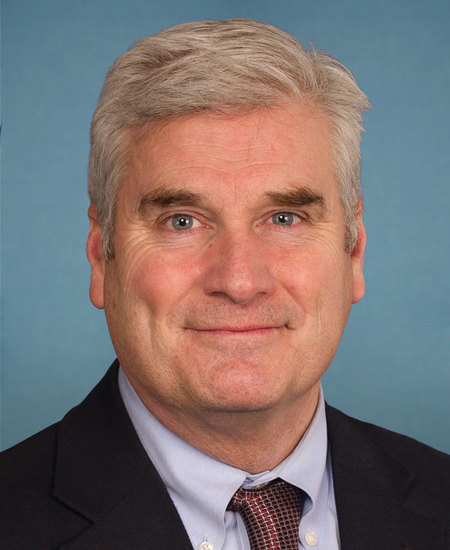
Rep. Tom Emmer
Sponsored bills
Maddy summaryHRES 110 is a non-binding resolution supporting the designation of "Career and Technical Education (CTE) Month" to recognize CTE's role in preparing students for high-demand careers. It encourages educators, school counselors, and parents to promote CTE as a respected pathway for students seeking credentials in fields like healthcare, technology, and skilled trades. The resolution highlights CTE's benefits, including reducing high school dropout rates and aligning education with workforce needs, without creating new funding or policy changes. It directly affects schools, educators, and students by affirming CTE's value in workforce development.
Maddy summaryHCONRES 13 is a concurrent resolution expressing Congress's support for maintaining the current policy that prohibits imposing new fees on local radio stations for playing music. It states that Congress should not impose any performance fee, tax, royalty, or charge on local radio stations for broadcasting sound recordings over the air, or on businesses like bars and restaurants that play music publicly. The resolution argues that such fees would harm local radio stations - critical sources for emergency information and community programming - and jeopardize the economic model that has supported both radio and the music industry for decades. This resolution does not create new law but formally opposes potential legislative changes to the existing fee structure.
Maddy summaryHR 804, the Chinese CBDC Prohibition Act of 2023, prohibits U.S. money services businesses (such as banks and payment processors) from handling transactions involving China's central bank digital currency (CBDC). The bill directly affects financial institutions operating in the United States by banning any direct or indirect involvement with the People’s Republic of China’s digital currency. Its key mechanism, added to Title 31 of the U.S. Code, explicitly forbids these businesses from engaging in any transaction related to China’s CBDC. The legislation aims to limit U.S. financial system involvement with a digital currency viewed by its proponents as enabling Chinese government surveillance and control over citizens.
Maddy summaryHR 582, the Credit Union Board Modernization Act, changes the required meeting frequency for boards of directors at federal credit unions. It replaces a simple "monthly" requirement with tiered schedules based on each credit union's performance rating under the Uniform Financial Institutions Rating System. Top-rated credit unions (ratings 1 or 2) must meet at least six times yearly, with one meeting per fiscal quarter. Lower-rated credit unions (ratings 3, 4, or 5) must meet monthly, and new credit unions must meet monthly for their first five years. This directly affects all federal credit unions by adjusting their board meeting obligations based on their regulatory rating.
Maddy summaryHR 605, the Special Drawing Rights Oversight Act of 2023, requires the U.S. government to seek congressional approval before allocating IMF reserve assets (SDRs) to certain countries. It strengthens oversight by extending consultation periods with Congress from 90 to 180 days, requiring 25% of U.S. IMF quotas to be considered in decisions, and adding new prohibitions: no SDR allocations may be made to countries the President identifies as having committed genocide or repeatedly supported international terrorism without specific congressional authorization. The bill directly affects the U.S. Treasury and President, who currently have authority to approve such allocations without Congress. This changes current practice, which allows unilateral Treasury decisions that could provide billions in unconditional liquidity to countries like China, Russia, Iran, and Venezuela.
Maddy summaryThe Educational Choice for Children Act creates tax credits for individuals and corporations that contribute to scholarship granting organizations providing education scholarships. Individuals can claim a credit up to $5,000 or 10% of their income, while corporations can claim up to 5% of taxable income. The scholarships are available to students from households with income up to 300% of the area median income, and can be used for private school tuition, tutoring, and other educational expenses at elementary and secondary schools. The bill includes strict requirements for scholarship organizations to verify income, conduct audits, and prevent misuse of funds, while also prohibiting government control over these organizations and protecting private and religious schools from discrimination in the program. It establishes a $10 billion annual cap on the total tax credits available.
Maddy summaryThis bill designates the U.S. Postal Service facility at 130 North Main Street in Blue Earth, Minnesota, as the "Jim Hagedorn Memorial Post Office." It updates all federal references to the location to reflect this new name, ensuring official documents and records consistently use the memorial designation. The bill is purely procedural, with no substantive policy changes or funding impacts.
American Workforce Empowerment Act This bill allows tax-preferred college savings plans (529 plans) to fund certain postsecondary certificate programs and apprenticeship programs.
This act designates the facility of the United States Postal Service located at 236 Concord Exchange North in South Saint Paul, Minnesota, as the Officer Leo Pavlak Post Office Building.