

Maddy summaryHR 7424, the Renewable Roadsides Act, requires the U.S. Departments of Transportation and Energy to study the feasibility of developing solar energy projects (including generation, storage, and transmission) on federal land adjacent to the National Highway System. The study, due by December 2025, will assess land suitability, identify barriers like safety concerns or competing land uses, and evaluate federal requirements. By December 2026, the agencies must submit a report to Congress with findings, recommendations for enabling such projects, and a process for entities to apply for leases or agreements to build and operate these facilities. The bill does not fund or mandate solar projects but sets the stage for potential future development by analyzing logistical and regulatory pathways. It directly affects federal agencies and could influence future policy on utilizing highway-adjacent federal land for renewable energy.
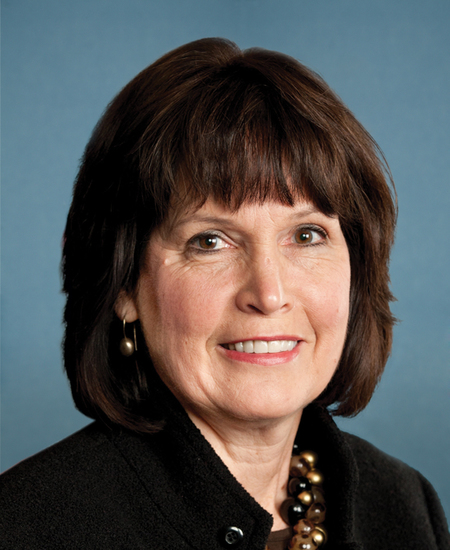
Rep. Betty McCollum
Sponsored bills
Maddy summaryHR 7384, the Creating Hope Reauthorization Act of 2024, extends the deadline for issuing priority review vouchers to pharmaceutical companies developing treatments for rare pediatric diseases. The bill amends the Federal Food, Drug, and Cosmetic Act to push the program’s expiration from 2024 to 2028 and adjusts another related deadline to 2030. This directly affects drug manufacturers seeking faster FDA review for new treatments targeting rare childhood illnesses. The extension ensures continued incentives for developing these critical therapies without altering the core voucher mechanism.
Maddy summaryThis bill would grant Temporary Protected Status (TPS) to Ecuadorian nationals already living in the United States. It designates Ecuador for TPS under existing immigration law, protecting up to 300,000 Ecuadorians from deportation and allowing them to work legally for at least 18 months. The designation applies to those continuously present in the U.S. since the bill's enactment, who meet standard admissibility requirements. This provides temporary relief from deportation due to Ecuador's severe security crisis, including a sharp rise in homicides and gang violence documented in the bill's findings.
Maddy summaryHRES 966 is a symbolic resolution condemning alleged sexual violence committed by Hamas during its October 7, 2023, attack on Israel. It specifically references eyewitness accounts, forensic evidence, and Hamas fighters' admissions of ordering gang rape, sexual mutilation, and assault against Israeli civilians. The resolution calls for international condemnation of such acts as weapons of war, urges nations to criminalize sexual violence, and supports investigations into Hamas' actions. As a non-binding resolution, it does not create new laws or directly affect any individuals but formally expresses the House's position on the issue.
Maddy summaryThe MRRRI Act establishes a federal initiative to restore the ecological health of the Mississippi River, focusing on water quality, flood resilience, wildlife habitat, and invasive species management across the 10 Mississippi River States. It creates a Mississippi River National Program Office within the EPA to coordinate restoration efforts, develop actionable goals and an action plan, and establish research centers to guide science-based restoration. The Act requires specific funding set-asides for projects addressing disproportionate impacts on rural, economically disadvantaged, and communities of color, while prioritizing projects that restore natural river functions like wetland rehabilitation and pollution reduction. It authorizes funding for projects that improve drinking water quality, reduce flood risks, and protect habitats supporting the river's $500 billion economy and 780+ species of fish and wildlife.
Maddy summaryThe SWIMS Act of 2024 bans the captivity of orcas, beluga whales, false killer whales, and pilot whales for public display in the United States. It prohibits exporting, importing, or taking these animals for display - except for relocation to a sanctuary meeting specific welfare standards or release into the wild. The bill also makes it illegal to breed these species for public display. This directly affects marine parks and aquariums that currently display these animals, preventing them from acquiring new animals for exhibits or breeding them for that purpose.
Maddy summaryThe Complete Streets Act of 2024 requires states to establish programs that help local governments, transit agencies, and other eligible entities design and build transportation infrastructure accommodating all users, including pedestrians, cyclists, and public transit riders. States must provide technical assistance and grants for complete streets projects, with 5% of certain transportation funds allocated to these programs. The bill establishes design standards requiring features like protected bike lanes, accessible sidewalks, and appropriate lighting for all transportation projects, applying to new projects on Federal-aid highways within metropolitan areas. It mandates that states develop complete streets policies and prioritization plans to improve safety and accessibility, particularly in underserved communities, with compliance required by 2026 or 2029 for different project types.
Maddy summaryHR 6569, the EFFECTIVE Food Procurement Act, requires the U.S. Department of Agriculture (USDA) to prioritize specific food purchases in its procurement programs. The bill mandates that USDA spending must include a minimum percentage of foods supporting: equity (from beginning, veteran, or socially disadvantaged farmers/fishermen/ranchers), resilient supply chains (small/mid-sized farms, organic, animal welfare certified), worker well-being (unionized or certified vendors), and climate-friendly practices (low emissions, deforestation policies). It establishes annual reporting requirements on procurement spending, greenhouse gas emissions, and targets to increase these categories by 2032. The bill also creates a pilot program for "best value" procurement (20% of spending) and provides $25 million in grants to help small and underrepresented producers meet USDA vendor requirements.
Maddy summaryHR 7056, the Access to Family Building Act, establishes federal rights for individuals to access assisted reproductive technology (ART) like IVF without unreasonable restrictions, directly affecting patients seeking fertility treatments and health care providers offering ART services. The bill prohibits states from imposing limitations on ART that are more burdensome than those for comparable medical procedures, fail to advance safety, or unduly restrict access, while allowing health and safety regulations that are necessary and least restrictive. It creates federal enforcement mechanisms, including lawsuits by the Attorney General or affected individuals to challenge violating state laws, and preempts conflicting state regulations. The bill explicitly preserves state authority over health/safety regulations and does not alter existing state insurance coverage laws for ART.
Maddy summary# Summary of "Protecting Communities from Plastics Act" (Title II) This comprehensive legislation addresses the environmental, health, and environmental justice impacts of plastics production and use. Key provisions include: ## Environmental Justice Protections - Requires environmental justice assessments for permits of "covered facilities" (plastics manufacturing facilities) - Mandates consultation with "fenceline communities" (communities near facilities) including: * Prompt notification in multiple languages * Public hearings with translation services * Community benefit agreements - Establishes a 45-day waiting period before approving permits after public hearings ## Regulatory Requirements - Amends Clean Air Act to establish new source performance standards for plastics facilities - Requires continuous monitoring of air emissions (benzene, nitrogen oxides, etc.) - Amends Clean Water Act to prohibit discharge of plastic pellets in wastewater - Requires financial assurance for facility closure and emergency response - Prohibits new facility permits within 5 miles of community buildings (schools, hospitals, etc.) ## Research and Monitoring - Requires study of microplastics in food (including fish, meat, fruits, vegetables) - Mandates research on microplastics in human bodies (urine, breastmilk, stool) - Establishes a pilot program to test technologies for microplastic removal - Requires inventory of plastics manufacturing and distribution ## Additional Provisions - Temporary permitting moratorium on new plastics facilities (during "temporary pause period") - Requires listing of discarded polyvinyl chloride as hazardous waste - Limits National Recycling Strategy to exclude chemical recycling technologies - Creates grants to reduce single-use plastics in agricultural packaging - Requires biodegradable alternatives to plastic weed barriers The legislation aims to address the disproportionate environmental and health impacts of plastics production on vulnerable communities while establishing comprehensive regulatory frameworks for plastics manufacturing and disposal.