

Maddy summaryThe MORE Act (HR 5068) would remove cannabis from the federal list of controlled substances, effectively decriminalizing it at the federal level while establishing a new tax on cannabis products. The bill creates an Opportunity Trust Fund that would distribute tax revenues to support communities disproportionately impacted by cannabis prohibition, including funding for expungement programs, job training, and equitable licensing initiatives for minority business owners. It also includes provisions to prevent discrimination based on cannabis use in federal programs, immigration proceedings, and workplace policies. The bill would require federal courts to expunge non-violent cannabis convictions and establish a process for resentencing individuals currently serving time for such offenses. These provisions aim to address racial disparities in cannabis enforcement and create more equitable opportunities in the legal cannabis industry.
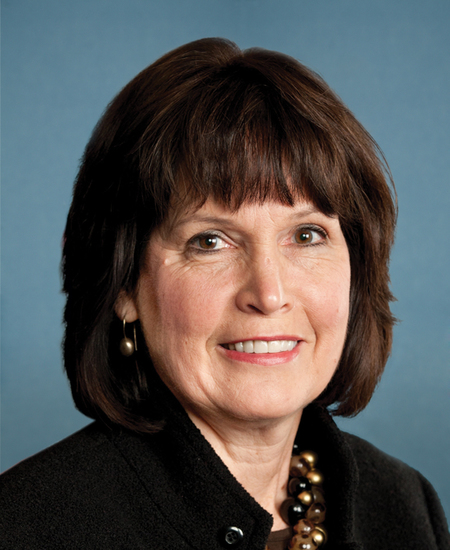
Rep. Betty McCollum
Sponsored bills
Maddy summaryHR 909, the Crime Victims Fund Stabilization Act of 2025, modifies how funds from the False Claims Act are deposited into the Crime Victims Fund. It specifies that from 2025 through 2029, certain False Claims Act proceeds (specifically those for qui tam plaintiff payments and government damage reimbursements) cannot be deposited into the fund. This change directly affects the composition of the Crime Victims Fund by excluding these specific revenue streams during the specified period. The bill does not create new benefits or alter victim services; it only adjusts fund allocation rules for existing False Claims Act revenues.
Maddy summaryHR 7014 designates Burma for temporary protected status (TPS) under U.S. immigration law, providing eligible Burmese nationals temporary legal status in the U.S. The bill establishes an 18-month TPS period beginning November 25, 2025, for Burmese nationals who have continuously resided in the U.S. since the bill's enactment, are admissible as immigrants (with limited exceptions), and register with Homeland Security. It also requires the Secretary of Homeland Security to grant prior consent for travel abroad for those with emergency circumstances and ensures returning travelers retain their TPS status. This policy change directly affects Burmese nationals meeting these specific criteria, offering temporary protection from deportation.
Maddy summaryHR 7004 prohibits federal elected officials, congressional staff, political appointees, and executive branch employees from trading prediction market contracts using material nonpublic information about government policy, actions, or political outcomes. It bans any purchase, sale, or exchange of these contracts when the individual possesses or could reasonably obtain such nonpublic information - defined as important investment details not available to the public. The bill directly affects government insiders who might otherwise trade on inside knowledge of upcoming decisions or election results through prediction markets. Key provisions clarify that covered transactions include any financial instrument tied to future government events, listed on platforms operating across state lines. This creates a specific insider trading rule for prediction markets, distinct from general securities laws.
Maddy summaryThis concurrent resolution (HCONRES 69) commemorates the 15th anniversary of the January 8, 2011, Tucson shooting that killed six people and injured 13, including former Congresswoman Gabby Giffords. It honors the victims, survivors, and Giffords - now a prominent advocate for gun violence prevention - and recognizes her leadership in promoting civility and reducing gun violence. The resolution also commends Tucson residents and first responders for their resilience and reaffirms Congress’s commitment to respectful dialogue and opposing political violence. As a ceremonial resolution, it does not create new laws or policies.
Maddy summaryHR 670, the Lady Liberty Act of 2025, sets a minimum annual refugee admission target of 125,000 people for fiscal years after 2026. It directly affects the U.S. refugee resettlement program by overriding the President’s usual authority to set admission numbers. The key provision amends the Immigration and Nationality Act to require that the number of refugees admitted each year cannot fall below 125,000, regardless of presidential determination. This creates a fixed minimum floor for refugee admissions starting in fiscal year 2027.
Maddy summaryHR 4611 (EACH Act of 2025) requires all federally funded health programs - including Medicaid, Medicare, military health plans, and the Indian Health Service - to cover abortion services without restrictions, repealing the Hyde Amendment's long-standing ban on federal funding for most abortions. This directly affects millions of people enrolled in these programs, particularly low-income women, women of color (including 25% of Black women and 22% of Hispanic women on Medicaid), and young people. The bill mandates coverage in all federally administered health plans and prohibits state or private insurers from restricting abortion coverage in health insurance. It aims to eliminate current federal and state barriers that deny abortion access to people who rely on government health programs.
Maddy summaryHCONRES 61 directs the President to withdraw U.S. military forces from hostilities against any terrorist organization designated by the president in the Western Hemisphere. This bill specifically applies to military operations involving U.S. armed forces in the region targeting such groups. The key provision requires the withdrawal unless Congress has passed a formal declaration of war or specific authorization for that military action. The resolution invokes Section 5(c) of the War Powers Resolution to compel this change in military deployment.
Maddy summaryHR 6818, the Part-Time Worker Bill of Rights Act, would expand rights for part-time workers by reducing eligibility requirements for family and medical leave from 12 months to 90 days of employment under the FMLA. The bill prohibits employers from discriminating against part-time workers based on hours worked, requiring equal treatment for benefits, promotions, and scheduling. It mandates that employers obtain written statements from employees about their desired work hours and prioritize offering available work hours to existing employees before hiring new external workers. The bill establishes enforcement mechanisms including civil penalties for violations and allows employees to file private lawsuits for damages, with the Secretary of Labor having investigative authority to ensure compliance. This legislation directly affects part-time workers and employers with more than 15 employees across both private and public sectors.
Maddy summaryThe Schedules That Work Act would require employers in retail, food service, hospitality, cleaning, and warehouse sectors to provide workers with 14 days' advance notice of their schedules and pay predictability wages for last-minute changes. It allows employees to request schedule changes related to caregiving responsibilities, health conditions, education, or other jobs, with employers required to engage in good-faith discussions about such requests. The bill prohibits retaliation against employees who request schedule changes and mandates written notice of schedule changes and predictability pay. It applies to employers with 15 or more employees in covered sectors, aiming to address widespread issues with unpredictable schedules that negatively impact workers' ability to care for family members, maintain housing stability, and access health care.