

Maddy summaryHR 4486, the Microplastics Safety Act, requires the FDA (within the Department of Health and Human Services) to study the health impacts of microplastics in food and water. The study must identify major exposure pathways and examine effects on children's health, the endocrine system, cancer, chronic illness, and reproductive health. The FDA must submit a report to Congress within one year of the bill's enactment, detailing the study's findings and recommending potential legislative or administrative actions. This bill does not impose new regulations or bans but mandates a federal study to inform future policy decisions.
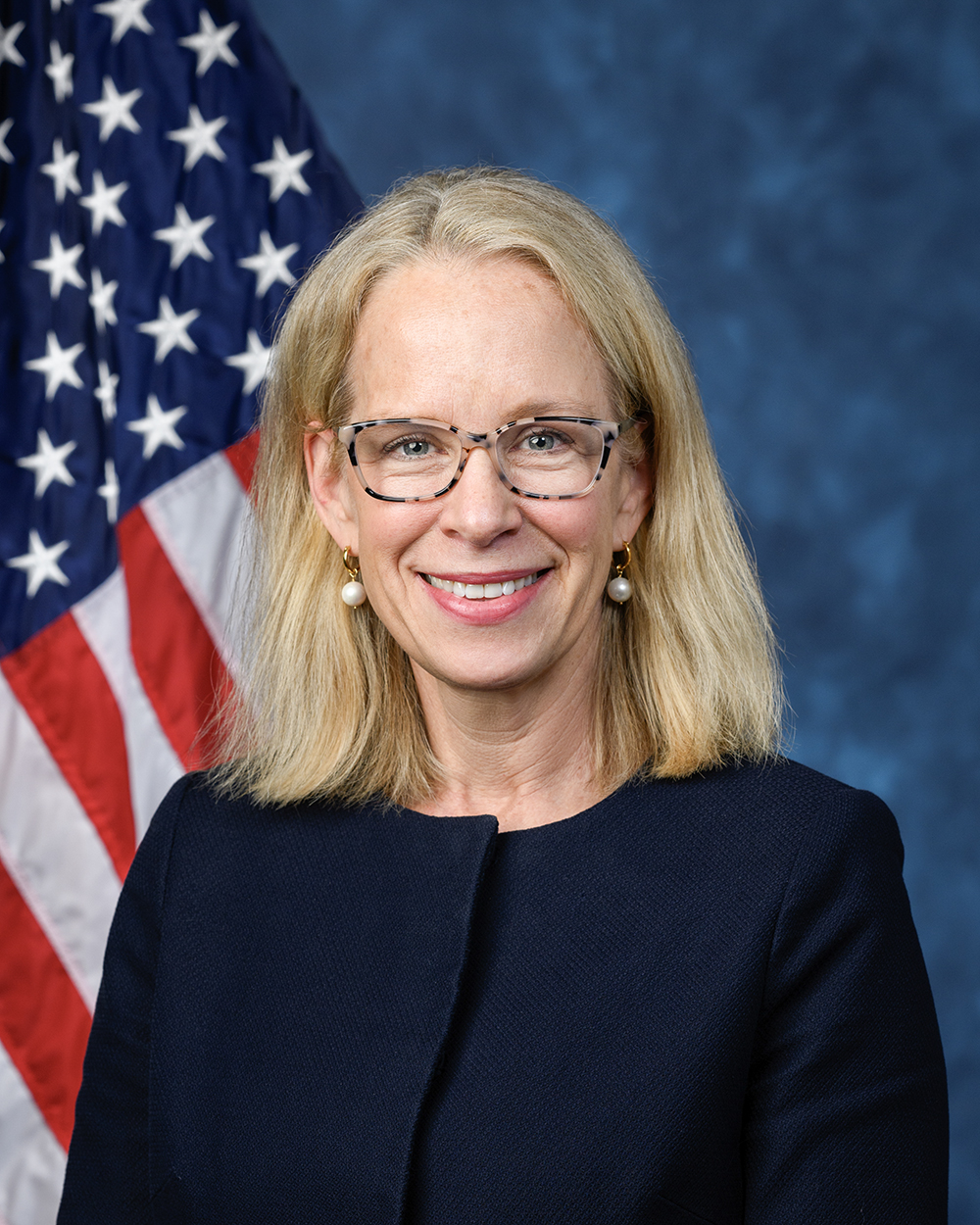
Rep. Kelly Morrison
Sponsored bills
Maddy summaryThis bill extends the FAST Program deadline in the Small Business Act from 2005 to 2030 and requires federal agencies to provide direct application assistance to small businesses seeking federal research grants (SBIR/STTR programs). It specifically mandates enhanced outreach efforts to increase participation from minority-serving institutions (as defined in the Higher Education Act) and Hispanic-serving institutions in these programs. The key provision requires agencies to modify existing policies within 90 days to include targeted outreach strategies for underrepresented institutions. This affects small businesses applying for research grants and institutions historically receiving fewer SBIR/STTR awards. The bill focuses on concrete procedural changes to improve access, not on new funding or outcome predictions.
Maddy summaryThis bill restricts donations to Presidential Libraries and Centers (organizations established to commemorate former presidents) by limiting who can contribute and how much they can give. It prohibits donations from foreign nationals, lobbyists, federal contractors, people seeking pardons, and others during a president's term and for two years after leaving office, with an annual aggregate limit of $10,000 per donor (adjusted for inflation). Libraries must report all donations over $200 quarterly, including donor details, and publish this information publicly. The law aims to increase transparency and prevent undue influence by restricting certain sources of funding for these institutions.
Maddy summaryThis bill establishes federal worker heat protection standards to prevent heat-related illness and injury. It requires employers to provide a workplace free from heat stress hazards, including access to cool water, scheduled rest breaks, shaded cooling areas, and training on heat illness symptoms. The Secretary of Labor must create these standards within one year, incorporating evidence-based practices like engineering controls (e.g., ventilation), administrative measures (e.g., adjusted schedules), and employer-paid personal protective equipment. The law directly affects all employers in high-heat work environments - such as construction, agriculture, and manufacturing - and strengthens whistleblower protections for workers reporting safety violations.
Maddy summaryHR 4382 authorizes the U.S. Mint to produce commemorative coins for the 2028 Los Angeles Olympics/Paralympics and 2034 Salt Lake City Winter Olympics/Paralympics. It specifies gold, silver, and half-dollar coin designs with defined mintage limits (e.g., up to 100,000 $5 gold coins for each event), all bearing inscriptions like "2028" or "2034" and standard coin features. A surcharge ($5-$50 per coin) is added to sales, with all funds directed to the respective Olympic committees to support event hosting and legacy programs like youth sports. The bill ensures no net cost to the government by requiring surcharge revenues to cover all design, production, and marketing expenses before funds are disbursed.
Maddy summaryHR 4329, the Building Civic Bridges Act, creates an Office of Civic Bridgebuilding within the Corporation for National and Community Service to support projects reducing community divisions. It establishes a 3-year pilot grant program funding nonprofits, community groups, and schools to run projects that foster respect across diverse communities, address unmet needs like health or safety concerns, and improve social cohesion. Grants require projects to use research-based approaches, engage polarized communities, ensure participant safety, and track outcomes using standardized criteria. The program is funded exclusively through existing donations (not new federal funds) and mandates consultation with diverse community leaders and researchers. The Office will also compile research on civic bridgebuilding best practices for public access.
Maddy summaryHRES 550 is a non-binding House resolution recognizing June 2025 as LGBTQIA+ Pride Month. It formally encourages all U.S. citizens to celebrate Pride Month to learn about LGBTQIA+ history, including the Stonewall Inn and Compton's Cafeteria uprisings. The resolution affirms that LGBTQIA+ rights are human rights and emphasizes the ongoing struggle for equality. It has no legal effect but serves as a symbolic statement of support for the LGBTQIA+ community and its history.
Maddy summaryThe No Secret Police Act of 2025 requires U.S. Immigration and Customs Enforcement (ICE) and other Department of Homeland Security officers working on border security or immigration enforcement to visibly display their official badges or uniforms and provide identification during detentions or arrests. It prohibits officers from wearing face coverings that conceal their face during these interactions. The bill also mandates that the Department report to Congress about tactical gear policies and research technology to improve badge visibility in different conditions like weather or lighting. These changes aim to increase transparency in immigration enforcement encounters.
Maddy summaryThe CONNECT for Health Act of 2025 expands Medicare telehealth coverage by removing geographic restrictions that limited where patients could receive care, expanding the types of health care providers who can offer telehealth services, and eliminating the requirement for an in-person visit before receiving telemental health services. The bill includes specific provisions to support telehealth use for Native American health facilities, rural health clinics, and Federally Qualified Health Centers. It requires the Centers for Medicare & Medicaid Services to collect and publish data on telehealth usage and impacts, and to develop resources to improve accessibility for people with disabilities and limited English proficiency. Program integrity measures are added to monitor telehealth billing practices and prevent fraud while maintaining coverage for telehealth services during public health emergencies.
Maddy summaryHR 4192, the Military PFAS Transparency Act of 2025, requires the Department of Defense to publicly report on its cleanup efforts for PFAS (toxic chemicals used in firefighting foam) at military installations. It mandates annual reports to Congress detailing site-specific funding, progress, and delays in PFAS remediation, plus a public online dashboard showing site-by-site spending, timelines, and community contact points. The bill also requires a remediation acceleration strategy prioritizing sites based on health risks and environmental impact. This directly affects military installations with PFAS contamination and the surrounding communities relying on affected water sources. The law focuses solely on increasing transparency and accountability in existing cleanup efforts, not on new funding or policy changes.