

Maddy summaryThis bill requires federal agencies to publish detailed early notices about new regulations on their websites within 7 days of receiving an agency rulemaking ID number. The notices must explain the problem the rule addresses, justify why it's necessary (including whether alternatives like market incentives were considered), and invite public input on cost-effective solutions. Agencies must also provide these notices to the Comptroller General, who will create a public database and submit annual compliance reports to Congress. The bill directly affects all federal agencies developing new regulations and aims to increase transparency and public engagement in the regulatory process.
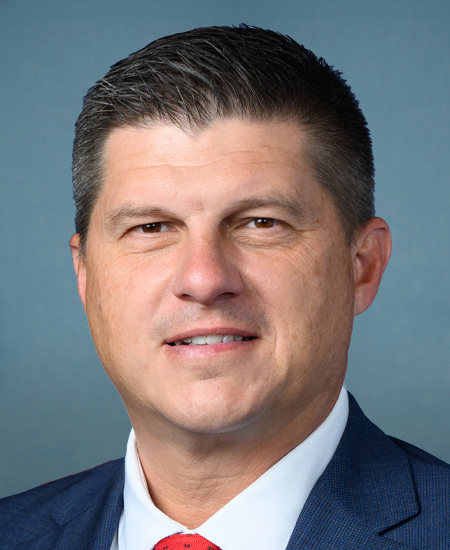
Rep. Brad Finstad
Sponsored bills
Maddy summaryHR 3195, the Superior National Forest Restoration Act, rescinds a 2023 land withdrawal order that restricted mining in Minnesota's Superior National Forest. The bill requires the Secretary of the Interior or Agriculture to complete environmental reviews for existing mining plans within 18 months and reissue canceled mining leases on their original terms without allowing legal challenges. This directly affects mining operations seeking to resume activities on forest lands previously restricted by the withdrawn order. The law aims to restore prior mining rights and expedite permitting processes for existing applications within the designated forest area.
Maddy summaryHR 615, the Protecting Access for Hunters and Anglers Act of 2023, prevents federal agencies from banning lead ammunition or tackle on public lands and waters managed for hunting or fishing, except in specific cases. The bill allows exceptions only if a state wildlife department confirms lead use is harming local wildlife, and the federal action aligns with state law or state agency approval. It directly affects hunters and anglers using federal lands and waters, ensuring they can continue using lead products unless a state verifies a local wildlife issue requiring a ban. The law requires federal agencies to justify any exception with state data and policy compliance in official notices.
Maddy summaryHR 8147 repeals the Corporate Transparency Act, which required certain businesses (typically those with more than 20 employees) to report beneficial ownership details to the Treasury Department. This bill eliminates the requirement for companies to disclose who ultimately owns or controls them, directly affecting business owners and financial institutions that previously submitted this information. The bill also makes minor technical changes to Title 31 of the U.S. Code to remove references to the repealed provisions. The repeal would end the existing financial transparency reporting obligation for covered entities.
Maddy summaryHRES 1170 prohibits U.S. House Members, Delegates, and Resident Commissioners from bringing or displaying any foreign nation's flag on the House floor during sessions, except for lapel pins or flags shown during speeches under House rules. The resolution applies to all flag sizes and is enforced by the House Sergeant-at-Arms. It directly affects House members' conduct during floor proceedings but allows limited exceptions for personal accessories and official speeches. This is a procedural rule change, not a substantive policy.
Maddy summaryThis bill temporarily allows E15 fuel (15% ethanol blend) to be sold year-round in eight Midwest states (Illinois, Iowa, Minnesota, Missouri, Nebraska, Ohio, South Dakota, Wisconsin) during a specific summer period. It requires E15 to meet the same Reid vapor pressure standards currently applied to E10 fuel (10% ethanol blend) from May 1 to September 15, 2024. This adjustment addresses a seasonal restriction that typically limits E15 sales during warmer months to prevent vapor emissions. The bill directly affects fuel retailers and consumers in those states by expanding E15 availability during summer.
Maddy summaryHJRES 130 is a congressional resolution seeking to block a Federal Railroad Administration (FRA) rule that would have required minimum train crew sizes for safety. It directly affects railroads and safety regulators by preventing the FRA's April 2024 rule (89 Fed. Reg. 25052) from taking effect. The bill uses a standard disapproval process under federal law to halt the rule without creating new requirements. This resolution does not change existing safety standards but stops the specific FRA proposal from becoming law. The measure targets the "Train Crew Size Safety Requirements" rule published on April 9, 2024.
Maddy summaryHR 8088, the Applicant Medical Reimbursement Act of 2024, requires the Secretary of Defense to reimburse military applicants up to $100 per person for co-pay costs they pay during medical appointments needed for the Military Entrance Processing Station (MEPS) process. This directly affects individuals applying to join the U.S. uniformed military services who incur out-of-pocket costs for required pre-enlistment medical exams. The key provision authorizes federal reimbursement for these specific co-pays, capping the amount at $100 per applicant. The bill does not change eligibility for military service or alter the MEPS requirements themselves.
Maddy summaryHR 8066, the Ammunition Supply Chain Act, requires the Secretary of the Army to submit a report to Congress within 180 days of enactment. The report must assess the U.S. supply chain for ammunition components like nitrocellulose and smokeless gunpowder, focusing on improving sourcing, avoiding single points of failure, managing global demand risks, and leveraging private sector capacity. This bill directly affects the Department of Defense and ammunition manufacturers by mandating a review of supply chain vulnerabilities. It is procedural in nature, establishing a reporting requirement without creating new regulations or funding.
Maddy summaryHR 5947 terminates specific U.S. waivers and licenses related to Iran, ending a 2023 waiver that allowed funds transfer from South Korea to Qatar. It prohibits the Treasury Department from reissuing similar waivers or licenses for the same purpose and blocks the President from granting Iran access to certain designated financial accounts established under prior laws. The bill directly affects U.S. foreign policy implementation by restricting how Treasury handles Iran-related financial transactions. It enacts concrete policy changes by ending existing authorizations and preventing future approvals for Iran to access specific accounts.