

Maddy summaryHRES 1265 is a symbolic resolution designating May 2024 as "Renewable Fuels Month" to recognize renewable fuels' role in reducing carbon emissions, lowering consumer fuel prices, supporting rural economies, and decreasing reliance on foreign energy sources. It highlights that renewable fuels like ethanol and biodiesel contribute to U.S. energy independence (displacing 525 million barrels of crude oil in 2023), support over 72,000 direct jobs in ethanol production, and reduce emissions by 44-52% compared to gasoline. The resolution does not create new laws or funding but formally acknowledges these benefits through congressional recognition. It is non-binding and focuses solely on raising awareness of the renewable fuels industry's economic and environmental contributions.
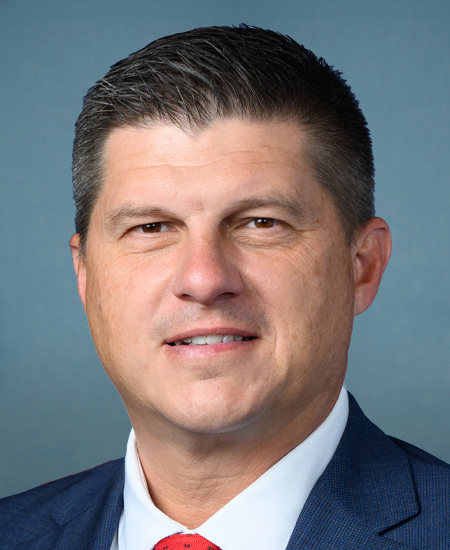
Rep. Brad Finstad
Sponsored bills
Maddy summaryThis resolution (HRES 1272) calls on the Biden Administration to seek symbolic censure of Iran at the International Atomic Energy Agency (IAEA) for violating nuclear nonproliferation agreements and to refer Iran's case to the United Nations Security Council. It urges diplomatic action to prevent Iran from acquiring nuclear weapons, citing Iran's enrichment of uranium to 60% purity, obstruction of IAEA inspections, and development of advanced centrifuges. The resolution does not create new law but formally requests specific international diplomatic steps from the U.S. government.
Maddy summaryHR 5403, the CBDC Anti-Surveillance State Act, prohibits the Federal Reserve from issuing or facilitating central bank digital currency (CBDC) directly or indirectly to individuals through financial institutions. It specifically bans Federal Reserve banks from offering digital products to individuals, maintaining individual accounts, or using CBDC for monetary policy implementation. The bill also clarifies that its restrictions do not apply to existing physical cash or private, permissionless digital payment systems. This bill directly affects the Federal Reserve's ability to develop or deploy a government-run digital dollar. The law aims to prevent the Federal Reserve from creating a digital currency that could enable transaction tracking or government oversight of personal financial activity.
Maddy summaryHJRES 145 is a joint resolution seeking congressional disapproval of a specific FDA rule regarding medical tests developed in laboratories (LDTs). It targets the FDA's May 2024 rule (89 Fed. Reg. 37286) that would have regulated these tests as medical devices. The resolution uses the Congressional Review Act (Chapter 8 of Title 5, U.S. Code) to block the rule from taking effect, stating it "shall have no force or effect." This resolution directly affects the FDA's regulatory authority over laboratory-developed medical tests but does not change existing medical device laws.
Maddy summaryThis resolution (HRES 1252) honors emergency medical services (EMS) personnel across the United States for their critical work. It recognizes their 24/7 service in rural and underserved areas, their role in stabilizing and transporting patients during emergencies, and their dedication to public health care. The resolution specifically expresses appreciation for EMS workers during Emergency Medical Services Week (May 19-25, 2024). As a ceremonial resolution, it contains no new policies, funding, or legal requirements - only symbolic recognition of their contributions.
Maddy summaryHR 8519 prohibits federal departments and agencies from using government funds for three specific research programs: disinformation research grants, Secure and Trustworthy Cyberspace grants, and the National Science Foundation's Track F program focused on "Trust and Authenticity in Communications Systems." The bill directly affects federal agencies that administer research grants, preventing them from obligating or spending funds on these designated initiatives. It does not alter existing laws or regulations but restricts future funding allocations for these particular research areas. This is a procedural funding restriction, not a policy change affecting the public.
Maddy summaryHR 895, the Combating Organized Retail Crime Act of 2023, expands federal law to better prosecute organized retail theft by amending sections 2314 and 2315 of Title 18. It clarifies that crimes involving stolen goods valued at $5,000 or more over 12 months - including retail theft - can be prosecuted under existing federal statutes, and broadens definitions to include goods taken via "any facility of interstate or foreign commerce." The bill also creates a new Organized Retail Crime Coordination Center within Homeland Security, requiring it to coordinate federal, state, and local law enforcement efforts, share threat information with retailers, and produce annual public reports on trends. This directly affects law enforcement agencies, retailers, and criminal justice systems by standardizing prosecution thresholds and enhancing interagency collaboration.
Maddy summaryThis bill requires the President to provide Congress with a 15-day written notice before pausing, delaying, or suspending U.S. arms shipments to Israel, including detailed justification and impact analysis. It establishes strict congressional review periods: 15 days for initial review, plus additional 10-12 day windows if Congress introduces a disapproval resolution, effectively giving lawmakers significant power to block such pauses. The bill directly affects the President and the White House by restricting unilateral decisions on military aid to Israel, specifically targeting delays like the May 2024 pause on bomb shipments. Key provisions define "covered defense articles" as weapons under existing export laws and mandate transparency about funding, end users, and potential impacts on Israel’s military edge.
Maddy summaryThis bill requires the U.S. Department of Defense and State Department to immediately deliver all previously approved military equipment and services to Israel within 15 days, reversing any pauses on arms transfers. It prohibits using federal funds to withhold, halt, or cancel defense article deliveries to Israel and mandates that unobligated security assistance funds for Israel must be spent by the end of 30 days. The bill also requires monthly reports to Congress detailing all security assistance provided to Israel since October 7, 2023, including specific items delivered and funding sources. The law directly affects U.S. agencies responsible for military aid and Israel as the recipient of the security assistance.
Maddy summaryThis bill amends the Law Enforcement Officers Safety Act (LEOSA) to expand where current and retired law enforcement officers can carry concealed firearms. It specifically allows qualified officers to carry in Federal facilities like post offices and courthouses (previously restricted), clarifies they may carry on public property and transportation, and updates firearms training requirements to accept certification from any state-certified instructor. The key change requires officers to meet recent firearms training standards (using flexible state-based criteria), rather than relying solely on their former agency's standards. This directly affects retired officers seeking to carry in more public spaces and federal buildings without needing prior agency certification.