

Maddy summaryHR 9950, the "Miracle on Ice Congressional Gold Medal Act," authorizes three gold medals to be awarded to the members of the 1980 U.S. Olympic men's ice hockey team for their historic victory over the Soviet Union during the Winter Olympics. The medals, designed by the Treasury Secretary, will be presented by Congress to honor the team's achievement, which revitalized American morale during the Cold War. One medal will be displayed at the Lake Placid Olympic Center, one at the USA Hockey Hall of Fame in Eveleth, Minnesota, and one at the U.S. Olympic Museum in Colorado Springs. The bill also permits the sale of bronze duplicates to cover production costs. This is a ceremonial honor, not a policy change, directly recognizing the team members and their legacy.
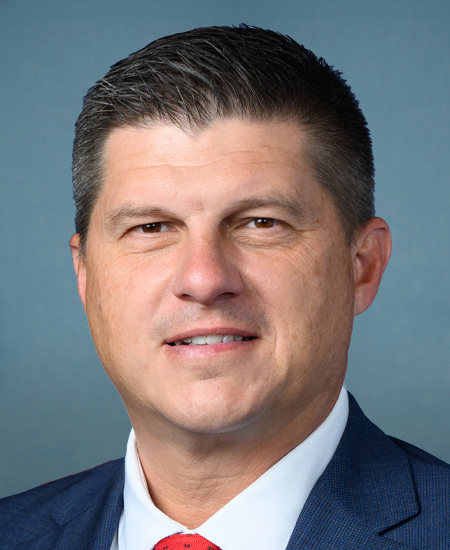
Rep. Brad Finstad
Sponsored bills
Maddy summaryThis bill requires Department of Defense contractors to disclose detailed sourcing information for rare earth elements and strategic materials used in permanent magnets and advanced batteries. It expands existing disclosure rules to cover battery components, mandating contractors report where materials like lithium, nickel, cobalt, manganese, and graphite are mined, refined, and manufactured. The changes apply specifically to Defense contracts involving these critical materials, aiming to increase transparency in supply chains. This modifies Section 857 of the 2023 National Defense Authorization Act.
Maddy summaryThis bill amends the Clean Air Act to modify ethanol waiver processes and fuel volatility standards. It adds a new provision allowing fuel to enter commerce if it meets Reid Vapor Pressure requirements through similarity to certified vehicles or existing waivers, and adjusts vapor pressure limits from 10% to 10-15% in several sections. Small refineries that retired credits for 2016-2018 compliance years may now have those credits returned or applied to future years if their petitions remained pending as of December 1, 2022. The changes directly affect fuel retailers, ethanol producers, and small refineries by altering compliance pathways for fuel standards and credit management under the renewable fuel program.
Maddy summaryHRES 1517 is a symbolic resolution expressing the U.S. House of Representatives' support for designating October 7-12, 2024, as "National 4-H Week." It does not create new laws or policies but formally recognizes 4-H, the nation’s largest youth development program, which engages nearly 6 million young people through hands-on learning in health, science, and leadership. The resolution highlights 4-H’s role in developing youth leadership via its network of volunteers, land-grant universities, and the Department of Agriculture. It has no direct impact on any specific group or program, as it only serves as a formal acknowledgment of the organization’s work.
Maddy summaryHR 1657, the Lake Winnibigoshish Land Exchange Act of 2024, authorizes a direct land swap between Big Winnie Land and Timber, LLC (BWLT) and the U.S. government. It would transfer approximately 13.8 acres of federal land in Itasca County, Minnesota, to BWLT in exchange for 38 acres of private land owned by BWLT, which would then be added to the Chippewa National Forest. The exchange requires appraisals to ensure equal value, with a cash payment adjustment if needed - though the government waives payment if the private land is valued higher. The Secretary of Agriculture must complete the transfer within 180 days of BWLT’s offer, following specific appraisal standards and finalizing legal descriptions for public review.
Maddy summaryHR 3433, the "Give Kids a Chance Act of 2024," requires pharmaceutical companies developing certain cancer drugs to conduct pediatric studies if the drugs target molecular pathways relevant to childhood cancers. It directly affects drug manufacturers submitting new applications for cancer treatments, particularly those combining previously approved adult cancer drugs or containing a single new active ingredient. The bill amends FDA regulations to mandate these pediatric investigations only when specific conditions are met, such as when a drug's molecular target is relevant to pediatric cancer growth. The FDA must issue implementing guidance within 12 months, and reports to Congress will track implementation and effectiveness starting 2 years after enactment.
Maddy summaryHJRES 136 is a resolution seeking to block an Environmental Protection Agency (EPA) rule that would have set new emissions standards for light and medium-duty vehicles sold in 2027 and later model years. The EPA rule, published in April 2024, aimed to require vehicle manufacturers to meet stricter pollution limits for these vehicles. If passed, this resolution would cancel the rule, preventing the EPA from enforcing the new standards. It uses a congressional process that allows Congress to reject agency rules with a simple majority vote.
Maddy summaryHR 9745, the Lifesaving Gear for Police Act of 2024, removes barriers for state and local law enforcement agencies to access existing federal equipment. It prohibits federal agencies from enforcing any regulations (since May 15, 2015) that limit the transfer of Department of Defense or other federal equipment to police departments, unless Congress passes those rules into law. The bill also requires agencies to return or replace equipment recalled since 2015 under those regulations, provided the agency requests it, meets existing eligibility rules, and the equipment is available. This directly affects police departments that previously had equipment seized or denied under the blocked regulations. The law focuses on restoring access to current equipment-sharing programs, not creating new funding or gear.
Maddy summaryHJRES 144 is a congressional disapproval resolution targeting a specific rule issued by the Bureau of Alcohol, Tobacco, Firearms, and Explosives (ATF) on April 19, 2024. The resolution seeks to block the ATF's rule that redefined the term "engaged in the business" for firearm dealers, which would have affected how federal licensing requirements apply to certain sellers. If enacted, this resolution would nullify the rule, preventing it from taking effect under procedures in Title 5 of the U.S. Code. The bill directly impacts firearm dealers operating under the current regulatory framework and the ATF's enforcement authority.
Maddy summaryHR 9699, the Pay Our Troops Act, ensures military personnel and key support staff continue receiving pay during government funding gaps in fiscal year 2025. It appropriates funds to cover pay and allowances for active-duty troops, Department of Defense civilians, and qualifying contractors supporting military operations, if regular appropriations aren't enacted. The funding remains in effect until the earliest of: a new appropriations law, a funding resolution without such funding, or January 1, 2026. This bill does not change pay rates or create new policies - it guarantees existing pay continuity during budget transitions.