

Maddy summaryHR 1094, the Amateur Radio Emergency Preparedness Act, prevents private restrictions (such as those in homeowners associations) from blocking amateur radio operators from installing and maintaining antennas for emergency communications. The bill directly affects over 770,000 licensed amateur radio operators in the U.S. who face such restrictions on their residential property. Key provisions include overriding unreasonable restrictions, requiring reasonable safety and building code compliance for allowed rules, setting a 45-day approval period for antenna installations (with deemed approval if not acted on), and exempting small antennas (under 1 meter, flagpoles ≤43 feet, or minimal wire antennas) from prior approval. This ensures amateur radio operators can quickly establish emergency communication systems without unnecessary delays or costs during crises.
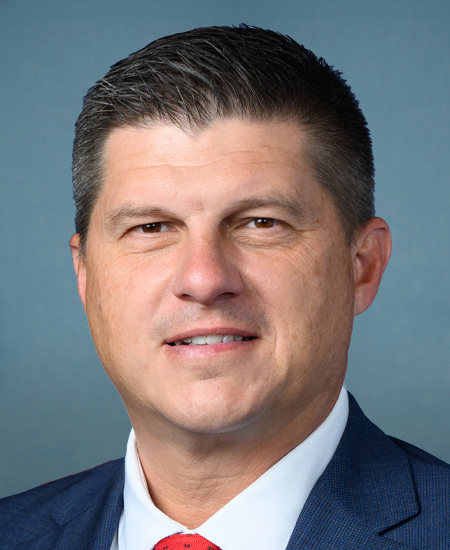
Rep. Brad Finstad
Sponsored bills
Maddy summaryThe Ending Green Giveaways Act (HR 1066) repeals a Clean Air Act provision (Section 138) that authorized federal funding for environmental and climate justice initiatives. It also cancels any unspent funds previously allocated for these programs. This would terminate the funding stream, preventing future allocations for community-based environmental projects. As a result, the program would end without new resources for communities addressing environmental challenges.
Maddy summaryThis bill rescinds a 2023 federal withdrawal of lands in Minnesota's Superior National Forest, allowing mining operations to resume. It requires the Secretary to complete environmental reviews for mine plans within 18 months (or 6 months for supplements) and reissues canceled mineral leases with 20-year terms plus automatic 10-year renewals. The bill directly affects mining companies operating in the forest, particularly those with canceled leases or rejected applications since 2021. It mandates issuance of new permits for surface use related to mining and prohibits judicial review of these reissued leases.
Fair Access to Banking Act This bill places restrictions on certain banks, credit unions, and payment card networks if they refuse to do business with a person who complies with the law. Restrictions include prohibiting the use of electronic funds transfer systems and lending programs, termination of an institution's depository insurance, and specified civil penalties. Banks and other specified financial institutions are allowed to deny financial services to a person only if the denial is justified by a documented failure of that person to meet quantitative, impartial, risk-based standards established in advance by the institution. This justification may not be based upon reputational risks to the institution. The bill establishes the right for a person to bring a civil action for a violation of this bill.
Maddy summaryHR 974, the Small Business Regulatory Reduction Act, requires the Small Business Administration (SBA) to ensure that small businesses face zero costs from SBA rulemaking starting in fiscal year 2026. This means the SBA must eliminate all regulatory costs for small businesses related to its own rule changes, including new rules, modifications, or repeals. The bill also mandates the SBA to annually report to Congress on federal rules from other agencies that impact small businesses, broken down by agency. Crucially, the bill specifies no new funding will be provided to implement these requirements.
Maddy summaryHR 925, the "Dismantle DEI Act of 2025," would eliminate diversity, equity, and inclusion (DEI) programs across federal government operations. The bill requires federal agencies to close DEI offices, rescind related executive orders, and prohibit the use of federal funds for DEI training, offices, or initiatives. It defines "prohibited diversity, equity, or inclusion practice" as any activity that discriminates based on race, ethnicity, religion, biological sex, or national origin, or requires employees to complete training asserting that certain groups are inherently superior or inferior. The legislation also prohibits requiring employees to sign statements about race, ethnicity, or gender, and establishes private lawsuits for violations with potential damages of $1,000 per violation per day. This bill would directly affect federal agencies, contractors, grantees, and advisory committees receiving federal funding.
Medicare Patient Access and Practice Stabilization Act of 2025 This bill increases certain payment adjustments under the Medicare physician fee schedule for services furnished between April 1, 2025, and January 1, 2026.
Maddy summaryHR 833 creates a federal tax credit for individuals and corporations that contribute to scholarship granting organizations (SGOs) providing scholarships for elementary and secondary education. The credit allows taxpayers to deduct up to 10% of their adjusted gross income or $5,000 (whichever is less) for contributions to SGOs serving students from households with income up to 300% of the area median income. The bill establishes a $10 billion annual cap on the tax credit program, requires SGOs to verify student eligibility and maintain separate accounts, and prohibits government control over SGOs or private schools. It ensures scholarships can be used at public, private, or religious schools without discrimination based on religious character. The tax credit would be available for contributions made after December 31, 2025, with annual volume cap increases based on usage.
Maddy summaryHCONRES 4 is a symbolic resolution expressing Congress's support for tax-exempt fraternal benefit societies (like mutual aid organizations). It recognizes these groups, which have over 7 million members nationwide, as historically and currently providing critical community benefits - including life/health insurance, charitable work, and volunteer services - valued at over $3.8 billion annually. The resolution affirms that their tax-exempt status under Section 501(c)(8) of the Internal Revenue Code remains beneficial and should continue to be promoted. This is a non-binding expression of congressional sentiment, not a policy change.
Maddy summaryHR 797, the Ultrasounds Save Lives Act of 2025, requires abortion providers to perform an ultrasound before an abortion (except in medical emergencies) and share the results with the patient. It mandates a specific informed consent form detailing the fetus's gestational age, medical risks, developmental stage (including heartbeat and organ development), and provider penalties for non-compliance. Violations trigger civil penalties of $100,000-$250,000 per incident, plus private lawsuits allowing patients to seek triple the abortion cost in damages. The law applies to licensed medical providers and those legally authorized to perform abortions, with exceptions only when ultrasound poses a direct risk to the patient's life or major bodily function.