

Maddy summaryHR 1109, the Litigation Transparency Act of 2025, requires parties and their lawyers in civil lawsuits to disclose to the court and other parties the identity of any person or group that could receive payment if the case succeeds (like investors or lenders), and to provide copies of related agreements. Exceptions apply for simple loan repayments (with interest limits) or attorney fee reimbursements. Disclosures must be made within 10 days of signing such agreements or when filing the case, and must be updated if inaccurate. This applies to all civil cases filed after the law takes effect, aiming to increase transparency in litigation funding arrangements.
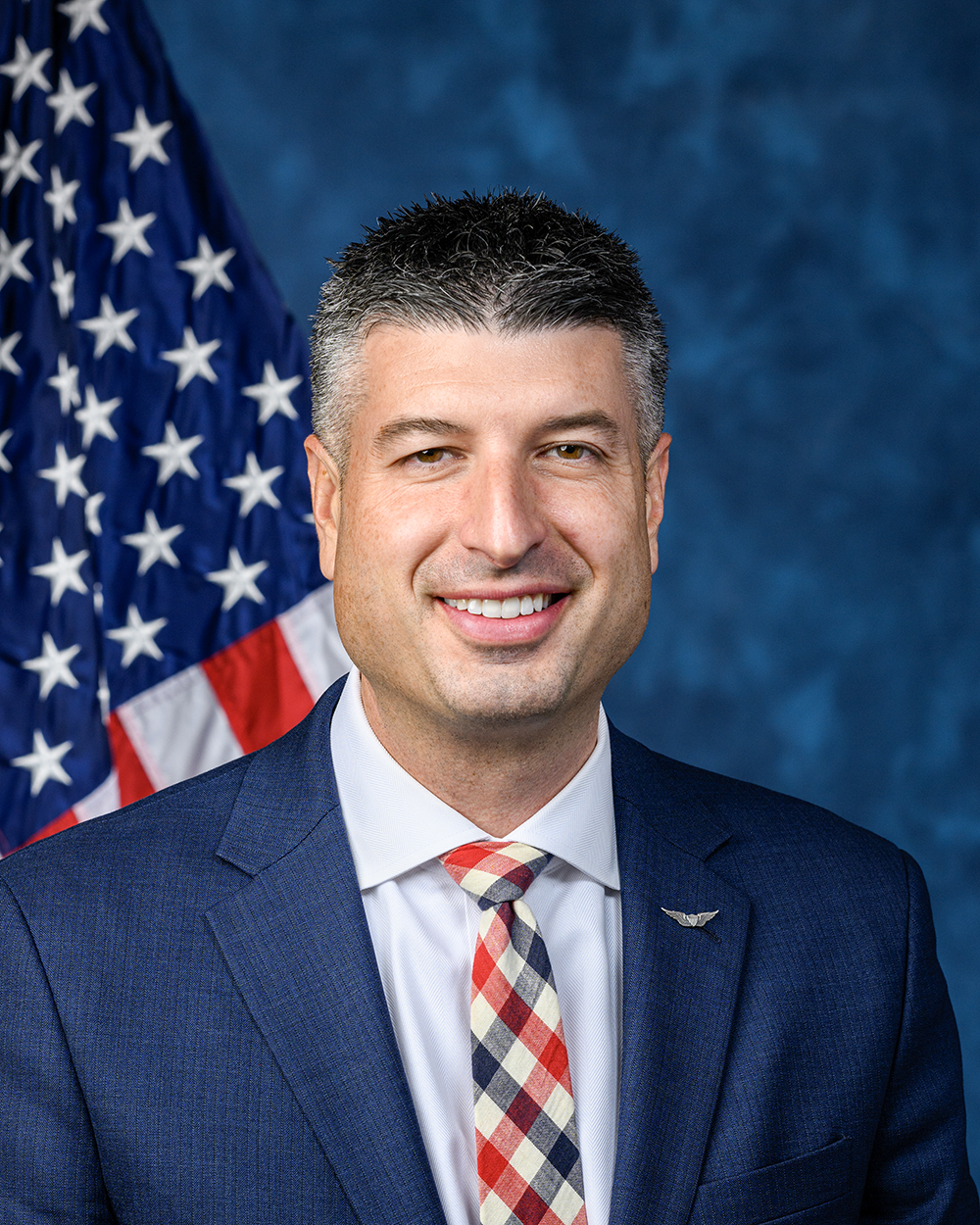
Rep. Tom Barrett
Sponsored bills
Maddy summaryHR 5992, the "Stuck On Hold Act," requires the Department of Veterans Affairs (VA) to improve wait times for veterans calling its standard customer service phone lines. Within one year of enactment, the VA must implement an automated system that tells callers their expected wait time and offers a callback if the wait exceeds 10 minutes. The bill also directs the VA Secretary to issue guidance aimed at reducing the average call wait time to 10 minutes or less. This directly affects veterans calling VA service lines (excluding the 38 U.S.C. §1720F(h) hotline and emergency department lines).
Maddy summaryThe National Cemetery Access Act (HR 5942) requires national cemeteries managed by the Department of Defense, the Department of Veterans Affairs, or the National Park Service to be open to the public on all federal holidays specified in 5 U.S.C. § 6103(a), such as New Year's Day and Independence Day. This directly affects veterans' families and the public who visit these sites on those holidays, ensuring consistent access without closures. The bill mandates standard opening hours on designated federal holidays but does not change the list of holidays or create new benefits.
Maddy summaryThis resolution (HRES 869) commemorates the 50th anniversary of the November 10, 1975, sinking of the Great Lakes freighter S.S. Edmund Fitzgerald, which resulted in the loss of all 29 crew members. It honors the memory of the 29 crew members who died in the tragedy and recognizes the enduring contributions of Great Lakes shipping to the U.S. economy and cultural heritage. The resolution also acknowledges efforts by historians, museums, and communities to preserve the ship's legacy and promote maritime education. As a commemorative resolution, it has no binding policy impact and serves solely to mark this historical event.
Maddy summaryHRES 864 is a ceremonial resolution honoring U.S. veterans on Veterans Day 2025. It does not create new laws or policies but formally recognizes veterans' service and sacrifice, calling on all Americans to observe Veterans Day. The resolution references historical context about Veterans Day's origins (from Armistice Day to honoring all veterans) but contains no concrete policy changes. It directly addresses the general public, urging them to participate in the observance. As a non-binding resolution, it affects no specific individuals or groups through legislative action.
Maddy summaryHRES 855 is a non-binding House resolution expressing support for National Adoption Day (November 22, 2025) and National Adoption Month (November). It promotes awareness about children in foster care awaiting adoption - highlighting that 49,994 U.S. children were waiting for adoptive families in 2023 - and encourages the public to consider adoption. The resolution recognizes that every child deserves a permanent, loving family and urges Americans to support this goal throughout November and the year. As a symbolic gesture, it does not create new laws or policies.
Maddy summaryThe FRAUD Act of 2025 requires the Department of Veterans Affairs (VA) to implement an information technology system to detect fraud, waste, and abuse in healthcare claims submitted under the Veterans Community Care Program. This system must continuously monitor claims from healthcare providers (including those outside the Community Care Network), analyze historical and real-time data to identify fraudulent patterns, and perform post-payment reviews to flag unnecessary costs. The VA must fund this system using existing franchise funds and submit annual reports to Congress on its effectiveness and savings, with the requirement ending seven years after the law's enactment. The bill directly affects VA claims processing, healthcare providers submitting claims, and veterans whose benefits are protected from fraudulent claims.
Maddy summaryThis bill, HR 5789 (the Donald J. Trump Congressional Gold Medal Act), authorizes Congress to award a gold medal to former President Donald J. Trump. It recognizes his "extraordinary peacemaking efforts" as described in the bill's findings, including a fictional 2025 Israel-Hamas peace agreement and other alleged diplomatic achievements. The key provision directs the Treasury Secretary to design and strike the medal, with bronze duplicates available for sale to cover costs. The bill does not create new laws or affect any policies; it is a ceremonial honor for Trump, with no direct impact on constituents or legislation.
Maddy summaryThe PEACE Act of 2025 requires the U.S. Treasury to impose financial restrictions on foreign banks that provide significant services to Russian energy entities, including Gazprom, Rosneft, and Lukoil, or other entities designated under existing sanctions. It mandates Treasury to block U.S. correspondent accounts for such institutions within 180 days of enactment, with civil penalties up to $377,700 per violation or criminal penalties for intentional violations. The law also requires Treasury to determine within 90 days whether the specified Russian energy companies fall under the sanctions scope. The bill terminates automatically if Russia ceases destabilizing actions against Ukraine or after 5 years from enactment.
Maddy summaryThis bill would require all states to recognize valid concealed carry permits issued by other states, allowing permit holders to carry concealed handguns (excluding machine guns) in any state that either issues such permits or doesn't prohibit concealed carry. It directly affects law-abiding gun owners with valid permits from their home state, ensuring they can carry in states with similar permit systems or no prohibitions. Key provisions include treating valid permit documents as proof of legal carry (reducing officer stops), shifting the burden of proof to prosecutors if challenged, and allowing civil lawsuits for violations with attorney's fee awards. The bill does not override state laws restricting firearms on private property or government land, nor does it affect federal gun restrictions like those in section 922(q).