This resolution extends collective bargaining rights prescribed in the Congressional Accountability Act of 1995 to employees of the House of Representatives.
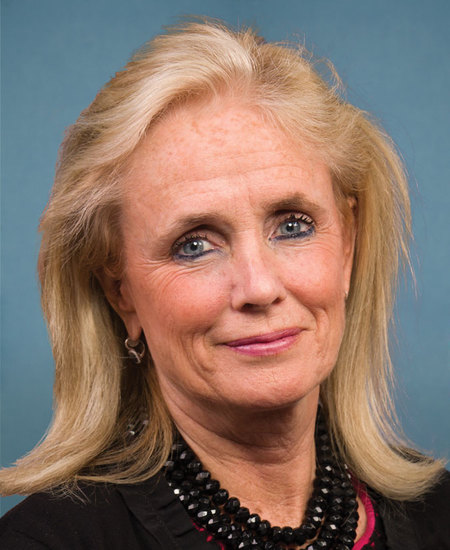
Rep. Debbie Dingell
Sponsored bills
First Rhode Island Regiment Congressional Gold Medal Act This bill provides for the award of a single Congressional Gold Medal to the First Rhode Island Regiment, collectively, in recognition of their dedicated service during the Revolutionary War.
This joint resolution honors the contributions of school counselors to the success of students in elementary and secondary schools. The resolution encourages the observation of National School Counseling Week with ceremonies and activities that promote awareness of the crucial role school counselors play in preparing students for fulfilling lives as contributing members of society.
Maddy summaryHRES 910 is a non-binding resolution expressing support for designating February 4, 2022, as "National Cancer Prevention Day." It does not create new laws or policies but formally recognizes the importance of cancer prevention efforts. The resolution cites cancer statistics (e.g., nearly 1 in 4 U.S. deaths) and emphasizes raising awareness about reducing cancer risks. It has no direct impact on any individuals or groups, as it solely serves to acknowledge ongoing prevention work and the disease's societal impact. This type of resolution is purely symbolic and commemorative.
Stop the Wait Act of 2022 This bill allows individuals with disabilities to begin receiving Social Security Disability Insurance (SSDI) benefits in the month they become eligible for the benefits. It also allows these individuals to immediately enroll in Medicare if they cannot afford minimum essential coverage. (Under current law, an individual must generally wait 5 months after the onset of disability to begin receiving SSDI benefits and an additional 24 months to become eligible for Medicare.)
This resolution expresses support for the goals and ideals of Endometriosis Awareness Month. Endometriosis is a painful condition in which the tissue that normally lines the inside of the uterus grows outside the uterus.
Leading Infrastructure For Tomorrow’s America Act or the LIFT America Act This bill establishes several programs and incentives to modernize the nation's communications, drinking water, energy, transportation, health care, and other related infrastructure. For example, the bill provides incentives to make broadband internet more accessible and affordable. It also establishes grants to implement next generation 9-1-1 services. In addition, it supports drinking water programs, including the drinking water state revolving fund program. Further, it provides grants to treat perfluoroalkyl or polyfluoroalkyl substances (commonly referred to as PFAS) in drinking water and to replace lead service lines. The bill establishes a variety of programs to support clean energy infrastructure and address climate change, including efforts to (1) modernize the electric grid and make it more resilient, efficient, and secure; (2) increase energy efficiency in buildings; and (3) support renewable energy infrastructure. Further, it provides incentives for vehicle infrastructure, such as incentives to develop infrastructure for electric vehicles and grants to reduce air pollution at ports by electrifying port infrastructure. Additionally, the bill establishes grants and programs for health care infrastructure, including by providing support for the Centers for Disease Control and Prevention, laboratories, and state, local, tribal, and territorial health departments. Finally, the bill reauthorizes grant programs to remediate brownfield sites (i.e., sites contaminated with hazardous substances) through FY2026.

Comprehensive Resources for Entrepreneurs in the Arts to Transform the Economy Act of 2022 or the CREATE Act of 2022 This bill expands financial assistance for, and establishes measures to support, the creative economy and art entrepreneurs. Specifically, the bill requires (1) the Small Business Administration to develop loan criteria, evaluation procedures, and technical assistance programs for small business concerns that are owned by artists and support the creative economy; and (2) the Department of Commerce to ensure that traditional economic development tools, such as business incubators and grant programs, support the arts industry and creative economy.
Masks for All Act of 2022 This bill directs the Federal Emergency Management Agency (FEMA) to manufacture and distribute N-95 respirator masks to every individual in the United States and to provide N-95 masks to all individuals working in health care settings in the United States that are experiencing a shortage of such masks. FEMA must provide the masks at no cost to individuals and deliver them, to the greatest extent possible, using the U.S. Postal Service. Additionally, FEMA shall designate mask pickup sites in each community and shall provide masks to each site, allocated according to population; consider new designs for masks to improve comfort, fit, and size options; and submit to Congress a strategic plan that includes monthly, measurable targets to eliminate shortages and increase domestic production of N-95 masks and to fulfill all other requirements of this bill. The President shall make use of any and all available authorities (including emergency authorities) at the disposal of the federal government to procure and domestically manufacture N-95 masks and support the domestic manufacturing of N-95 masks.
Safe Equitable Campus Resources and Education Act of 2022 This bill requires the annual campus security report provided by institutions of higher education to current and prospective students and employees to address the needs of individuals with disabilities. Among other requirements, the report and its related materials must (1) be made available free of charge, in a timely manner, and in accessible formats to individuals with disabilities; (2) include current campus policies that ensure that their needs are included in emergency response and evacuation procedures; and (3) include an assurance that campus security personnel and others receive training about working with these individuals.